
How to Care for Ladyfinger Cactus
Grow easy Ladyfinger Cactus with bright direct sun, sparse watering, and gritty soil for tidy clustering gold-spined fingers.
Read the full Ladyfinger Cactus encyclopedia entry →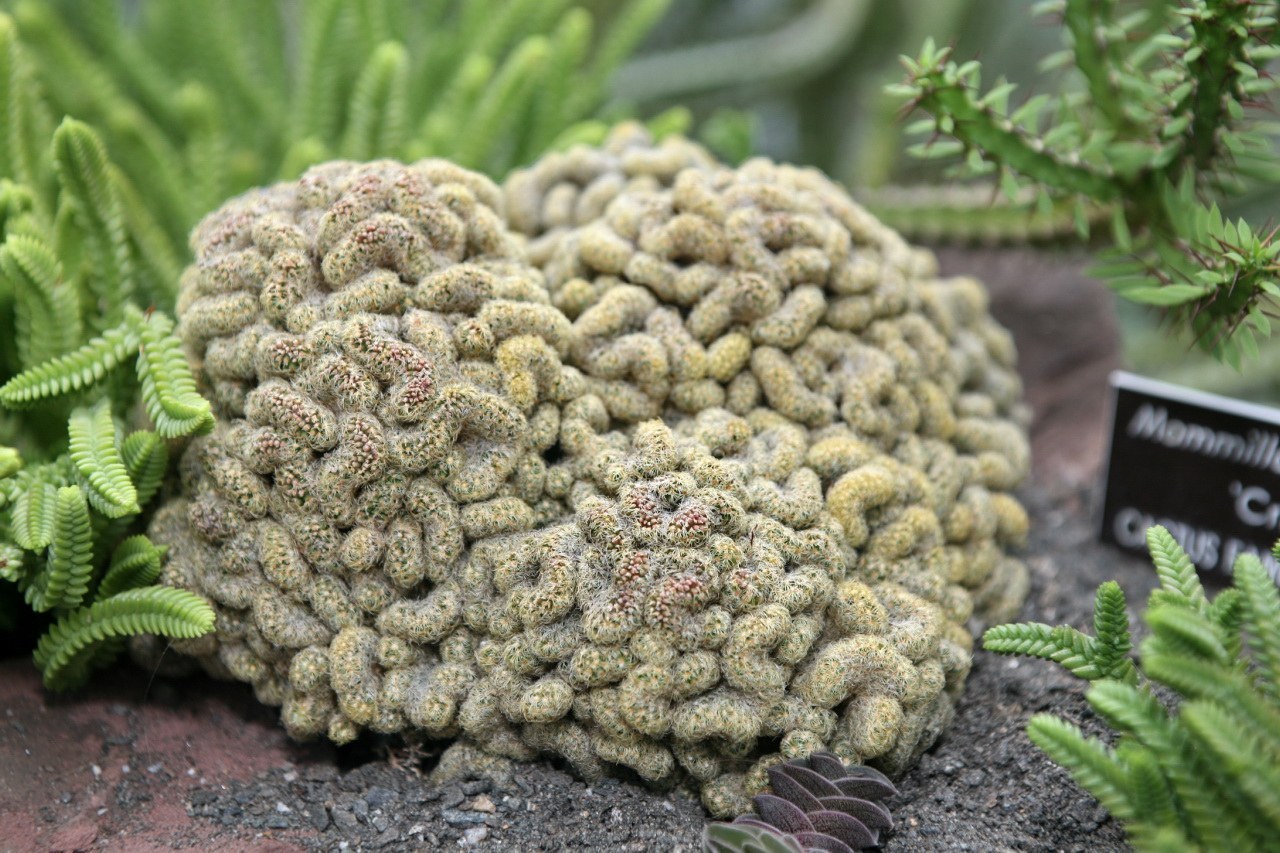
The Ladyfinger Cactus (Mammillaria elongata) is a beginner-friendly clustering cactus that forms dense colonies of slender, upright or sprawling stems covered in neat rosettes of golden spines. Its tidy, textured form and easygoing nature make it a favorite low-maintenance succulent.
Light
Give it bright light with several hours of direct sun. A south- or east-facing window is ideal indoors, and full sun is fine outdoors once the plant is acclimated. Strong light keeps the stems compact and the spines densely golden; too little light causes pale, stretched, leaning growth. If moving it into stronger sun, increase exposure gradually to avoid scorching.
Water
Water sparingly and always let the soil dry out completely between waterings. During active growth in spring and summer, a thorough soak every couple of weeks is usually enough. In autumn and winter, cut back drastically to once a month or less. Overwatering is the fastest way to kill this cactus, so err on the dry side and empty any saucer promptly.
Soil & Potting
Use a fast-draining cactus or succulent mix, ideally amended with extra pumice, perlite, or coarse sand so water rushes through. A pot with drainage holes is essential; terracotta helps wick away excess moisture. The mix should feel gritty and open rather than dense or peaty.
Humidity & Temperature
This cactus prefers warm, dry air and ordinary household humidity suits it perfectly. It grows best between 65 and 80 degrees Fahrenheit and appreciates a cooler, drier winter rest around 50 to 55 degrees, which encourages spring flowering. Protect it from frost and from cold, damp conditions.
Feeding
Feed lightly during the growing season only. A diluted low-nitrogen cactus fertilizer applied once a month from spring through late summer is plenty. Do not feed in autumn or winter while the plant is resting. Over-fertilizing produces soft, weak growth.
Propagation
Mammillaria elongata propagates very easily from offsets. Gently twist or cut away a cluster, let the cut end callus over for a few days, then set it on top of dry cactus mix and water only lightly until roots form. It can also be grown from seed, though offsets are faster and reliable.
Repotting / Pruning
Repot every two to three years or when the clump outgrows its container, ideally in spring. Handle with folded newspaper or thick gloves to avoid the spines, and let the plant settle in dry soil for a week before watering. Pruning is rarely needed beyond removing shriveled or damaged stems.
Common Problems & Pests
Mealybugs and root mealybugs are the main pests; treat cottony clusters promptly and inspect roots at repotting. Spider mites can appear in hot, dry indoor air. The most common issue is root rot from overwatering or poor drainage, which shows as soft, discolored, collapsing stems. Etiolated, stretched growth means the plant needs more light.
Seasonal Care Tips
Water freely but infrequently through spring and summer, then taper off sharply in autumn. Give the plant a cool, bright, nearly dry winter rest to trigger a ring of small spring flowers. Resume normal watering only when new growth appears in spring.
Frequently asked questions
How often should I water a Ladyfinger Cactus?
Water sparingly and only after the soil has dried out completely. That usually means every couple of weeks in spring and summer and just once a month or less in winter.
Why is my cactus turning pale and stretching?
Pale, elongated, leaning growth is etiolation from too little light. Move it to a bright spot with several hours of direct sun and it will grow tighter and greener.
How do I propagate this cactus?
Detach an offset from the clump, let the cut end callus for a few days, then rest it on dry cactus mix and water lightly until roots form.
What soil is best for a Ladyfinger Cactus?
A fast-draining cactus mix amended with pumice, perlite, or coarse sand, planted in a pot with drainage holes so water passes through quickly.