
Ladyfinger Cactus Identification Guide
Identify the Ladyfinger Cactus (Mammillaria elongata) by its clustering, slender finger-like stems densely covered in radiating golden spines.
Read the full Ladyfinger Cactus encyclopedia entry →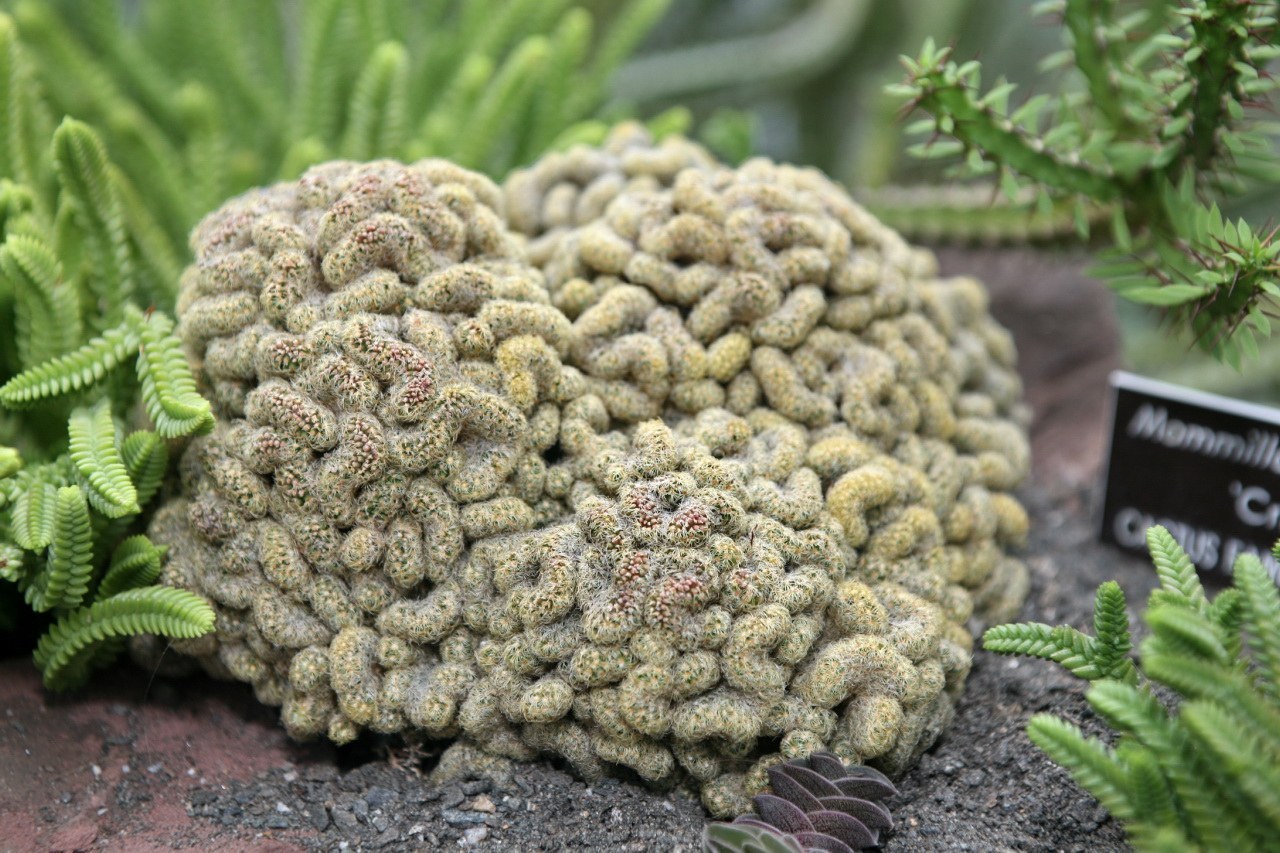
Key Identifying Features
The Ladyfinger Cactus (Mammillaria elongata), also called Gold Lace Cactus, is a clumping cactus made up of slim, finger-like cylindrical stems that lean and sprawl as the colony spreads. Each stem is densely wrapped in clusters of fine, radiating spines that often give the whole plant a golden, lacy appearance.
- Many slender, finger-shaped stems clustered together
- Stems covered in tubercles (bumps), each topped with a star-burst of spines
- Spines usually golden-yellow to amber or white, sometimes with a darker central spine
- Low, sprawling, mounding clumps
Leaves & Stems
There are no leaves; the green stems do the photosynthesis. Each stem is typically 0.5-1.5 inches thick and 2-6 inches long, and a healthy plant offsets freely to form a dense colony of fingers. The stem surface is covered in spiraling tubercles, and from each tubercle's areole radiates a neat circle of 15-20+ fine spines. The overall effect is soft-looking and lacy, though the spines can still prick. Spine color ranges from pale yellow to rich gold to reddish-brown depending on the variety.
Flowers & Fruit
In late winter to spring, Ladyfinger Cactus produces a ring of small flowers near the stem tips, in shades of white, cream, pale yellow, or soft pink. Each bloom is under an inch wide. Successful pollination yields small, elongated pinkish-red berries that gave rise to the "Mammillaria" association with little fruits.
How to Tell It Apart from Look-Alikes
- Brain Cactus: this is the crested form of the same species — if the stems fold into wavy brain-like ridges instead of separate fingers, it's the crested form.
- Other Mammillaria (e.g., M. spinosissima): many are globular or barrel-shaped rather than elongated fingers; Ladyfinger's slim, elongated, clumping stems are the key.
- Golden Barrel or other spiny globes: those are single large globes with stout ribs, not slender clustering fingers with tubercles.
Where You'll Find It
Native to central Mexico (Hidalgo and Querétaro regions), Ladyfinger Cactus is one of the most common beginner-friendly houseplant cacti. Indoors it thrives on bright sunny windowsills; outdoors it grows in rock gardens and containers in warm, dry, frost-free climates (USDA zones 9-11).
Quick ID Checklist
- Clusters of slim, finger-like cylindrical stems
- Stems covered in spiraling tubercles
- Each tubercle bears a star-burst of fine spines
- Spines golden-yellow, amber, or white
- Low, sprawling, mound-forming clump
- Small ring of cream/yellow/pink flowers in spring
Tip: Lots of bright light keeps the fingers compact and the golden spines dense; in low light the stems stretch and pale.
Frequently asked questions
Is Ladyfinger Cactus the same as Brain Cactus?
They are the same species, Mammillaria elongata. Ladyfinger refers to the normal form with separate finger-like stems, while Brain Cactus is the crested mutation that folds into brain-like ridges.
Are the spines dangerous?
The fine, radiating spines look soft and lacy but can still prick skin and are hard to remove because they're numerous. Handle with care or use folded paper or gloves.
When does Ladyfinger Cactus bloom?
It typically flowers in late winter to spring, producing a ring of small cream, yellow, or pale-pink blooms near the tips of the stems.
Why are my cactus fingers stretching and turning pale?
Etiolation from insufficient light causes the stems to elongate and lose their dense golden spination. Move the plant to a brighter spot with several hours of direct sun.