How to Care for Lamb's Ear
Grow silvery, velvet-leaved Lamb's Ear (Stachys byzantina): a tough, drought-tolerant groundcover for hot, dry, full-sun borders.
Read the full Lamb's Ear encyclopedia entry →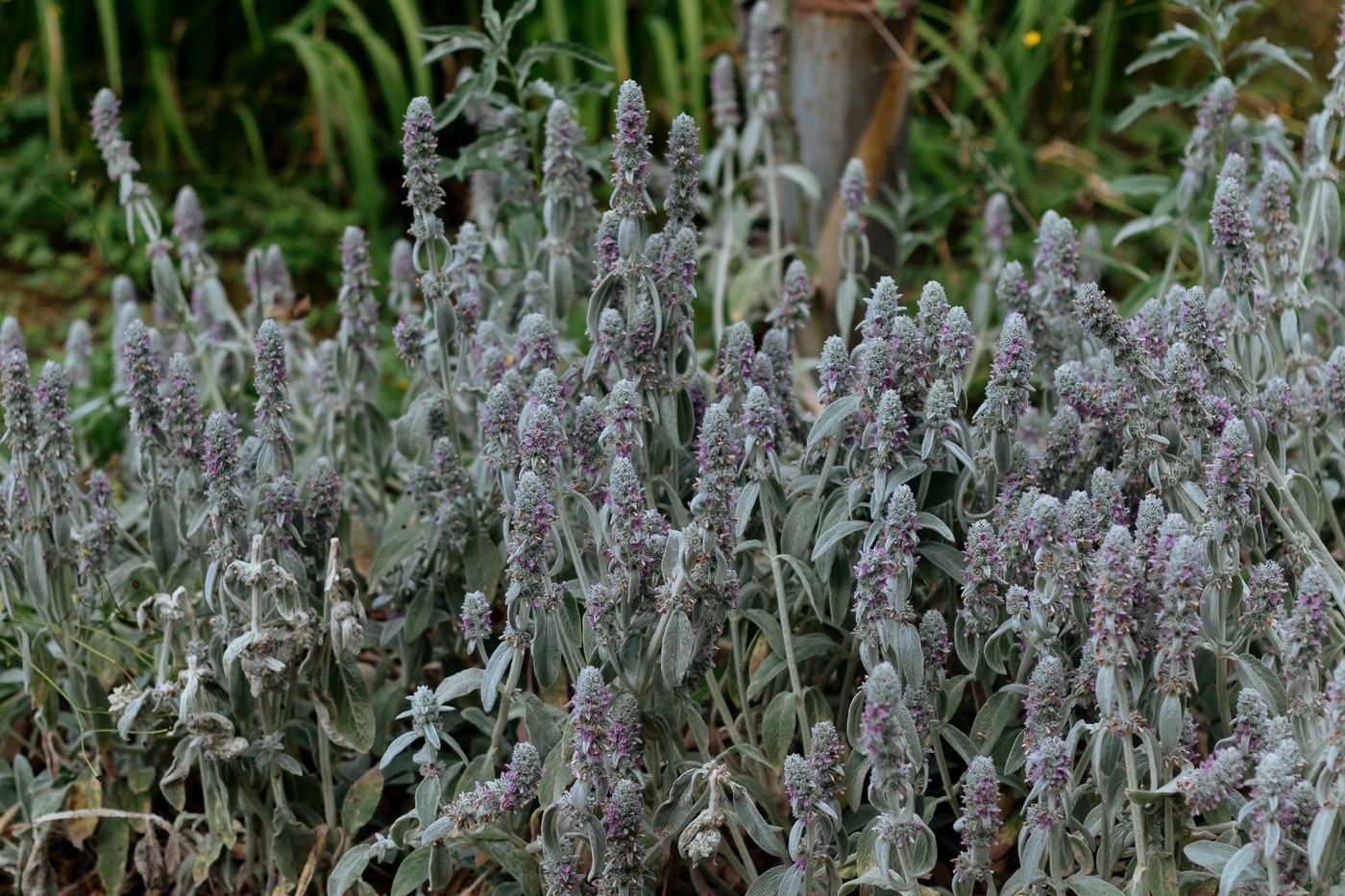
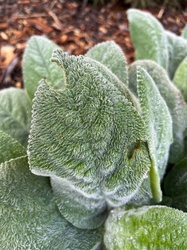
Lamb's Ear (Stachys byzantina) is a low, spreading perennial prized for its dense rosettes of soft, silvery-white, felted leaves that carpet the front of a sunny border. It is one of the easiest ornamentals you can grow, thriving on neglect in exactly the lean, dry, sunny conditions that defeat fussier plants.
Light
Give Lamb's Ear full sun for the most compact rosettes and the brightest silvery felt on the foliage. It will tolerate light afternoon shade, but in too much shade the plants stretch, the leaves lose their tight woolly density, and the crowns become far more prone to rot. A baking, open position is ideal.
Water
This is a low-water plant that must be allowed to dry between waterings. Established clumps are strongly drought tolerant and generally need no supplemental water except in prolonged heat. Overwatering is the single most common cause of failure: soggy soil rots the crowns and mats the woolly leaves. Always water at the base, never overhead, so the felted foliage stays dry.
Soil & Potting
Sharp drainage is essential. Lamb's Ear prefers lean, gritty, average-to-poor soil and actively dislikes rich, moisture-retentive ground. Amend heavy clay with coarse sand or grit and plant on a slight mound to shed water. In containers, use a fast-draining mix cut with extra perlite or grit, and choose a pot with generous drainage holes.
Humidity & Temperature
It favors dry air and open, breezy sites; stagnant humidity encourages the felted leaves to melt and rot in summer. It is cold hardy through most temperate zones, dying back or thinning in hard winters and flushing fresh rosettes in spring. In humid climates, extra spacing and airflow are your best defense.
Feeding
Feeding is rarely needed and generally counterproductive. Rich fertility produces lax, floppy growth and dulls the silver coloring. At most, work a little compost into poor soil at planting. Skip regular feeding entirely for the tidiest, most silvered clumps.
Propagation
Lamb's Ear is very easy to multiply by division. Lift an established clump in spring or early fall, pull or cut apart the rooted rosettes, and replant them at the same depth spaced to fill in. The plant also self-layers as it spreads, so rooted side rosettes can simply be detached and moved.
Repotting / Pruning
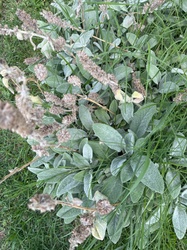
Groom clumps by pulling away any leaves that have gone brown, matted, or mushy, especially after rain or over winter, to keep the center from rotting. Many gardeners shear off the fuzzy flower spikes as they appear to concentrate energy in the foliage and prevent flopping. Divide every few years when the center thins out. Container plants need repotting only when crowded.
Common Problems & Pests
Pests are few; the woolly texture deters most chewing insects. The main problems are cultural: crown and root rot from wet soil, and leaf melt or fungal spotting during hot, humid, rainy spells. Remove affected foliage promptly, improve airflow and drainage, and avoid overhead watering to keep plants healthy.
Seasonal Care Tips
In spring, clean out winter-damaged leaves and divide crowded clumps. Through summer, keep water minimal and shear spent flower stalks. In fall, tidy the rosettes and avoid heavy mulch over the crowns, which traps moisture. In winter the plants may look ragged in cold, wet regions; resist the urge to cut everything back hard and instead wait for the spring flush.
Frequently asked questions
Why are my Lamb's Ear leaves turning brown and mushy?
This is almost always too much moisture. Wet soil, overhead watering, or humid, stagnant air causes the felted leaves and crowns to rot. Remove the damaged leaves, improve drainage and airflow, and water only at the base once the soil has dried.
Should I cut off the flower spikes?
Many growers do. The tall fuzzy spikes can flop and detract from the tidy silver carpet, so shearing them keeps the plant compact and channels energy into the foliage. Leaving them is fine too if you enjoy the bloom.
How do I keep Lamb's Ear from spreading too far?
It spreads by creeping rosettes. Simply pull or dig up the outer rosettes each spring to hold it in bounds, or plant it where a hard edge such as paving contains it.
Does Lamb's Ear need fertilizer?
Almost never. It thrives in lean soil, and feeding produces floppy, less silvery growth. Skip fertilizer and let it grow tough on poor ground.
Lamb's Ear identified by the community
Recent Lamb's Ear specimens identified with Plant Identifier.