Lamb's Ear
Stachys byzantina
Lamb's ear is a drought-tolerant perennial grown for its soft, silvery, densely woolly leaves that feel like felt. It forms low spreading mats topped by fuzzy flower spikes in summer.
- Light
- Full sun
- Water
- Low; let soil dry
- Difficulty
- Easy
Got a plant like this?
Identify any plant from a photo, free.
Overview
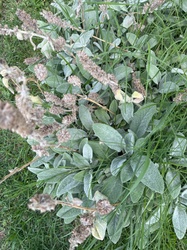
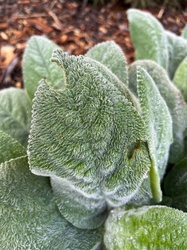
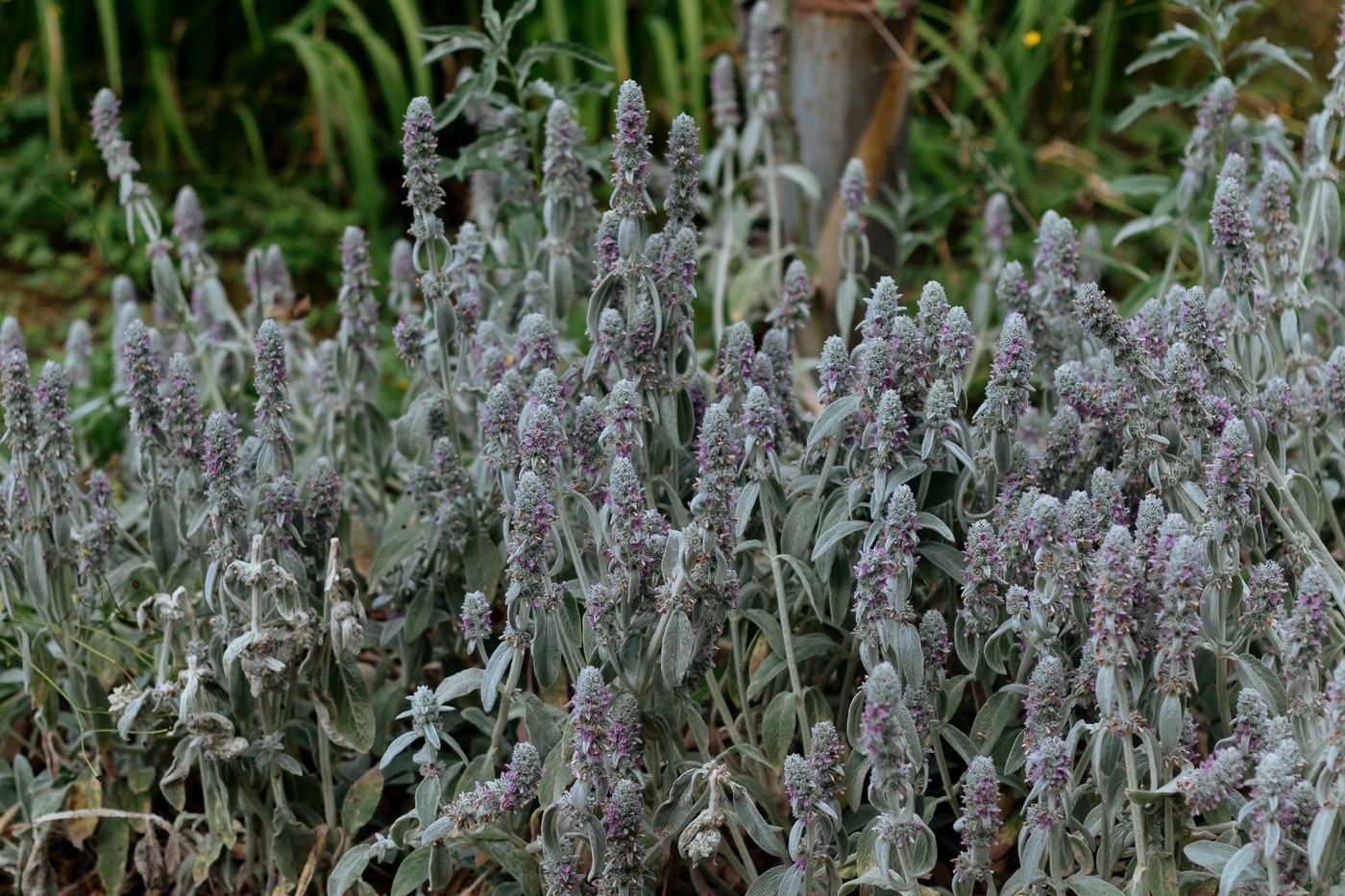
Lamb's ear (Stachys byzantina) is a mat-forming perennial in the mint family famous for its thick, silver-gray foliage covered in soft white hairs. The leaf texture, irresistible to touch, is the reason most people grow it.
It is an easy, drought-tolerant plant that thrives on neglect in hot, sunny, well-drained spots. Spikes of small magenta-pink flowers appear on woolly stems in early to midsummer, though some gardeners prefer non-flowering cultivars like 'Silver Carpet' for foliage alone.
Its silvery color makes it a classic edging plant that ties together brighter flowers in cottage and sensory gardens.
How to identify it
- Leaves: Thick, oblong, 3-4 in long, densely covered in silky white hairs giving a silver, felted appearance and soft feel
- Habit: Low, spreading rosettes forming a mat 8-12 in tall, expanding outward each year
- Flowers: Erect woolly spikes to 12-18 in, studded with small pink-purple flowers in summer
- Overall look: Unmistakable silvery, fuzzy groundcover
Care & growing
- Light: Full sun for the best dense, silver foliage; tolerates light shade but gets floppier
- Water: Low water needs; let the soil dry between waterings and avoid overhead watering, which mats and rots the leaves
- Soil: Demands good drainage; thrives in lean, average, even sandy soils
- Temperature: Hardy about USDA zones 4-8; can melt out in hot, humid, wet summers
- Feeding: Little to none; rich soil makes it leggy
- Propagation: Very easy by division in spring or fall, or from seed
Habitat & origin
Lamb's ear is native to the Middle East and the Caucasus region, including Turkey, Armenia, and Iran, where it grows on dry, rocky, sunny slopes.
It is now grown around the world in temperate gardens and has naturalized in some areas. It performs best in regions with dry summers and struggles where summers are very humid.
Frequently asked questions
Why are my lamb's ear leaves rotting?
Usually too much water or humidity. The woolly leaves hold moisture and rot easily, so keep soil dry, water at the base, and ensure excellent drainage and air flow.
Should I cut off the flower spikes?
It's optional. Some gardeners remove them to keep a tidy low mat and prevent self-seeding; others enjoy the fuzzy spikes and the bees they attract.
Is lamb's ear invasive?
It spreads steadily by creeping rosettes and can self-seed, but it is shallow-rooted and easy to pull or divide, so it is generally easy to control.
Can lamb's ear grow in shade?
It survives light shade but becomes leggy and loses its tight silver look. Full sun gives the best foliage.
Lamb's Ear guides
In-depth guides for identifying, growing, and caring for Lamb's Ear.
How to Care for Lamb's Ear
Grow silvery, velvet-leaved Lamb's Ear (Stachys byzantina): a tough, drought-tolerant groundcover for hot, dry, full-sun borders.
Lamb's Ear Identification Guide
How to identify Lamb's Ear (Stachys byzantina) by its unmistakable silvery, velvety-soft, fuzzy leaves and woolly upright flower stalks.
Lamb's Ear identified by the community
Real specimens identified with Plant Identifier.