How to Care for Lambsquarters
Lambsquarters is an easy, fast-growing annual that thrives in full sun and average soil with minimal fuss or watering.
Read the full Lambsquarters encyclopedia entry →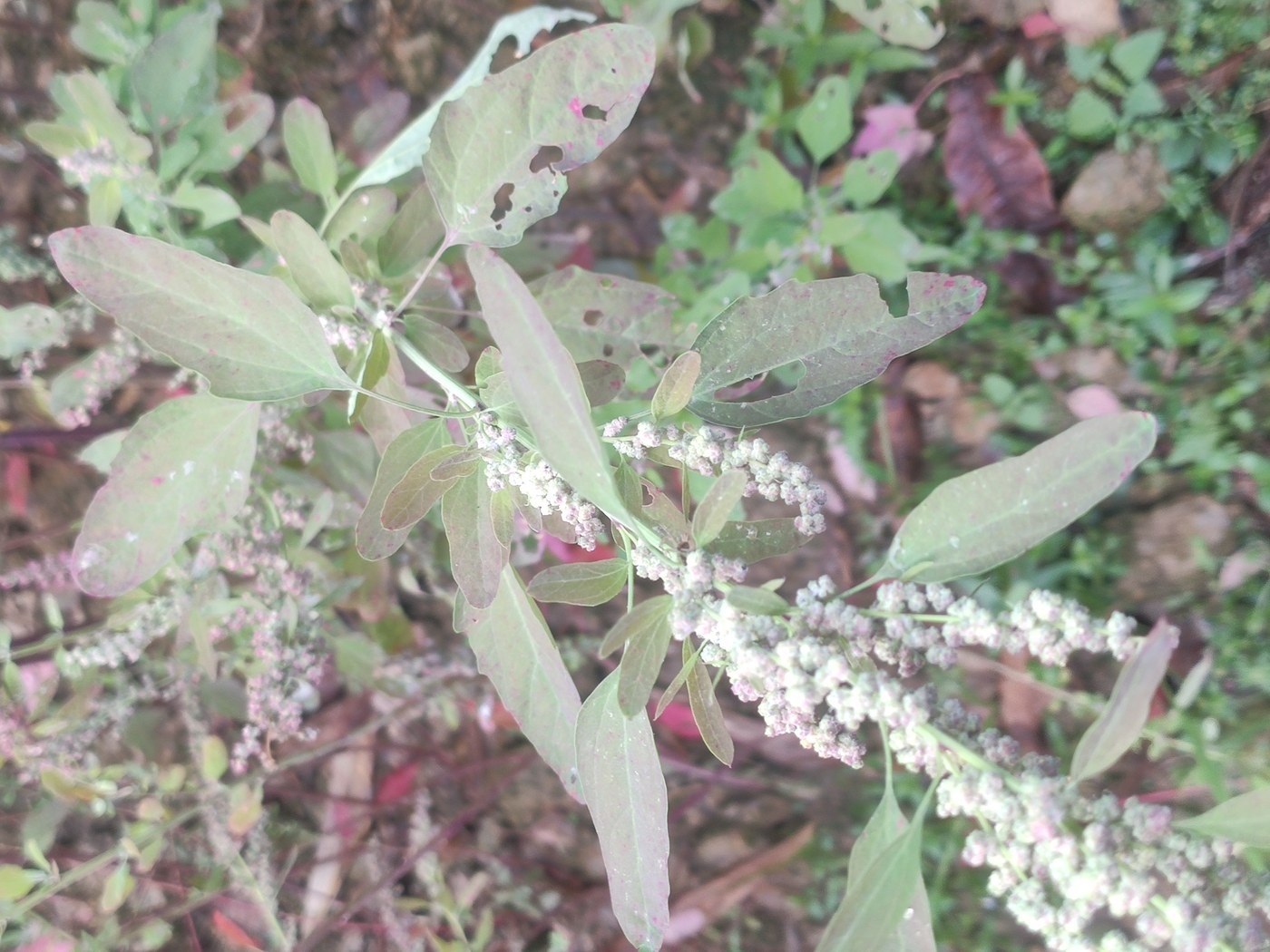
Lambsquarters (Chenopodium album) is a fast-growing annual with soft, mealy-coated diamond-shaped leaves and upright, often reddish-streaked stems. It is remarkably easy to grow, adaptable to poor conditions, and self-sows freely once established.
Light
Give Lambsquarters full sun for the sturdiest, most compact growth. It tolerates a little light shade but becomes leggy and floppy without ample light. A minimum of six hours of direct sun daily keeps stems strong and foliage dense.
Water
This is a drought-tolerant plant that needs only low to moderate watering once its deep taproot is established. Water young seedlings to help them settle, then let the surface soil dry between waterings. Mature plants generally cope with periods of dry weather and dislike constantly soggy soil.
Soil & Potting
Lambsquarters is famously unfussy and grows in almost any soil, from lean and sandy to heavy clay, though it responds vigorously to fertile ground. A neutral to slightly alkaline pH suits it well. Ensure reasonable drainage. In containers, an ordinary all-purpose potting mix is more than adequate.
Humidity & Temperature
A warm-season annual, it germinates and grows best in mild to warm temperatures and is not frost-hardy. It tolerates a wide range of ambient humidity and needs no special atmospheric conditions. Good airflow reduces the chance of leaf mildew in crowded plantings.
Feeding
Feeding is rarely necessary. In poor soil a single dose of balanced general-purpose fertiliser or a top-dressing of compost early on encourages lush foliage. Avoid heavy feeding, which produces soft, sprawling growth and encourages the plant to bolt to seed faster.
Propagation
Lambsquarters grows readily from seed. Sow directly where plants are to grow after the last frost, barely covering the tiny seeds, and thin seedlings to give each room. It self-sows prolifically, so remove flowering stems before seed sets if you want to limit spread.
Repotting / Pruning
As a quick annual it is not repotted; instead resow each season. Pinching out the growing tips of young plants encourages bushier, more branched growth. Removing flower heads before they mature keeps plants leafy longer and prevents aggressive self-seeding.
Common Problems & Pests
Generally trouble-free, it may occasionally attract aphids, leaf miners, or flea beetles, and can develop leaf spot or downy mildew in damp, crowded conditions. Space plants for airflow and hose off aphid clusters. Its biggest 'problem' is enthusiastic self-seeding, easily managed by deadheading.
Seasonal Care Tips
Sow after frost danger passes in spring for a summer stand. Keep young plants watered until established, then largely leave them alone. Pinch tips for bushiness and deadhead to control spread. Plants finish their cycle and die back with the first autumn frosts, dropping seed for the next year unless removed.
Frequently asked questions
Is Lambsquarters hard to grow?
Not at all. It is one of the easiest plants to establish, thriving in full sun and average or even poor soil with minimal watering, and it self-sows readily once settled in.
How often should I water Lambsquarters?
Water young seedlings to help them establish, then only occasionally. Mature plants are drought-tolerant and prefer the soil to dry between waterings rather than staying wet.
How do I stop Lambsquarters from spreading everywhere?
Remove the flowering stems before they set seed. Because it self-sows so freely, regular deadheading is the simplest way to keep it from popping up across the garden.
Can I grow Lambsquarters in a pot?
Yes. An ordinary all-purpose potting mix in a pot with drainage works well. Give it a sunny spot and it will grow quickly with very little maintenance.
Lambsquarters identified by the community
Recent Lambsquarters specimens identified with Plant Identifier.