How to Care for Lantana
Growing guide for lantana (Lantana camara), a heat-loving, drought-tolerant shrub prized for clustered multicolor blooms all season.
Read the full Lantana encyclopedia entry →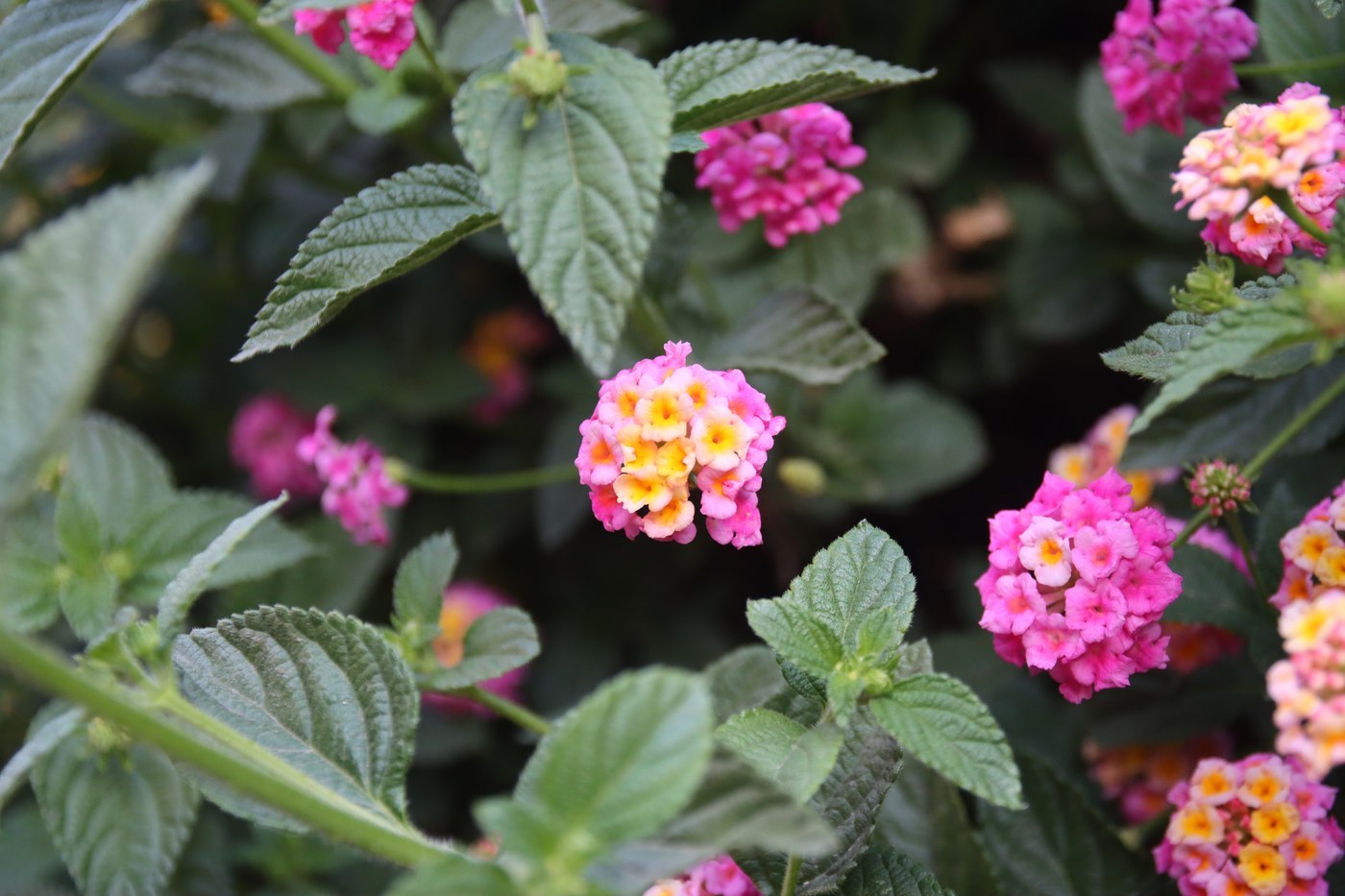
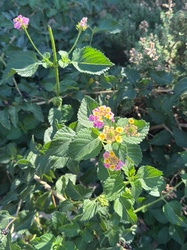
Lantana (Lantana camara) is a tough, sun-loving flowering shrub famous for its dense, dome-shaped clusters of tiny blooms that often shift color as they age, giving each flower head a two- or three-tone look. It thrives on heat, shrugs off drought, and flowers relentlessly from late spring until frost.
Light
Lantana is a sun worshipper. Give it full sun, at least six to eight hours daily, for the heaviest flowering and most compact growth. In too much shade it stretches, blooms sparsely, and becomes more disease-prone. It is one of the best choices for hot, exposed beds and containers.
Water
Water moderately and let lantana lean toward the dry side. Once established it is strongly drought-tolerant, and its worst enemy is soggy soil. Water newly planted specimens regularly until rooted, then only during extended dry heat. Allow the top inch or two of soil to dry between waterings.
Soil & Potting
Sharp drainage is essential. Lantana grows in almost any soil, including lean, sandy, and rocky ground, as long as water moves through freely. A neutral to slightly acidic pH is ideal. In pots, use a well-draining mix, add perlite or coarse sand, and always choose a container with drainage holes.
Humidity & Temperature
This is a warm-climate plant that loves heat and tolerates dry air with ease. It grows as a woody perennial where winters are frost-free and is treated as an annual, or overwintered indoors, in colder regions. Protect it from frost; cold snaps below freezing damage or kill top growth. Bring container plants into a bright, cool space before the first freeze if you want to keep them.
Feeding
Lantana blooms best when NOT overfed. Too much nitrogen produces lush leaves at the expense of flowers. Feed lightly, a balanced or bloom-oriented fertilizer once in spring and perhaps once mid-season, and otherwise let it fend for itself. Container plants benefit from a diluted feed every few weeks during peak growth.
Propagation
Propagate from softwood stem cuttings taken in late spring or summer; they root readily in a moist, well-drained medium with warmth. It can also be grown from seed, though germination is slow and uneven. Cuttings are the fastest way to reproduce a favorite color form.
Repotting / Pruning
Repot container specimens in spring when roots fill the pot. Prune hard in early spring to remove leggy, woody growth and shape the plant; lantana responds to a strong cutback with vigorous new stems and more flowers. Pinch stem tips through the season to keep it bushy, and shear lightly if flowering slows to trigger a fresh flush.
Common Problems & Pests
Under good light and airflow lantana has few problems. Watch for whiteflies, which cluster on leaf undersides, plus occasional aphids, spider mites, and lace bugs; rinse foliage or treat with insecticidal soap. Powdery mildew and root rot appear mainly in shade or overly wet, poorly drained soil, so correct the conditions rather than just treating symptoms. Sparse bloom almost always traces back to too little sun or too much fertilizer.
Seasonal Care Tips
In spring, cut back old growth and refresh the soil. Through summer, let it bask in heat, water sparingly, and deadhead or lightly shear to sustain waves of bloom. In autumn, reduce watering as growth slows. In frost-prone areas, either take cuttings, move containers to shelter before the first freeze, or grow it as a colorful annual.
Frequently asked questions
Why isn't my lantana flowering?
The two usual culprits are too little sun and too much fertilizer. Lantana needs full sun for heavy bloom, and excess nitrogen pushes leaves instead of flowers. Move it to a brighter spot and cut back on feeding.
How often should I water lantana?
Sparingly. Once established it is very drought-tolerant, so water only during extended dry heat and let the top inch or two of soil dry out first. Soggy soil is far more damaging than dryness.
Can lantana survive winter?
It is a woody perennial only in frost-free climates. Where winters freeze, grow it as an annual, take cuttings, or move container plants to a bright, cool indoor space before the first frost.
How do I keep lantana from getting leggy?
Prune hard in early spring and pinch the stem tips through the growing season. A strong cutback triggers bushy new growth and more flower clusters.
Lantana identified by the community
Recent Lantana specimens identified with Plant Identifier.