Lantana Identification Guide
Identify lantana by its dome-shaped clusters of tiny multicolored flowers that change color with age, rough aromatic leaves, and dark berry clusters.
Read the full Lantana encyclopedia entry →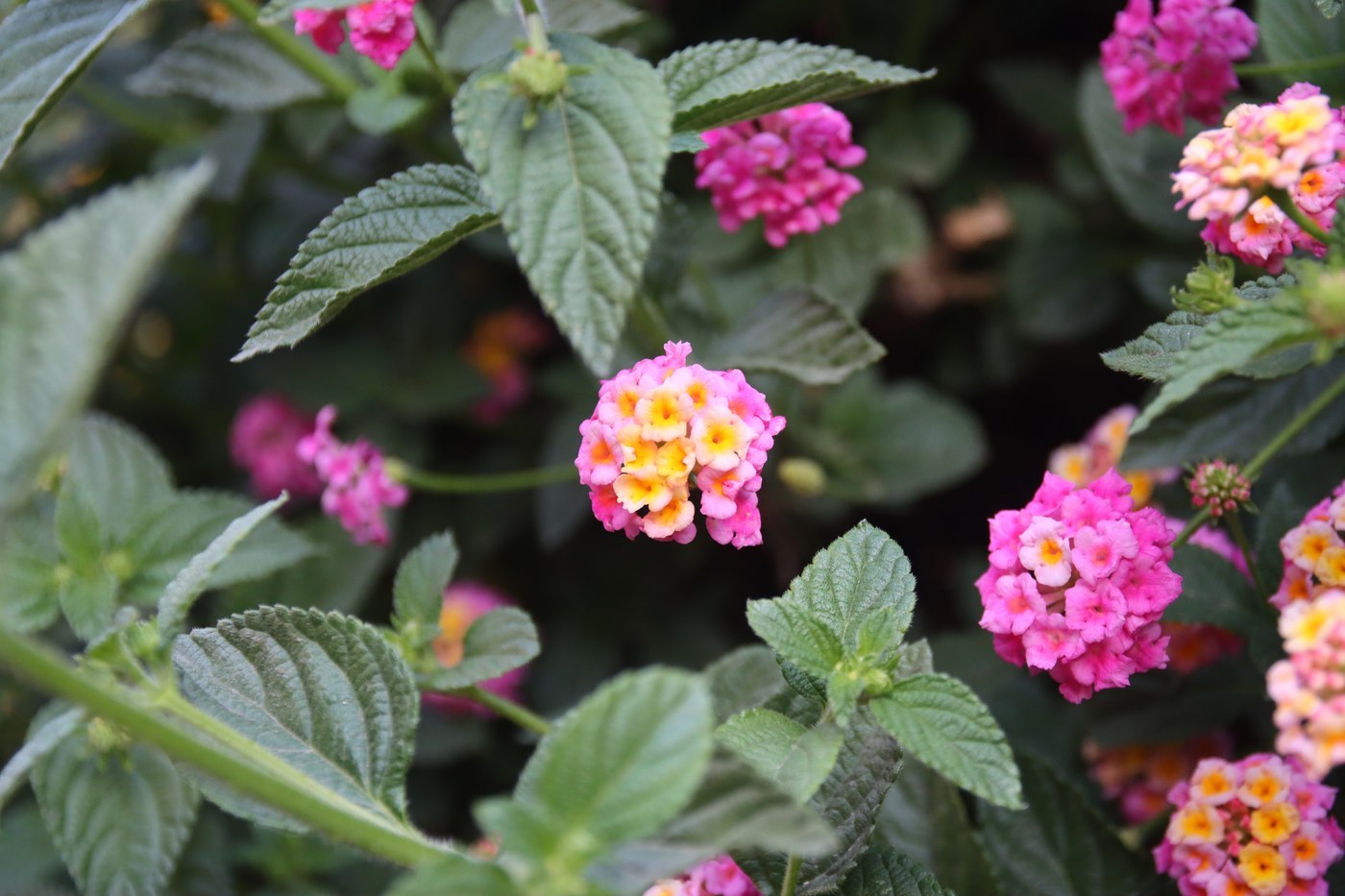
Key Identifying Features
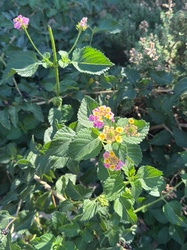
Lantana is a woody, sprawling shrub or groundcover in the verbena family, instantly recognized by its rounded clusters of tiny flowers that display several colors at once, because individual florets change color as they age.
- Dense dome/umbel-shaped flower heads about 1-2 in across
- Florets shift color with age, e.g. yellow → orange → red within one head
- Color combos include red-orange-yellow, pink-yellow, and solid white or lavender
- Strong, distinctive pungent aroma when leaves are crushed
Leaves & Stems
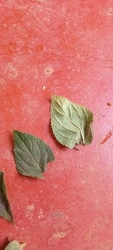
Leaves are opposite, oval, with toothed margins and a rough, sandpapery, wrinkled texture. They smell strongly (some find it unpleasant) when bruised. Stems are woody, often with small prickles, and may sprawl or climb. Trailing lantana (Lantana montevidensis) is lower and lavender-flowered; common lantana (Lantana camara) is bushier and multicolored.
Flowers & Fruit
Each floret is a small 5-lobed tube, and the cluster blooms from the outside in. After flowering, lantana forms clusters of small round berries that ripen from green to dark blue-black.
How to Tell It Apart from Look-Alikes
- Verbena (relative): has similar 5-lobed clustered flowers but blooms are usually a single color per head and the plant is softer, not woody, with no berries.
- Common milkweed: clustered flowers too, but milkweed has milky sap and pod fruits.
- The multicolored aging flower head, sandpapery aromatic leaves, and blue-black berries together are unique to lantana.
Where You'll Find It
Lantana thrives in hot, sunny gardens and is a major butterfly and hummingbird plant in warm climates. It is widely naturalized—and invasive—in tropical and subtropical regions worldwide, colonizing roadsides, pastures, and disturbed land. It is heat- and drought-tolerant and blooms relentlessly through summer.
Quick ID Checklist
- Dome cluster of tiny flowers in multiple colors
- Florets change color as they age
- Opposite, rough, aromatic toothed leaves
- Woody, sometimes prickly sprawling stems
- Blue-black berry clusters
- Loves heat and full sun
A dome of tiny multicolored florets that shift hue with age, set against rough strongly scented leaves, is the hallmark of lantana.
Frequently asked questions
Why does lantana show several colors in one flower head?
Individual florets change color as they age, so a single cluster can display yellow, orange, and red at once, which is a key identifying trait.
How do I tell lantana from verbena?
Lantana is a woody, aromatic shrub with multicolored aging flower heads and blue-black berries, while verbena is softer, usually one color per cluster, and produces no berries.
Is lantana invasive?
In many warm regions, yes. Lantana camara spreads aggressively into roadsides, pastures, and disturbed ground and is considered a serious invasive weed in the tropics.
What kind of leaves does lantana have?
Opposite, oval, toothed leaves with a rough, sandpapery, wrinkled surface that release a strong pungent aroma when crushed, which together with the multicolored flower domes confirms the identification.
Lantana identified by the community
Recent Lantana specimens identified with Plant Identifier.