
How to Care for Larkspur
Airy cottage-garden annual with tall spires of blue, pink, and white blooms; sow in place in full sun and keep evenly moist.
Read the full Larkspur encyclopedia entry →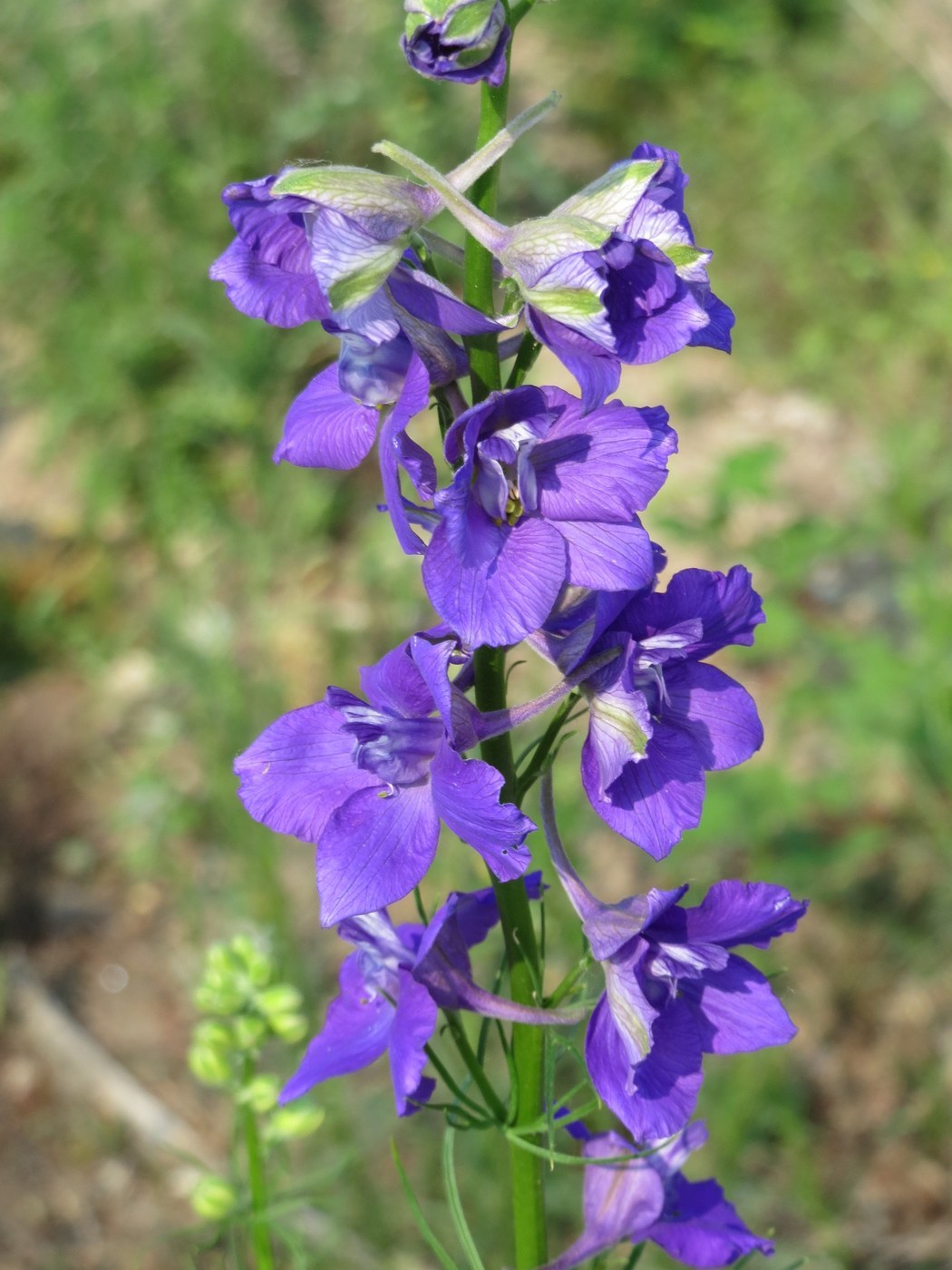
Larkspur (Consolida ajacis) is a graceful hardy annual grown for its tall, feathery spires of densely packed blue, purple, pink, and white flowers, a cottage-garden and cut-flower favorite. It is easy to grow from seed sown directly where it is to bloom, thriving in cool weather and full sun.
Light
Larkspur flowers best in full sun, with at least six hours of direct light, though it tolerates light shade and even appreciates a little afternoon shade in hot climates. Ample sun produces the sturdiest stems and the fullest flower spikes. In too much shade plants grow leggy, flop, and bloom sparsely.
Water
Keep the soil evenly moist, particularly while seedlings establish and as flower spikes develop. Larkspur likes consistent moisture but not waterlogged ground; water at the base to keep foliage dry and reduce disease. Avoid both drought stress, which cuts the bloom short, and soggy soil, which causes root and crown rot. A mulch helps steady soil moisture in warm weather.
Soil & Potting
Grow larkspur in fertile, well-drained soil with plenty of organic matter and a neutral to slightly alkaline pH. Loosen and enrich the bed with compost before sowing. Because larkspur forms a taproot and resents transplanting, it is best sown directly in place. It grows in containers too, but needs a deep pot to accommodate the root and support for the tall stems.
Humidity & Temperature
Larkspur is a cool-season annual that germinates and grows best in cool conditions and often fades once summer heat arrives. In mild-winter regions, seed sown in fall overwinters as small plants and blooms early; in colder areas, sow in very early spring. It prefers low to moderate humidity and good airflow; hot, humid, stagnant conditions invite mildew.
Feeding
Larkspur is a modest feeder. Rich, compost-amended soil usually supplies enough nutrition. A light application of balanced fertilizer as plants begin active growth and again as buds form supports strong flowering, but avoid excess nitrogen, which favors foliage over blooms and produces weak, floppy stems.
Propagation
Larkspur is grown from seed. The seed benefits from a period of cold—sow in fall or cold-stratify seed before spring sowing to improve germination, which is best in cool soil. Sow directly in the garden and thin seedlings to give each room. Larkspur self-seeds readily, often returning year after year from dropped seed once established. Because of its taproot, it does not transplant or divide well.
Repotting / Pruning
As a direct-sown annual, larkspur is not repotted. Pinch young plants to encourage branching if you want bushier growth, and stake or support tall varieties, which are prone to flopping in wind and rain. Deadhead spent flower spikes to prolong blooming and keep the plant tidy; leave some spikes to ripen seed at season's end if you want it to self-sow for next year.
Common Problems & Pests
The main problems are flopping stems (support tall types), powdery mildew in humid or crowded conditions (space plants and water at the base), and root or crown rot in wet, poorly drained soil. Slugs and snails may damage young seedlings, and aphids can cluster on new growth. Good spacing, sun, and drainage prevent most trouble. Plants naturally decline as summer heat sets in—this is normal for a cool-season annual.
Seasonal Care Tips
Sow seed in fall in mild regions or very early spring in colder ones, directly where plants are to grow. Thin seedlings and provide support early for tall varieties. Keep soil evenly moist and deadhead through the spring-to-early-summer bloom to extend flowering. As heat arrives and plants finish, let a few spikes set seed for self-sowing, then clear the spent plants. Expect a fresh flush from self-sown seedlings the following season.
Frequently asked questions
Should I start larkspur seeds indoors or sow them directly?
Sow directly where they are to bloom. Larkspur forms a taproot and strongly resents transplanting, so seedlings started indoors often struggle. Direct-sow in fall in mild climates or very early spring elsewhere, in cool soil.
Why is my larkspur seed not germinating?
Larkspur seed needs cool conditions and often a period of cold to sprout well. Sow in fall or chill the seed before spring sowing, keep the soil cool and evenly moist, and be patient—germination can be slow.
Why are my larkspur plants flopping over?
Tall larkspur stems flop in wind and rain, especially in too much shade or overly rich, high-nitrogen soil. Grow in full sun, avoid excess nitrogen, and stake or support the plants early before the spikes get heavy.
Will larkspur come back every year?
Larkspur is an annual, but it self-seeds readily. If you let some spent flower spikes ripen and drop seed, new plants typically reappear on their own the following season, giving the impression of a returning planting.