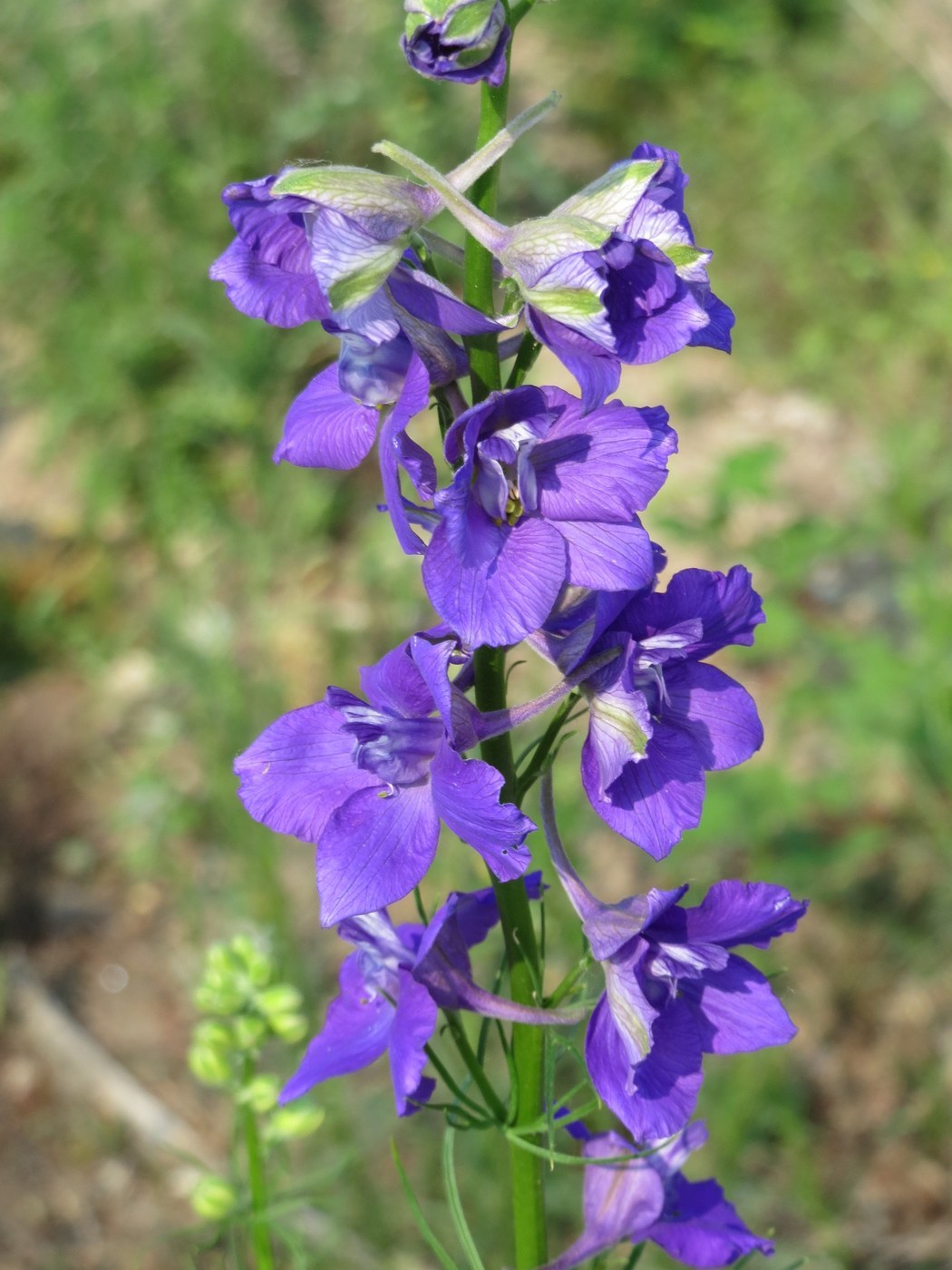
Larkspur
Consolida ajacis
A cool-season annual related to delphinium, bearing tall spikes of spurred blue, purple, pink or white flowers above feathery foliage. It is a cottage-garden classic and an excellent cut flower.
- Light
- Full sun to light shade
- Water
- Moderate; keep evenly moist
- Difficulty
- Easy
Got a plant like this?
Identify any plant from a photo, free.
Overview
Annual larkspur is an upright, fast-growing annual that produces elegant flower spires in early summer. Each bloom has a backward-pointing spur, giving the flower its 'lark's heel' shape and its common name.
Closely related to perennial delphiniums, larkspur is easier to grow from seed and prized for vertical accent in borders and for cutting.
How to identify it
- Slender, upright stems 1-4 ft (30-120 cm) tall
- Leaves are finely cut into thread-like segments, giving a soft, ferny look
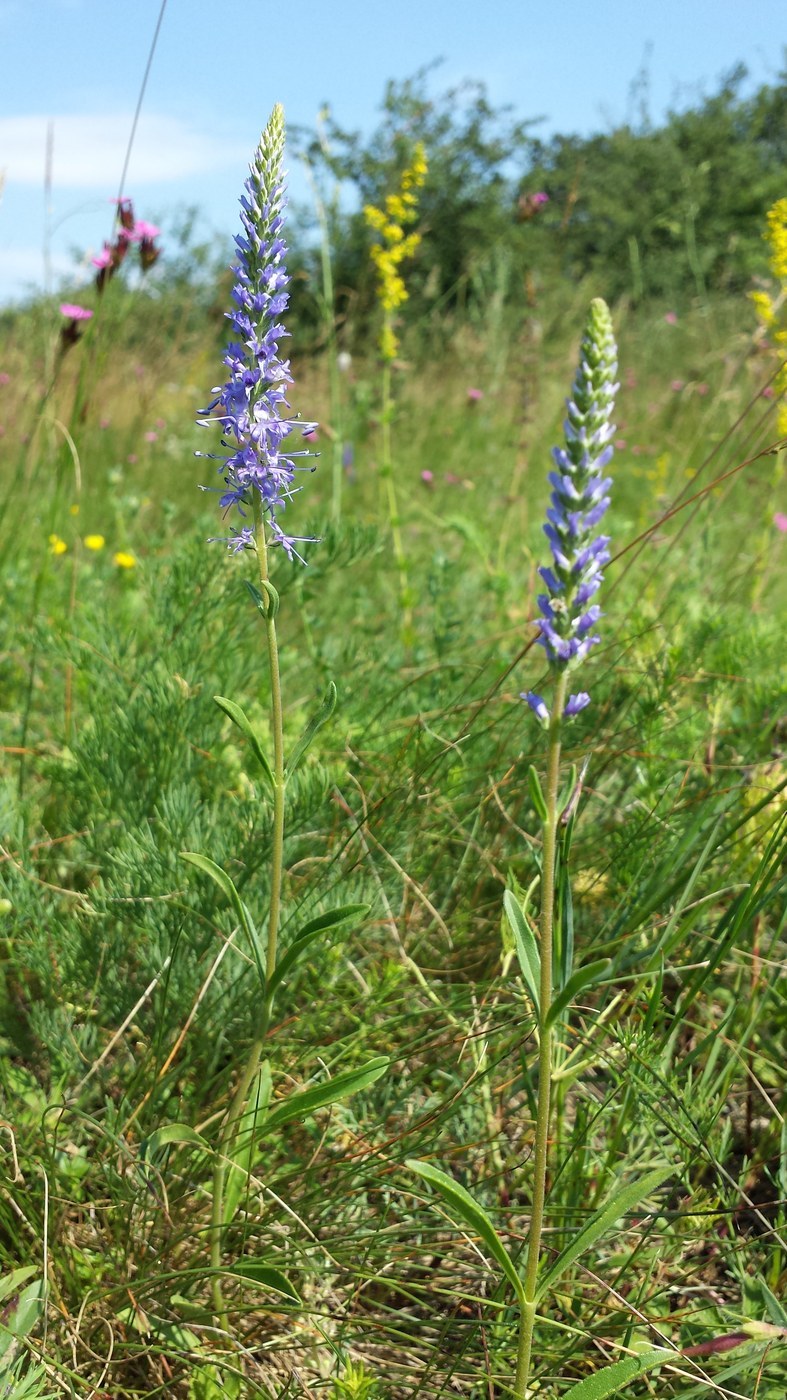
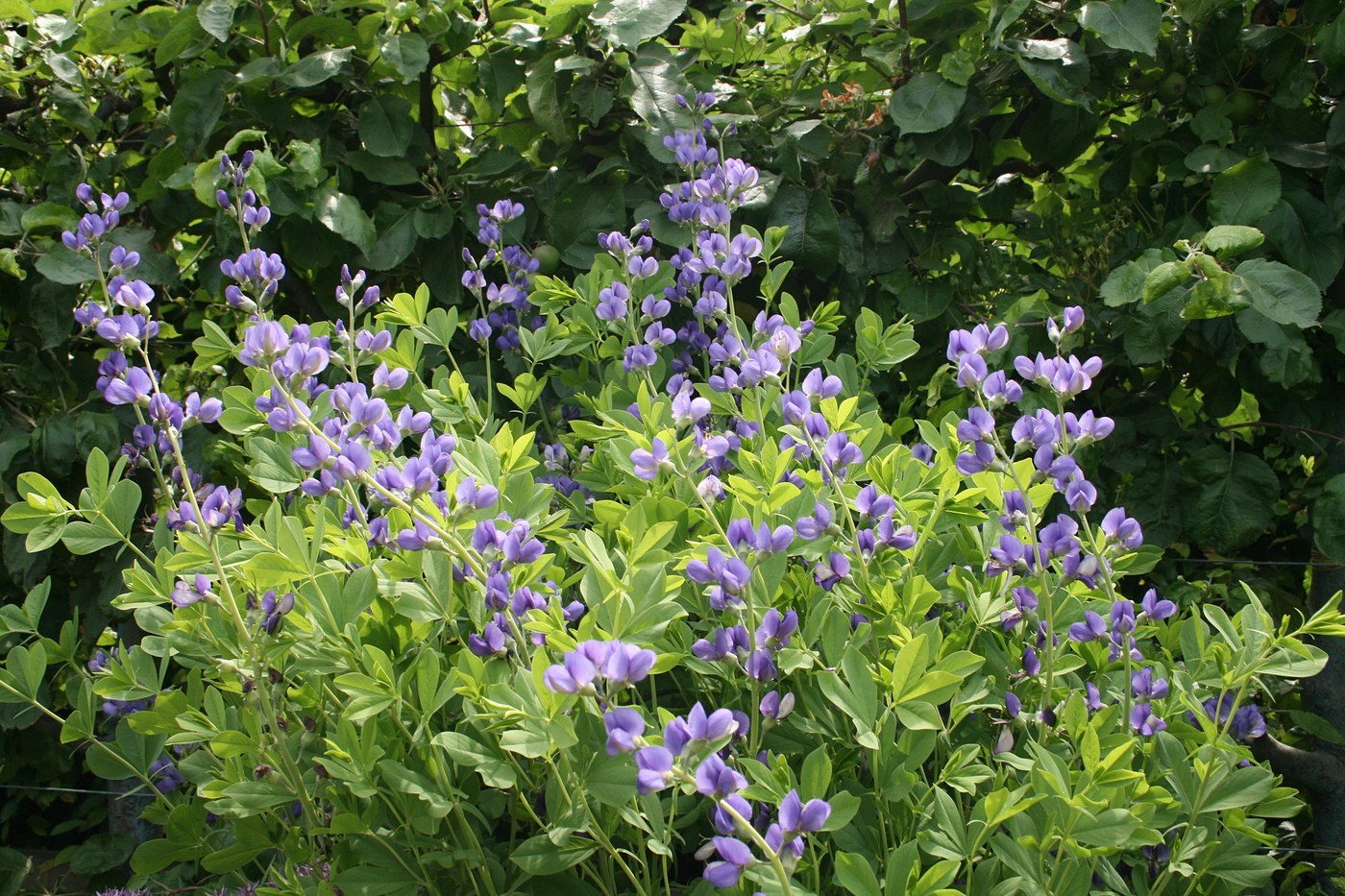
- Flowers are densely packed on tall spikes, each with five petal-like sepals and a prominent backward spur
- Colors include blue, violet, purple, pink, lilac and white
- Produces small dry follicles full of black seed
Care & growing
- Light: Full sun, tolerating light shade
- Water: Moderate and even; avoid both drought stress and waterlogging
- Soil: Fertile, well-drained soil
- Temperature: Cool-season plant; germinates best in cool soil and blooms before peak summer heat
- Feeding: A light balanced feed supports the tall flower spikes
- Propagation: Direct-sow seed in fall or very early spring; seed benefits from cool, dark conditions and resents transplanting
Stake tall stands in windy sites and deadhead to prolong bloom; self-sows readily.
Habitat & origin
Native to the Mediterranean region, larkspur has naturalized across Europe, North America and other temperate areas.
It is a long-standing cottage-garden and cutting-garden flower, grown in borders, wildflower plantings and for the cut-flower trade.
Frequently asked questions
What is the difference between larkspur and delphinium?
Larkspur (Consolida) is an annual grown from seed each year, while delphinium is a related perennial; larkspur is generally easier and shorter-lived.
When should I plant larkspur seed?
Sow directly in fall or very early spring; the seed needs cool conditions to germinate and resents being transplanted.
Does larkspur make a good cut flower?
Yes, its tall spikes are excellent fresh and they dry well, retaining their color for lasting arrangements.
Larkspur guides
In-depth guides for identifying, growing, and caring for Larkspur.
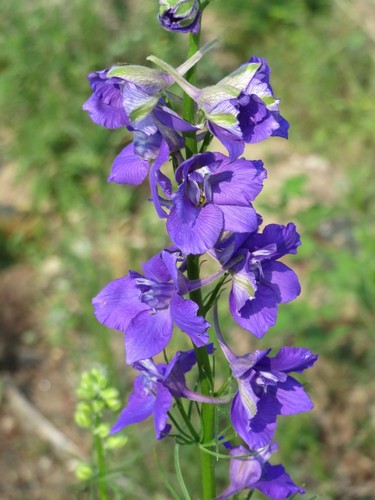
How to Care for Larkspur
Airy cottage-garden annual with tall spires of blue, pink, and white blooms; sow in place in full sun and keep evenly moist.
Larkspur Identification Guide
Identify larkspur (Consolida and Delphinium) by its tall spikes of spurred flowers and deeply cut, ferny leaves, and learn how it differs from its close relatives.