How to Care for Lavender
Grow fragrant English lavender with full sun, sharp drainage, and sparing water for silver foliage and long-lasting purple spikes.
Read the full Lavender encyclopedia entry →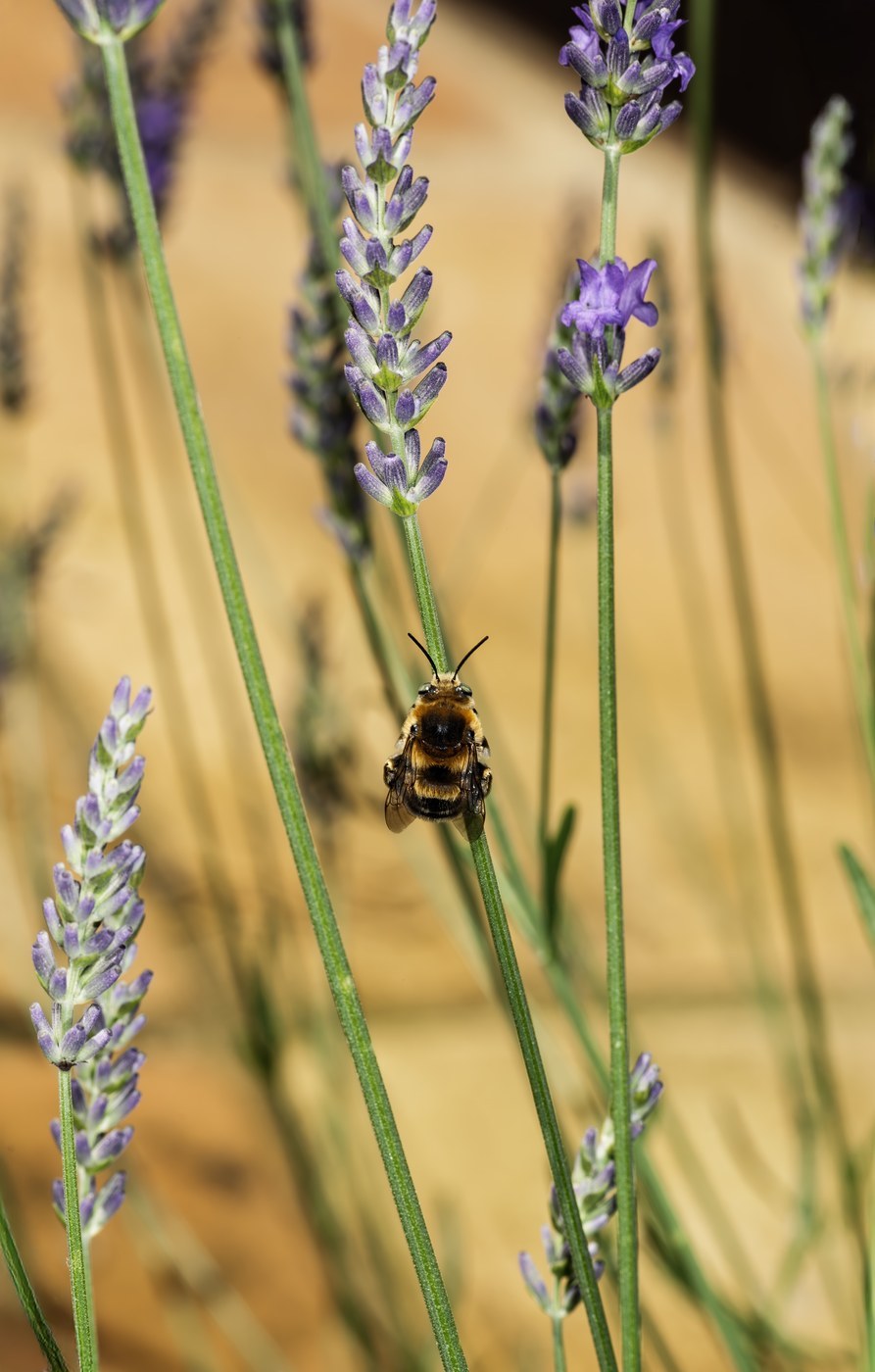
English lavender (Lavandula angustifolia) is a woody Mediterranean sub-shrub prized for its silvery foliage and slender spikes of purple flowers. It thrives on neglect, rewarding gardeners who resist the urge to overwater and pamper.
Light
Lavender demands full sun, meaning at least 6 to 8 hours of direct light daily. In shade or crowded borders it grows leggy, flowers poorly, and becomes prone to rot. Give it the hottest, brightest spot you have, and in containers rotate the pot so all sides develop even, compact growth.
Water
Water sparingly. Lavender is deeply drought tolerant once established and resents wet feet more than dry spells. Let the soil dry thoroughly between waterings, then water deeply and infrequently to encourage a strong root system. Established plants in the ground often need no supplemental water except in extended drought. Container plants dry faster, so check by probing the soil rather than watering on a schedule.
Soil & Potting
Sharp drainage is non-negotiable. Use a lean, gritty, alkaline-to-neutral soil; heavy clay is the fastest way to lose a plant. Amend beds with coarse sand, grit, or fine gravel, and consider planting on a slight mound. In pots, use a cactus or Mediterranean-herb mix cut further with perlite or pumice, and always choose a container with generous drainage holes. Terracotta is ideal because it wicks excess moisture away.
Humidity & Temperature
Lavender loves dry air and good airflow; high humidity invites fungal issues. English lavender is the most cold-hardy type, tolerating hard frosts and cold winters once established. Space plants generously so breezes move freely through the foliage. In humid climates, extra grit at the crown and wide spacing are your best defenses.
Feeding
Lavender is a light feeder and actually flowers best in poor soil. Skip rich fertilizers, which push soft, floppy growth at the expense of blooms and fragrance. A thin topdressing of compost or a light scatter of a balanced, low-nitrogen feed in early spring is more than enough. Overfeeding is a common cause of weak, sprawling plants.
Propagation
The easiest method is softwood or semi-ripe cuttings taken in late spring through summer. Snip 3 to 4 inch non-flowering shoots, strip the lower leaves, and insert into a gritty, free-draining mix kept barely moist. Roots typically form in a few weeks. Lavender can also be grown from seed, though germination is slow and named cultivars will not come true.
Repotting / Pruning
Pruning is the single most important task for longevity. Trim lightly after the first flush of bloom, then give a harder shape-up in late summer or early spring, always cutting into green growth and never into bare old wood, which rarely resprouts. This keeps the plant compact and prevents it splitting open. Repot container specimens every couple of years into a slightly larger pot with fresh gritty mix.
Common Problems & Pests
Lavender is remarkably pest-free, but root rot and fungal diseases from wet soil are the leading killers. Yellowing, blackened stems, or sudden collapse usually trace back to poor drainage. In humid conditions watch for spittlebugs and occasional fungal leaf spot; improve airflow and reduce overhead watering. A woody, hollow center signals a plant that was never pruned regularly.
Seasonal Care Tips
In spring, prune for shape as new growth appears and topdress lightly. Through summer, deadhead spent spikes to tidy the plant and sometimes coax a second flush. In autumn, ease off watering and avoid hard cutbacks that leave tender new growth exposed to frost. In cold-winter regions, a gravel mulch protects the crown; in wet-winter regions, keeping the base dry matters more than protecting against cold.
Frequently asked questions
Why is my lavender turning woody and floppy in the middle?
This is almost always from missed pruning. Lavender needs a light trim after flowering and a firmer shaping each year into green growth. Left unpruned, the base turns woody and hollow and the plant splits open. Never cut into bare old wood, which rarely regrows.
How often should I water lavender?
Sparingly. Let the soil dry out completely between deep, infrequent waterings. Established garden plants often need no extra water at all. Overwatering and poor drainage are the most common causes of lavender death, so err on the dry side.
Can I grow lavender in a pot?
Yes, and containers can improve drainage in wet climates. Use a gritty cactus or Mediterranean mix in a terracotta pot with ample drainage holes, place it in full sun, and let it dry between waterings. Repot every couple of years into fresh, lean mix.
Why won't my lavender flower well?
Too little sun and too much feeding are the usual culprits. Lavender needs 6 to 8 hours of direct sun and lean soil to bloom heavily. Rich fertilizer produces leafy growth at the expense of flowers, so give it a bright, poor, well-drained spot.
Lavender identified by the community
Recent Lavender specimens identified with Plant Identifier.