Lavender
Lavandula angustifolia
An aromatic Mediterranean shrub-herb grown for its fragrant purple flower spikes and silvery foliage. Lavender thrives on sun, lean soil, and minimal water.
- Light
- Full sun
- Water
- Sparingly; drought tolerant
- Difficulty
- Easy
Got a plant like this?
Identify any plant from a photo, free.
Overview
Lavender is a woody, evergreen perennial herb famous for its distinctive fragrance and slender spikes of purple-blue flowers. English lavender is the hardiest and most aromatic type.
Its gray-green, needle-like foliage and compact mounding form make it as ornamental as it is useful, and it is a classic choice for borders, hedges, and herb gardens.
Widely grown for its fragrance and dried crafts, lavender is prized for thriving in hot, dry, poor conditions where many plants fail.
How to identify it
Recognize lavender by:
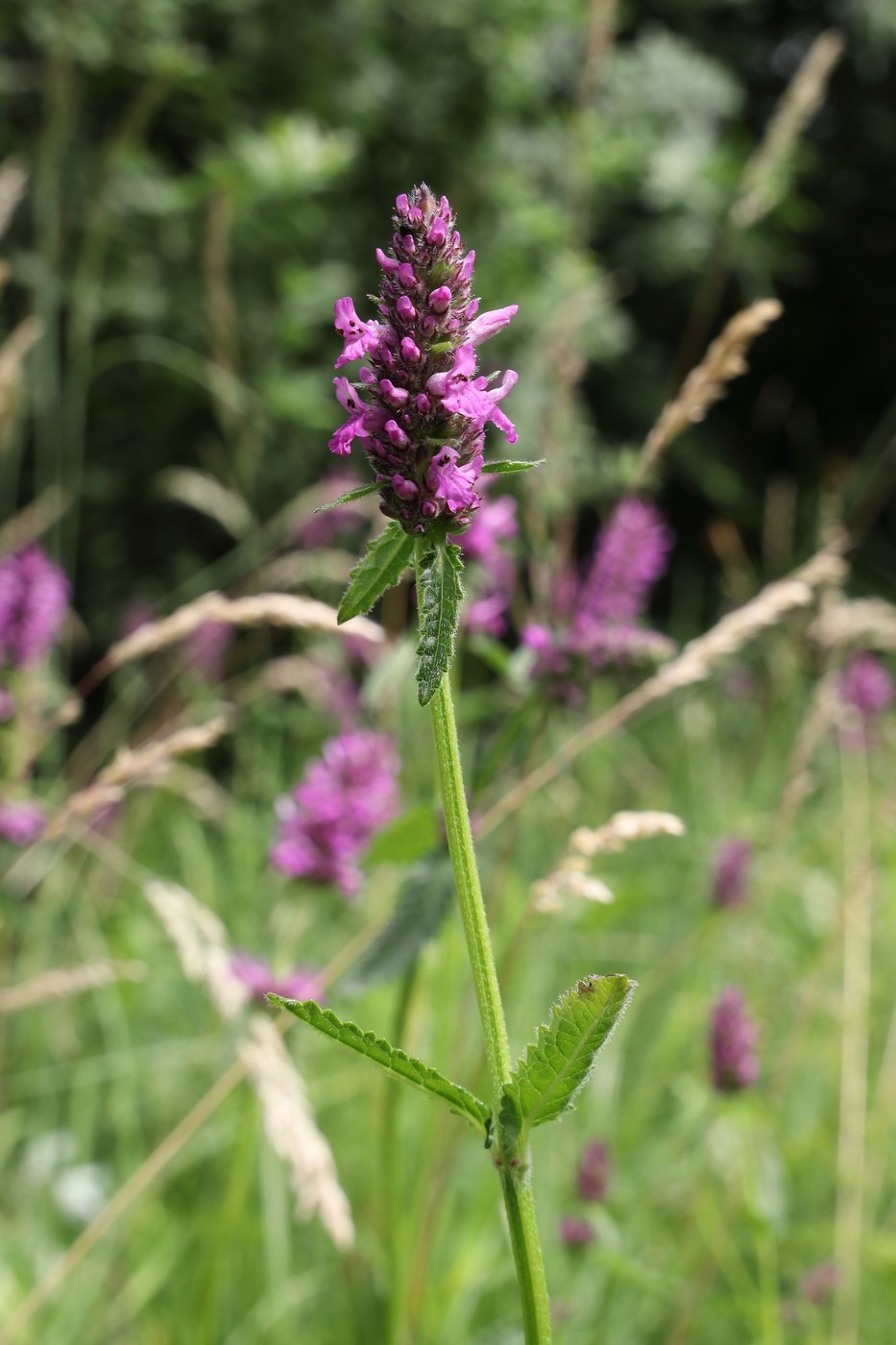
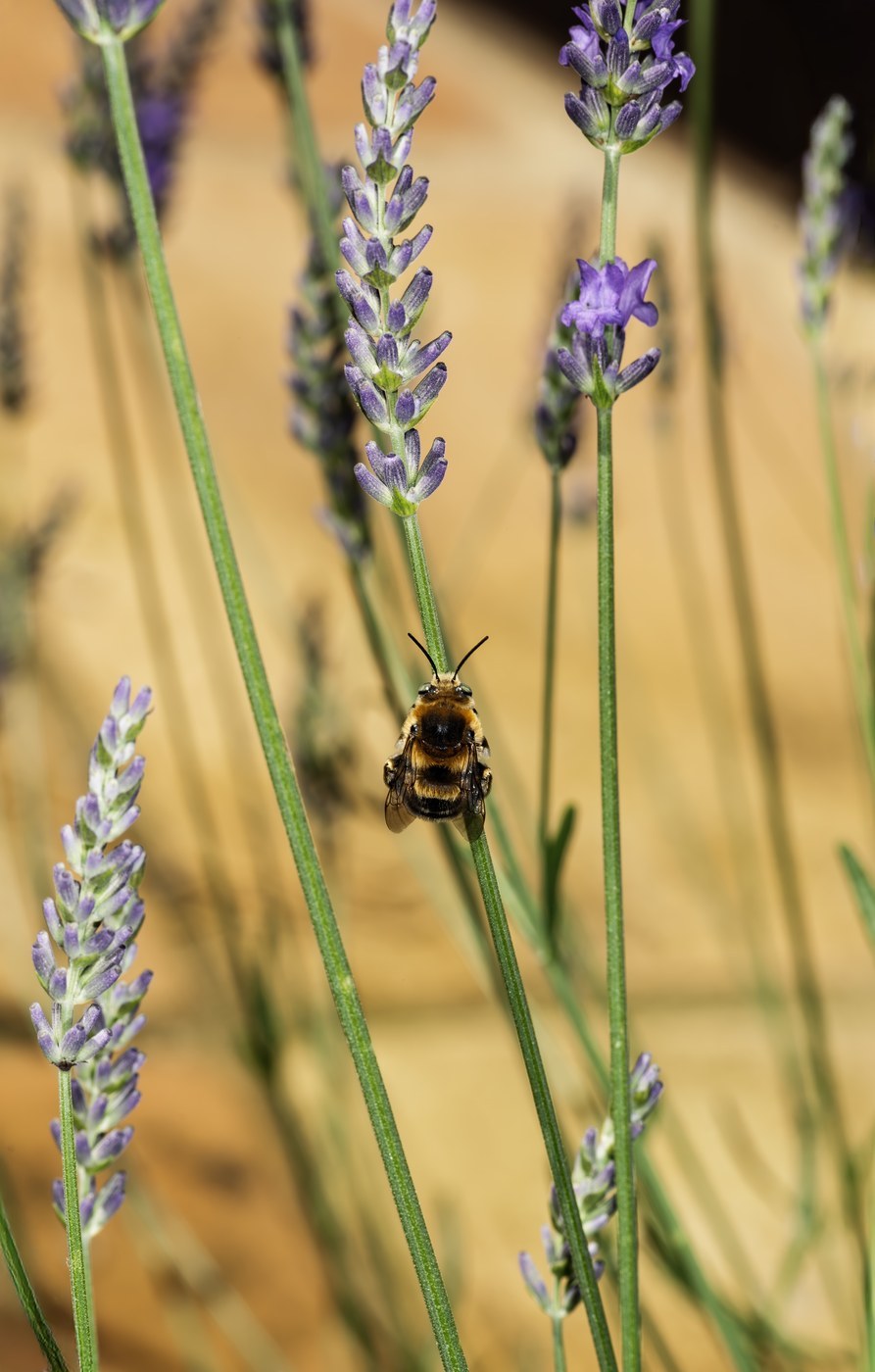
- Flowers: Small purple (sometimes blue, pink, or white) flowers clustered on slender spikes above the foliage.
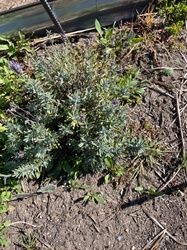
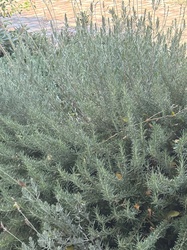
- Foliage: Narrow, gray-green to silvery, needle-like leaves on woody stems.
- Fragrance: A strong, fresh, herbaceous aroma from leaves and flowers.
- Habit: A compact, rounded, bushy subshrub usually 1-2 feet tall.
- Stems: Square stems (typical of the mint family) that become woody at the base.
Care & growing
Lavender's golden rule is sun and sharp drainage.
- Light: Full sun, the more the better, for strong fragrance and flowering.
- Water: Drought tolerant once established; water sparingly and let soil dry between, as it hates wet feet.
- Soil: Lean, gritty, well-drained, slightly alkaline soil; avoid rich or soggy ground.
- Temperature: English lavender is cold-hardy; other types prefer milder, frost-free climates.
- Feeding: Little to no fertilizer; overfeeding reduces fragrance.
- Propagation: Best from softwood or semi-ripe cuttings; prune lightly after bloom to keep it from getting woody and leggy.
Habitat & origin
Lavender is native to the dry, rocky hillsides of the Mediterranean region, including southern Europe and northern Africa, where it grows in hot sun and poor, alkaline soils.
It is now cultivated worldwide in regions with Mediterranean-style climates, with famous commercial fields in Provence, France, and in parts of England, the United States, and Australia, grown for their dried flowers and fragrance.
Frequently asked questions
Why is my lavender dying?
The usual culprit is overwatering or heavy, poorly drained soil; lavender needs lean, gritty conditions and will rot if kept too wet.
How do I keep lavender from getting woody?
Prune lightly each year after flowering, cutting back into green growth but not into bare old wood, to maintain a compact, productive plant.
How tall does lavender grow?
Most English lavenders form compact, rounded subshrubs about 1-2 feet tall and wide, though some larger lavandins can reach 2-3 feet.
Lavender guides
In-depth guides for identifying, growing, and caring for Lavender.
How to Care for Lavender
Grow fragrant English lavender with full sun, sharp drainage, and sparing water for silver foliage and long-lasting purple spikes.
Lavender Identification Guide
Identify lavender by its narrow gray-green aromatic leaves, square stems, and slender spikes of small purple tubular flowers.
Lavender identified by the community
Real specimens identified with Plant Identifier.