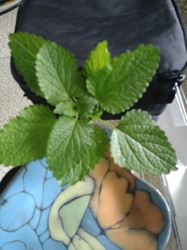
How to Care for Lemon Balm
Grow lush, lemon-scented Melissa officinalis with easy care: full sun to part shade, steady moisture, and regular cutting back to keep it bushy.
Read the full Lemon Balm encyclopedia entry →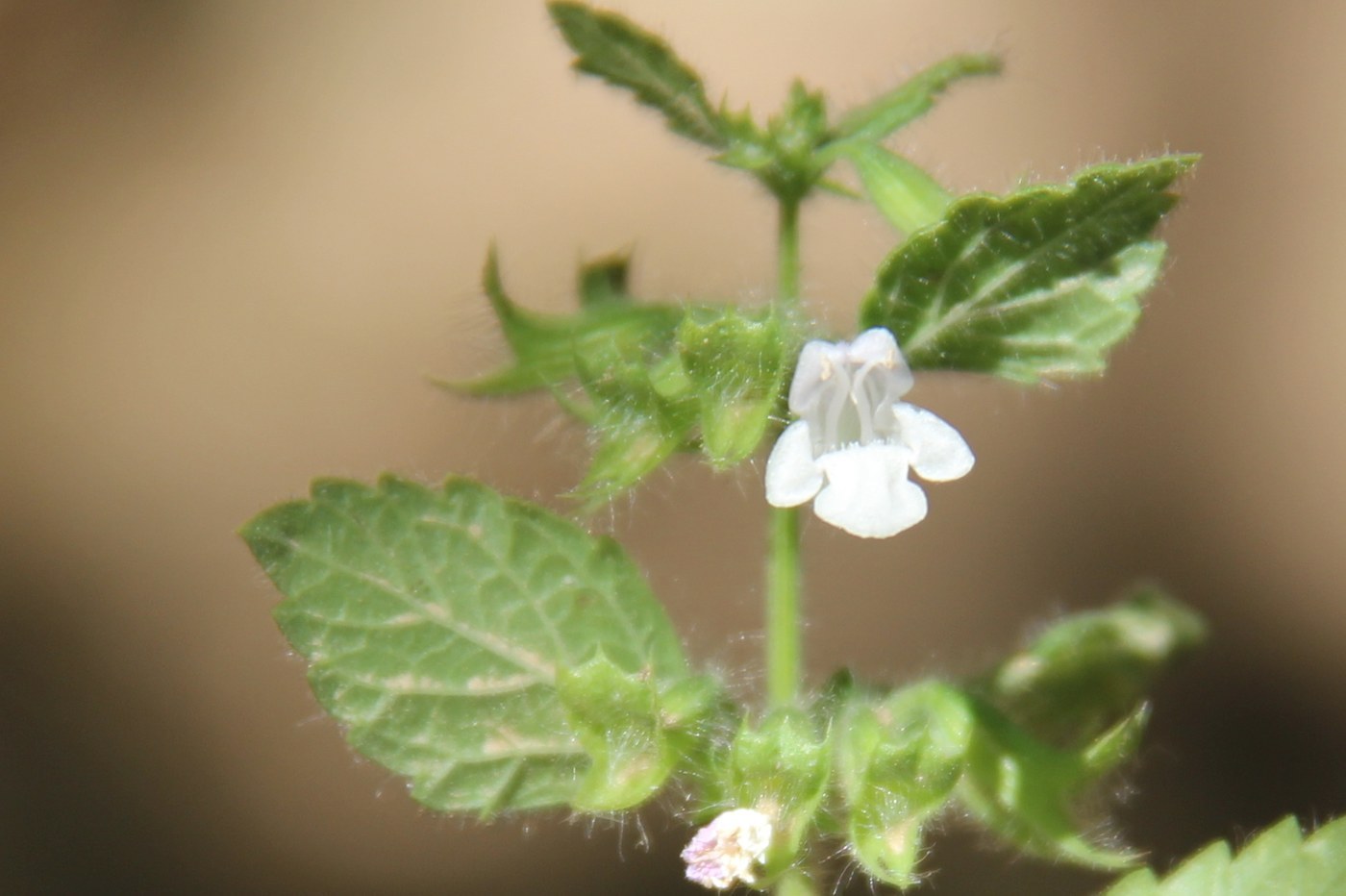
Lemon balm (Melissa officinalis) is a vigorous, clumping member of the mint family prized for its bright green, softly textured foliage and lemon-scented leaves. It is one of the most forgiving herbs to grow, thriving in gardens and containers alike with minimal fuss.
Light
Lemon balm performs best in full sun to part shade. In cooler climates give it as much sun as possible for compact, aromatic growth. In hot regions afternoon shade prevents leaf scorch and keeps foliage lush and green. Grown indoors, place it at a bright south- or west-facing window; leggy, pale stems signal too little light.
Water
Keep the soil evenly moist but never waterlogged. Lemon balm has shallow, fibrous roots that dry out quickly, so water regularly during warm weather and whenever the top inch of soil begins to feel dry. Container plants need more frequent watering than those in the ground. Established plants tolerate short dry spells but will wilt and brown at the leaf edges under prolonged drought.
Soil & Potting
Grow lemon balm in fertile, well-drained soil with plenty of organic matter. It tolerates a wide pH range but favors slightly acidic to neutral soil (around 6.0 to 7.0). In pots use a quality general-purpose potting mix and choose a container at least 8 to 10 inches wide with drainage holes, as the plant spreads readily and fills space quickly.
Humidity & Temperature
This is a temperate perennial hardy through cold winters, dying back to the roots and resprouting in spring. It prefers moderate temperatures and average humidity. Good air circulation is important, since crowded, humid conditions encourage fungal problems on the dense foliage.
Feeding
Lemon balm is not a heavy feeder. Work compost into the soil at planting and topdress annually. A light application of balanced fertilizer in spring supports fresh growth, but avoid over-feeding, which produces soft, floppy stems with weaker fragrance.
Propagation
Propagate easily by division in spring or fall: lift a mature clump and split it into rooted sections. Stem cuttings root readily in water or moist soil. Seeds germinate in warmth when surface-sown and lightly pressed in, as they need light to sprout. Note that lemon balm self-seeds prolifically and can spread if flower heads are left to mature.
Repotting / Pruning
Cut plants back hard by one-third to one-half after flowering to encourage a flush of fresh, compact foliage and prevent legginess. Shearing also curbs self-seeding. Divide and repot container plants every year or two when the clump becomes crowded and root-bound.
Common Problems & Pests
Lemon balm is largely trouble-free. Powdery mildew and rust can appear in humid, crowded conditions; improve airflow and thin dense growth to prevent them. Occasional aphids, whiteflies, or spider mites may visit; rinse them off or treat with insecticidal soap. Yellowing lower leaves usually indicate overwatering or poor drainage.
Seasonal Care Tips
In spring, divide crowded clumps and refresh the soil with compost. Through summer, water consistently and shear back midseason for tidy regrowth. In fall, cut spent stems and mulch lightly in cold climates. The plant goes dormant in winter and reliably returns in spring.
Frequently asked questions
Why is my lemon balm getting leggy and floppy?
Legginess is usually caused by too little light or over-feeding. Move it to a brighter spot and shear the plant back by a third to promote dense, bushy regrowth.
Can I grow lemon balm indoors?
Yes. Give it a bright window with several hours of direct light, keep the soil evenly moist, and trim regularly to keep it compact and productive.
How do I keep lemon balm from spreading everywhere?
Shear off flower heads before they set seed, since self-seeding is the main way it spreads. Growing it in a container also keeps its roots contained.
How often should I water lemon balm?
Keep the soil evenly moist, watering whenever the top inch dries out. Container plants often need watering every day or two in hot weather.
Lemon Balm identified by the community
Recent Lemon Balm specimens identified with Plant Identifier.