Lemon Balm
Melissa officinalis
Lemon balm is a vigorous, lemon-scented perennial herb in the mint family, loved as a magnet for bees. It grows easily and can spread enthusiastically in the garden.
- Light
- Full sun to part shade
- Water
- Regular; keep evenly moist
- Difficulty
- Easy
Got a plant like this?
Identify any plant from a photo, free.
Overview
Lemon balm is a hardy herbaceous perennial in the mint family (Lamiaceae), known for its bright, lemony fragrance released when the leaves are brushed or crushed. The genus name Melissa is Greek for 'honeybee', reflecting its long history as a bee plant.
It forms a leafy clump 30-70 cm (1-2 ft) tall with toothed, heart-shaped green leaves. Like its mint relatives it is vigorous and can self-seed or spread, though it grows in a clump rather than running by aggressive rhizomes.
How to identify it
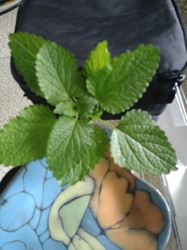
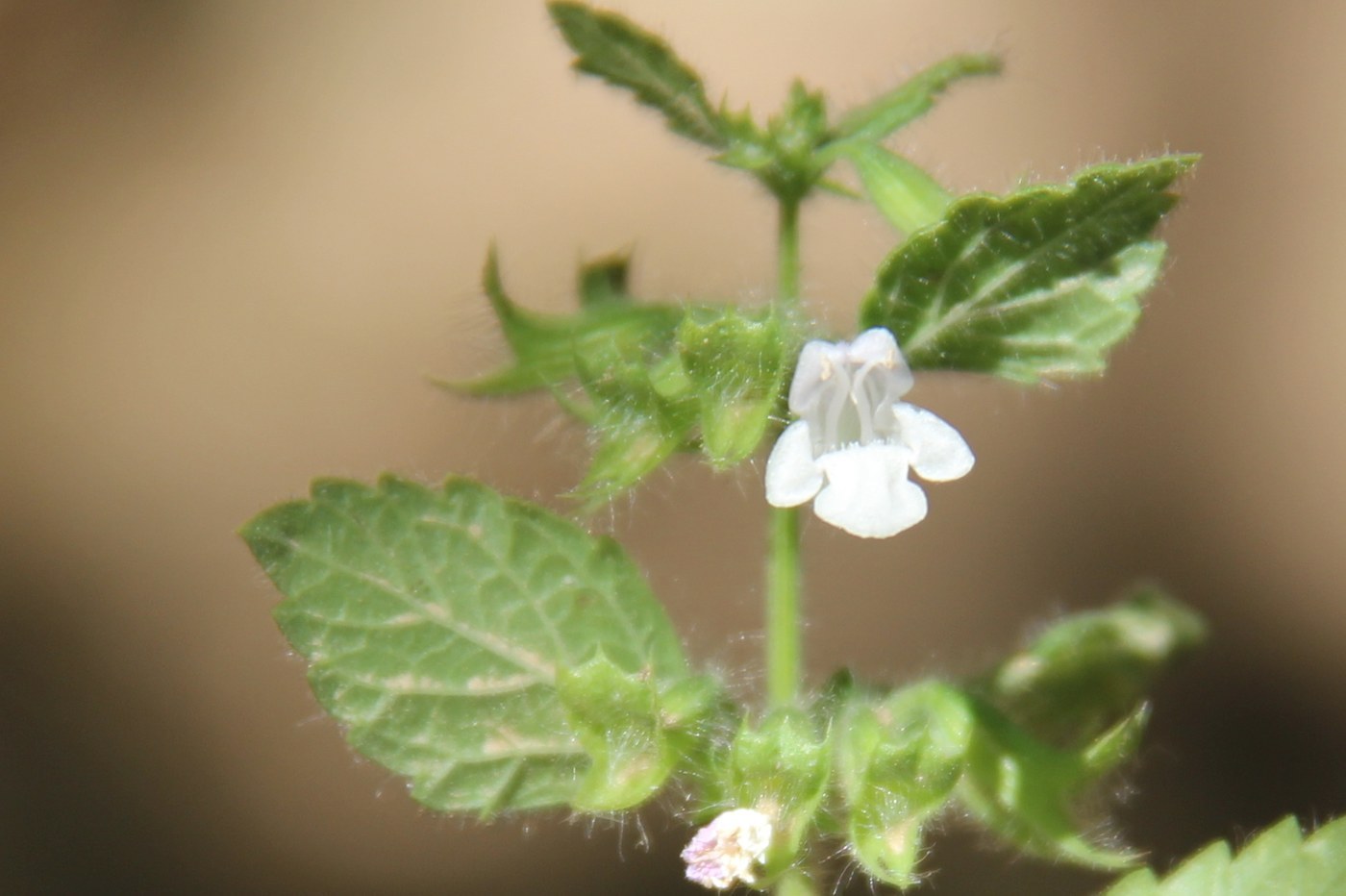
- Leaves: Heart-shaped to oval, deeply veined and toothed, bright green and slightly wrinkled, in opposite pairs
- Aroma: Strong fresh lemon scent when crushed
- Habit: Bushy upright clump 30-70 cm tall
- Stems: Square, branching, typical of the mint family
- Flowers: Small, two-lipped, white to pale yellow in leaf axils, very attractive to bees
Care & growing
- Light: Full sun to partial shade; afternoon shade is welcome in hot climates
- Water: Regular watering to keep soil evenly moist; it wilts quickly when dry
- Soil: Adaptable, but prefers moist, fertile, well-drained soil
- Temperature: Very hardy, roughly USDA zones 4-9; dies back in winter and regrows in spring
- Feeding: Light; over-feeding produces lush but less aromatic growth
- Propagation: Easily from seed, division or cuttings; deadhead flowers to limit self-seeding
Habitat & origin
Lemon balm is native to south-central Europe, the Mediterranean basin, Central Asia and Iran, where it grows in woodland edges, scrub and along streams. It has been cultivated for over 2,000 years and has naturalized widely across temperate regions, including much of North America.
It is commonly grown in herb gardens, containers and pollinator plantings, and can become weedy if allowed to self-seed freely.
Frequently asked questions
Is lemon balm invasive like mint?
It spreads mainly by self-seeding rather than aggressive runners, so it is less invasive than true mints. Deadheading the flowers keeps it in check, but it can still naturalize.
Does lemon balm come back every year?
Yes, it is a hardy perennial in zones 4-9 that dies back in winter and re-emerges in spring.
How do I keep lemon balm bushy?
Pinch or cut it back regularly, especially before it flowers. Cutting it down hard in midseason produces fresh, fragrant new growth.
Lemon Balm guides
In-depth guides for identifying, growing, and caring for Lemon Balm.
How to Care for Lemon Balm
Grow lush, lemon-scented Melissa officinalis with easy care: full sun to part shade, steady moisture, and regular cutting back to keep it bushy.
Lemon Balm Identification Guide
Recognize lemon balm by its strong lemon scent, wrinkled heart-shaped toothed leaves, and square mint-family stems, and distinguish it from mint and catnip.
Lemon Balm identified by the community
Real specimens identified with Plant Identifier.