Lemon Balm Identification Guide
Recognize lemon balm by its strong lemon scent, wrinkled heart-shaped toothed leaves, and square mint-family stems, and distinguish it from mint and catnip.
Read the full Lemon Balm encyclopedia entry →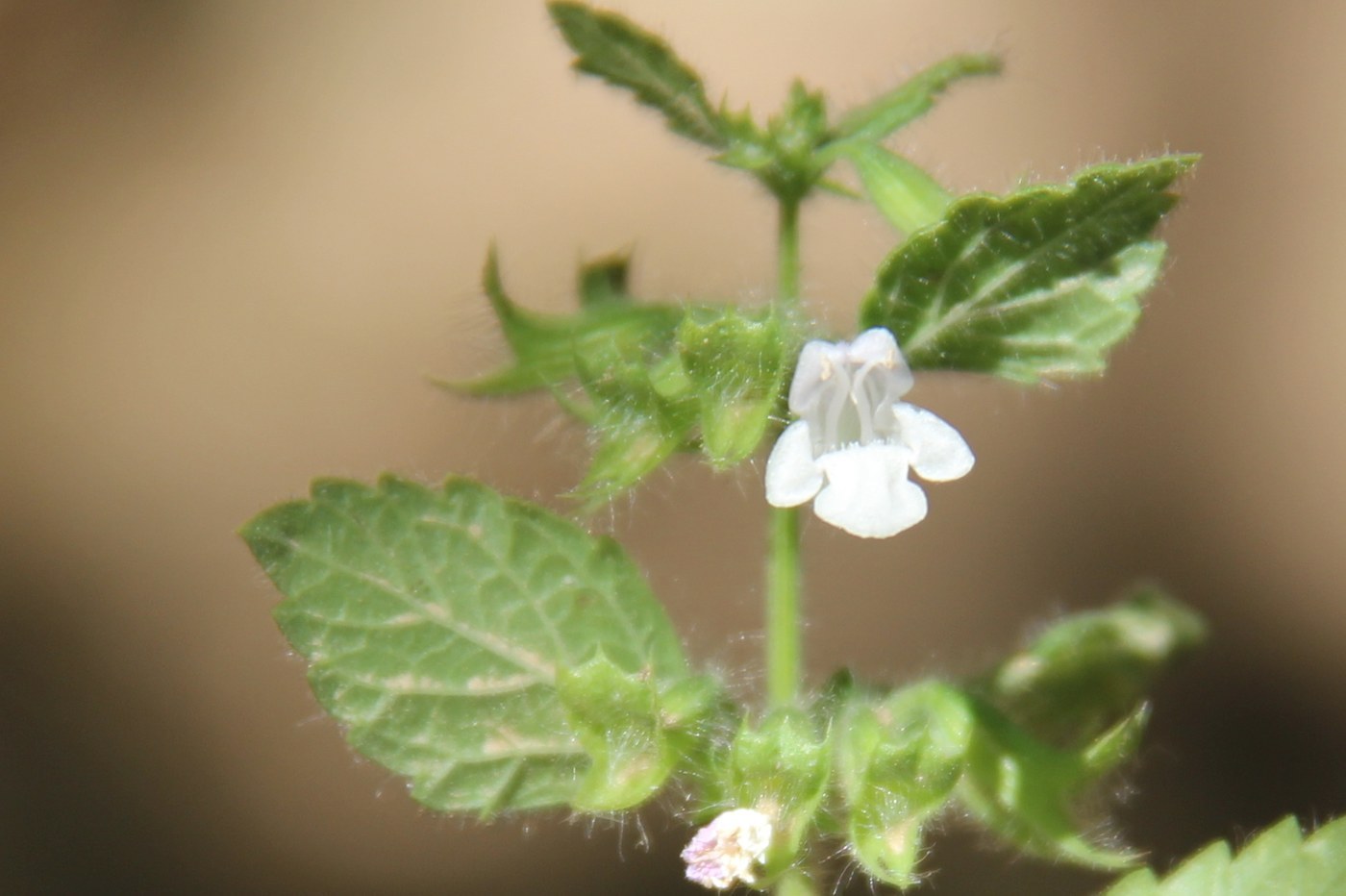
Key Identifying Features
Lemon balm (Melissa officinalis) is a bushy perennial herb in the mint family (Lamiaceae). The single most reliable identifier is its strong, sweet lemon scent released when you crush a leaf — far more citrusy than peppermint or catnip. The plant forms a leafy mound and spreads readily.
- Bushy clump 30–80 cm (1–2.5 ft) tall
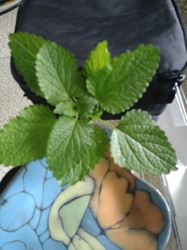
- Bright green, wrinkled, heart-shaped to oval leaves with scalloped/toothed edges
- Square stems (mint family)
- Powerful lemon fragrance when bruised
Leaves & Stems
Lemon balm leaves are 2–8 cm long, ovate to heart-shaped, with a deeply wrinkled (rugose), textured surface and scalloped or coarsely toothed margins. They grow in opposite pairs along square, branching stems, sometimes with fine hairs. The veins are sunken, giving the leaf a quilted look. The whole plant is soft and leafy rather than woody.
Flowers & Fruit
From summer onward, small two-lipped flowers appear in clusters at the leaf axils (where leaf meets stem). They start white or pale yellow, sometimes turning pale lilac. The flowers are inconspicuous but highly attractive to bees — the genus name Melissa means "honeybee" in Greek. Tiny nutlets follow.
How to Tell It Apart from Look-Alikes
- Mints (Mentha): also square-stemmed and aromatic, but smell of mint/menthol, not lemon, and have narrower or smoother leaves; mints spread aggressively by runners.
- Catnip (Nepeta cataria): has grayish, downy heart-shaped leaves and a musky minty smell, not lemon.
- Stinging nettle: superficially similar toothed leaves but stings, has no lemon scent, and grows taller and more upright.
The lemon aroma combined with quilted heart-shaped toothed leaves and square stems is conclusive.
Where You'll Find It
Native to southern Europe, the Mediterranean, and western Asia, lemon balm is widely grown in herb gardens and has naturalized in temperate regions. It thrives in part shade to full sun and moist soil, often appearing along garden edges, roadsides, and waste ground where it has escaped cultivation. It self-seeds and spreads vigorously.
Quick ID Checklist
- Strong lemon scent when leaves are crushed
- Wrinkled, heart-shaped, toothed leaves in opposite pairs
- Square stems
- Small white-to-yellowish flowers in leaf axils
- Bushy, leafy mounding habit
If a leafy mint-relative smells unmistakably of lemon and has quilted, scalloped, heart-shaped leaves, it's lemon balm.
Frequently asked questions
How do I know it's lemon balm and not mint?
Crush a leaf: lemon balm smells strongly of lemon, while mint smells of menthol. Lemon balm also has wrinkled, heart-shaped, scalloped leaves, whereas most mints have smoother, narrower leaves and spread by underground runners.
Does lemon balm have square stems?
Yes. As a member of the mint family, lemon balm has distinctly four-sided (square) stems, with leaves arranged in opposite pairs.
What do lemon balm flowers look like?
They are small, two-lipped, and white to pale yellow (sometimes turning lilac), clustered where the leaves meet the stem. They are modest but very attractive to bees.
Could lemon balm be confused with stinging nettle?
The toothed leaves look somewhat similar, but lemon balm has a clear lemon scent and does not sting, while nettle has stinging hairs and no citrus aroma.
Lemon Balm identified by the community
Recent Lemon Balm specimens identified with Plant Identifier.