
How to Care for Lemon Myrtle
Grow lush, citrus-scented Backhousia citriodora with full sun, steady moisture, and frost protection for glossy evergreen foliage.
Read the full Lemon Myrtle encyclopedia entry →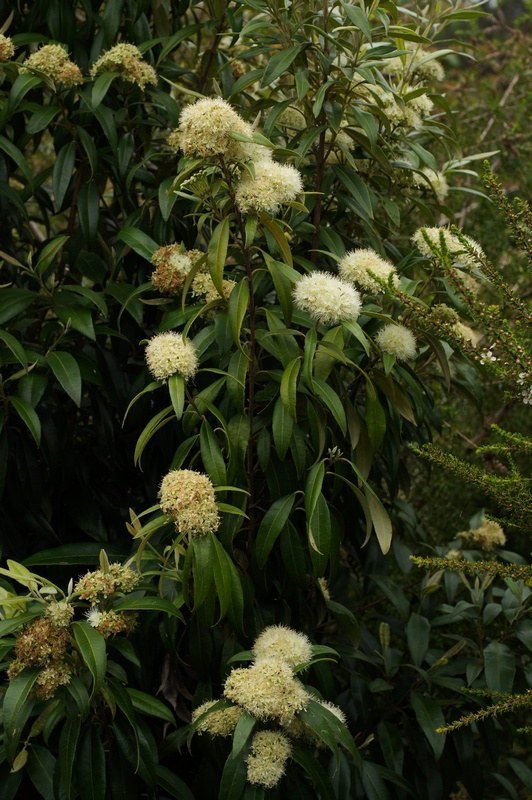
Lemon myrtle (Backhousia citriodora) is a handsome Australian evergreen tree grown for its dense, glossy foliage and clusters of creamy summer flowers. It is a moderate grower that rewards warmth, sun, and consistent moisture with a compact, aromatic canopy.
Light
Give lemon myrtle full sun to bright partial shade. In hot climates a little afternoon shade keeps foliage from scorching, but the plant is fullest and most compact in strong light. Indoors, place it at the brightest window available and rotate the pot for even growth.
Water
Water regularly to keep the soil evenly moist but never waterlogged. Young plants especially need steady moisture while establishing; let only the top of the soil begin to dry between waterings. Deep, less frequent soakings encourage a strong root system. Reduce frequency in cool weather when growth slows.
Soil & Potting
Plant in a rich, well-draining loam with plenty of organic matter. A slightly acidic to neutral pH suits it best. In containers use a quality potting mix lightened with perlite or bark for drainage, and always choose a pot with drainage holes to prevent standing water at the roots.
Humidity & Temperature
Lemon myrtle thrives in warm, frost-free conditions and appreciates moderate to high humidity. It is tender to frost, so in cooler regions grow it in a container that can move indoors or under cover for winter. Protect from cold, drying winds.
Feeding
Feed during the warm growing season with a balanced slow-release fertilizer or a native-friendly formula low in phosphorus. Light, regular feeding supports the flush of new foliage. Ease off feeding through the cooler months.
Propagation
Propagate from semi-hardwood cuttings taken in warm weather; treat the base with rooting hormone and keep in a humid, warm environment until roots form. Seed is possible but slower and more variable. Cuttings from a good parent keep foliage quality consistent.
Repotting / Pruning
Repot container plants every couple of years or when roots fill the pot, moving up one size. Lemon myrtle responds well to pruning and can be shaped into a shrub, hedge, or small tree; tip-prune young plants to build density and trim after flowering to maintain form.
Common Problems & Pests
Watch for myrtle rust, a fungal disease that can affect this family, appearing as yellow to orange pustules on new growth; remove and dispose of affected material and improve air circulation. Scale and mealybugs may appear on stressed indoor plants. Yellowing leaves often signal overwatering or poor drainage.
Seasonal Care Tips
Drive strong growth in spring and summer with regular water and feeding. In autumn, taper watering and feeding as growth slows. In winter, protect from frost and keep the soil just moist, resuming the normal routine as warmth returns.
Frequently asked questions
Can I grow lemon myrtle indoors?
Yes. Give it the brightest spot you have, keep the soil evenly moist, provide moderate humidity, and rotate the pot for even, compact growth.
Why are the leaves developing orange spots?
That can indicate myrtle rust, a fungal disease affecting this plant family. Remove affected foliage, improve airflow, and avoid wetting the leaves when watering.
How big does lemon myrtle get?
In the ground and ideal conditions it can become a small tree, but with regular pruning it is easily kept as a compact shrub or hedge and stays much smaller in a container.
Is lemon myrtle frost hardy?
No, it is tender to frost. In cool climates grow it in a pot you can move indoors or under cover before the first frosts.