How to Care for Lemon Tree
Grow a glossy, fragrant lemon tree indoors or out with full sun, steady moisture, and citrus feeding.
Read the full Lemon Tree encyclopedia entry →
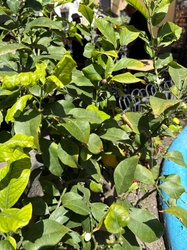
The lemon tree (Citrus limon) is an evergreen, glossy-leaved subtropical that rewards attentive growers with fragrant white blossoms and ornamental fruit. It is a moderate-difficulty plant that thrives with bright light, consistent moisture, and regular feeding.
Light
Lemon trees are sun-lovers and need the brightest position you can offer. Outdoors, give them full sun with at least 8 hours of direct light. Indoors, place the tree at a south- or west-facing window; if natural light is weak in winter, supplement with a strong full-spectrum grow light for 12-14 hours a day. Insufficient light produces leggy, sparse growth and few blossoms.
Water
Keep the soil evenly moist but never waterlogged. Water thoroughly until it drains from the bottom, then let the top inch of soil dry before watering again. Citrus dislikes sitting in soggy soil, which invites root rot, but it also drops leaves and fruit if allowed to dry out completely. In warm, active growth the tree may need watering several times a week; in winter, reduce frequency noticeably.
Soil & Potting
Use a fast-draining, slightly acidic mix (pH around 6 to 6.5). A blend of quality potting soil with added perlite, coarse sand, or a dedicated citrus/cactus mix works well. Always choose a container with generous drainage holes. Terracotta pots help wick excess moisture and are a good choice for growers who tend to overwater.
Humidity & Temperature
Lemon trees prefer warm conditions, ideally 55-85F (13-29C), and should be protected from frost, which can damage or kill them. Bring container trees indoors before the first freeze. They appreciate moderate humidity; indoor heating can dry the air, so mist occasionally or set the pot on a pebble tray. Avoid cold drafts and hot heating vents.
Feeding
Citrus are heavy feeders. Use a fertilizer formulated for citrus, rich in nitrogen and including micronutrients like magnesium, iron, and zinc. Feed every 4-6 weeks during the active growing season (spring through early fall) and reduce or stop in winter. Yellowing leaves with green veins often signal a micronutrient deficiency that a good citrus feed will correct.
Propagation
Lemon trees are most reliably propagated from semi-hardwood cuttings taken in late spring or summer. Take a 4-6 inch cutting, remove lower leaves, dip in rooting hormone, and insert into a moist, well-draining medium kept warm and humid. Grafting is the commercial standard for reliable performance. Seed-grown trees are possible but slow and variable, often taking many years to reach flowering size.
Repotting / Pruning
Repot young trees every 2-3 years in spring, moving up one pot size; mature trees can be top-dressed instead. Prune lightly to shape the canopy, remove crossing or dead branches, and improve airflow. Remove any suckers that sprout below the graft union. Pinching back tips encourages a bushier form.
Common Problems & Pests
Watch for aphids, spider mites, scale, and mealybugs, especially indoors. Treat infestations with insecticidal soap or horticultural oil. Leaf drop usually points to sudden temperature swings, drafts, over- or under-watering. Yellowing leaves can indicate overwatering or nutrient deficiency. Sooty mold on leaves signals a sap-sucking pest problem beneath it.
Seasonal Care Tips
In spring, resume feeding and repot if needed as growth accelerates. Summer is peak growth; keep watering consistent and consider moving container trees outdoors to a sunny, sheltered spot. In fall, taper feeding and prepare to bring the tree indoors before frost. In winter, reduce watering, keep the tree in the brightest possible spot, and protect it from cold drafts.
Frequently asked questions
Why are my lemon tree's leaves turning yellow?
Yellowing most often comes from overwatering, poor drainage, or a nutrient deficiency. Check that the soil drains freely and let the top inch dry between waterings, then feed with a citrus fertilizer containing iron and magnesium if leaves yellow between green veins.
How much sun does a lemon tree need?
As much as possible. Give at least 8 hours of direct sun outdoors, or place it at your brightest south- or west-facing window indoors. Supplement with a grow light in winter if natural light is limited.
Why is my lemon tree dropping its leaves?
Leaf drop is usually a stress response to cold drafts, sudden temperature changes, or inconsistent watering. Keep it in a stable, warm spot away from heating vents and cold windows, and water on a steady schedule.
Can I grow a lemon tree indoors?
Yes. Dwarf citrus varieties do well in containers indoors as long as they get very bright light, warm temperatures, consistent moisture, and regular citrus feeding. A grow light greatly helps through dark winter months.
Lemon Tree identified by the community
Recent Lemon Tree specimens identified with Plant Identifier.