Lemon Tree
Citrus limon
The lemon is a small evergreen citrus tree grown for its fragrant yellow fruit. Glossy leaves, perfumed white blossom and year-round fruit make it a favorite for warm gardens and sunny containers.
- Light
- Full sun
- Water
- Keep evenly moist; let top inch dry between waterings
- Difficulty
- Moderate
Got a plant like this?
Identify any plant from a photo, free.
Overview
The lemon is a small evergreen tree in the rue family, thought to be a hybrid of citron and bitter orange that originated in Asia. It is now one of the most widely grown citrus fruits in the world.
The tree is attractive year-round, with glossy evergreen leaves, intensely perfumed white-and-purple-tinged blossom, and the ability to carry flowers and fruit at the same time.
In cool climates, lemons — especially the hardier Meyer lemon — are popular container plants that can be moved to a sunny spot outdoors in summer and sheltered indoors over winter.
How to identify it
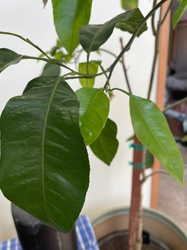
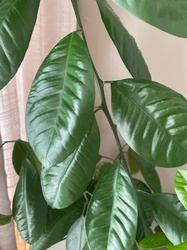
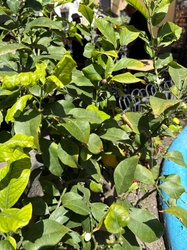
- Leaves: Glossy, elliptical, finely toothed evergreen leaves, fragrant when crushed; reddish when young
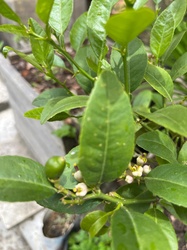
- Flowers: Strongly fragrant white flowers, often tinged purple on the outside
- Fruit: Oval yellow fruit with a nippled end and thick aromatic rind
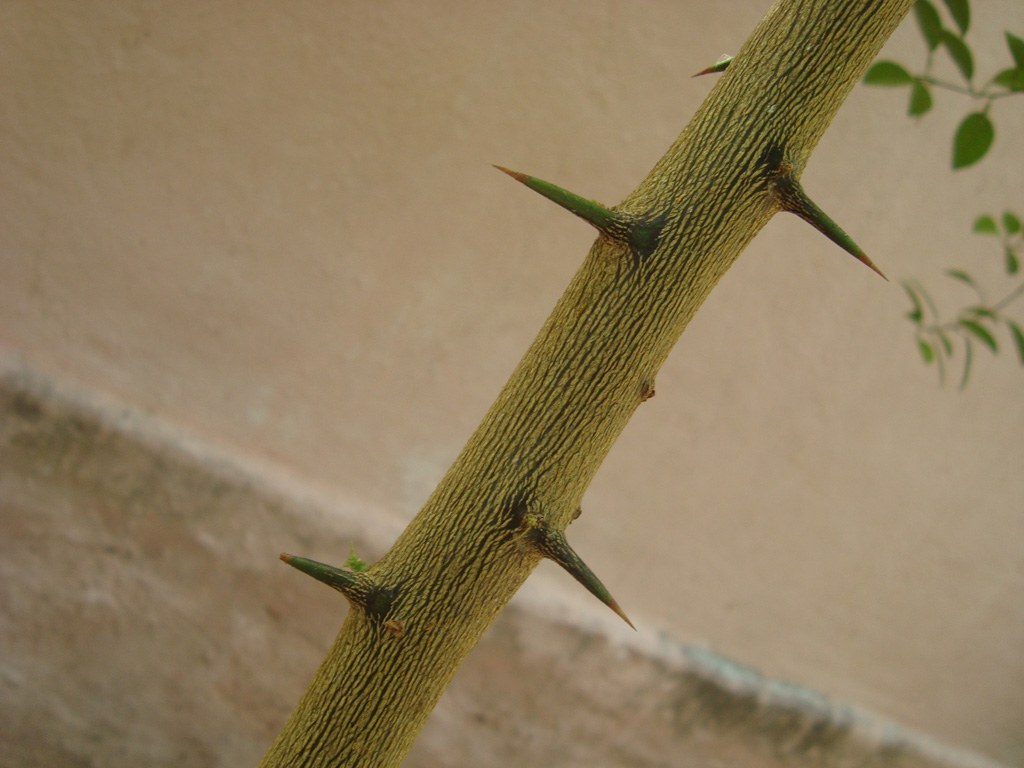
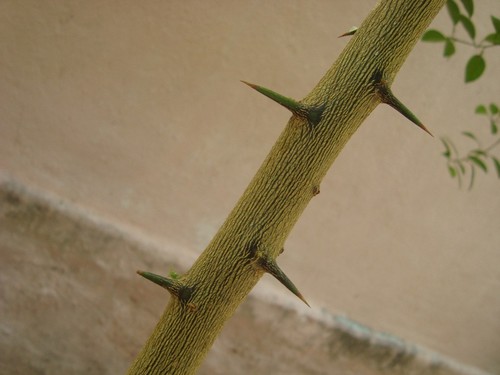
- Stems: Often bearing sharp thorns
- Size: Typically 3–6 m (10–20 ft) in the ground; much smaller in pots
- Habit: Small, open-crowned evergreen tree or shrub
Care & growing
Light: Full sun — at least 6–8 hours; the more light, the better the fruit. Indoors, place in the brightest window or use grow lights.
Water: Keep soil evenly moist but never soggy; let the top inch dry before watering again. Erratic watering causes leaf and fruit drop.
Soil: Well-draining, slightly acidic potting mix or soil; citrus hates wet feet.
Temperature: Tender — protect from frost. Most lemons suffer below about -2 °C (28 °F); Meyer lemons are slightly hardier. Ideal range is 13–28 °C (55–85 °F).
Feeding: Feed regularly during the growing season with a citrus-specific fertilizer high in nitrogen and including micronutrients like iron and magnesium.
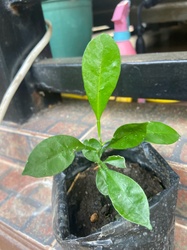
Propagation: Usually grafted; can be grown from cuttings or seed, though seedlings are slow and variable.
Habitat & origin
The lemon originated in Asia, likely northeastern India, Myanmar or China, as a hybrid of earlier citrus species, and spread westward through the Middle East and Mediterranean.
Today lemons are grown commercially in subtropical and Mediterranean climates worldwide, including Italy, Spain, the United States (California, Arizona, Florida), Argentina and India. As ornamental and container plants, they are popular far beyond their hardiness range, kept on patios in summer and overwintered indoors in cold regions.
Frequently asked questions
Why are my lemon tree's leaves dropping?
Leaf drop is usually caused by stress — inconsistent watering, sudden temperature changes, drafts, or moving the plant. Keep conditions stable, water evenly, and provide bright light.
Can I grow a lemon tree indoors?
Yes, especially dwarf or Meyer lemons. They need the brightest possible window or grow lights, good drainage, regular citrus feed and protection from cold drafts.
Why is my lemon tree flowering but not setting fruit?
Indoor trees may lack pollinators — hand-pollinate by transferring pollen between flowers with a small brush. Young trees, low light, or nutrient deficiencies can also reduce fruit set.
How cold can a lemon tree tolerate?
Lemons are frost-tender. Most are damaged below about -2 °C (28 °F); protect or bring potted trees indoors when frost threatens. Meyer lemons are a bit more cold-tolerant.
Lemon Tree guides
In-depth guides for identifying, growing, and caring for Lemon Tree.
How to Care for Lemon Tree
Grow a glossy, fragrant lemon tree indoors or out with full sun, steady moisture, and citrus feeding.
Lemon Tree Identification Guide
Identify the lemon tree by its glossy aromatic evergreen leaves, sharp thorns, fragrant white-and-purple blossoms, and the unmistakable yellow citrus fruit. Includes tips to tell it from lime, orange, and grapefruit.
Lemon Tree identified by the community
Real specimens identified with Plant Identifier.