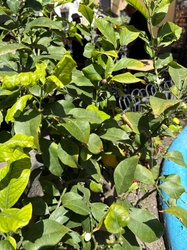
Lemon Tree Identification Guide
Identify the lemon tree by its glossy aromatic evergreen leaves, sharp thorns, fragrant white-and-purple blossoms, and the unmistakable yellow citrus fruit. Includes tips to tell it from lime, orange, and grapefruit.
Read the full Lemon Tree encyclopedia entry →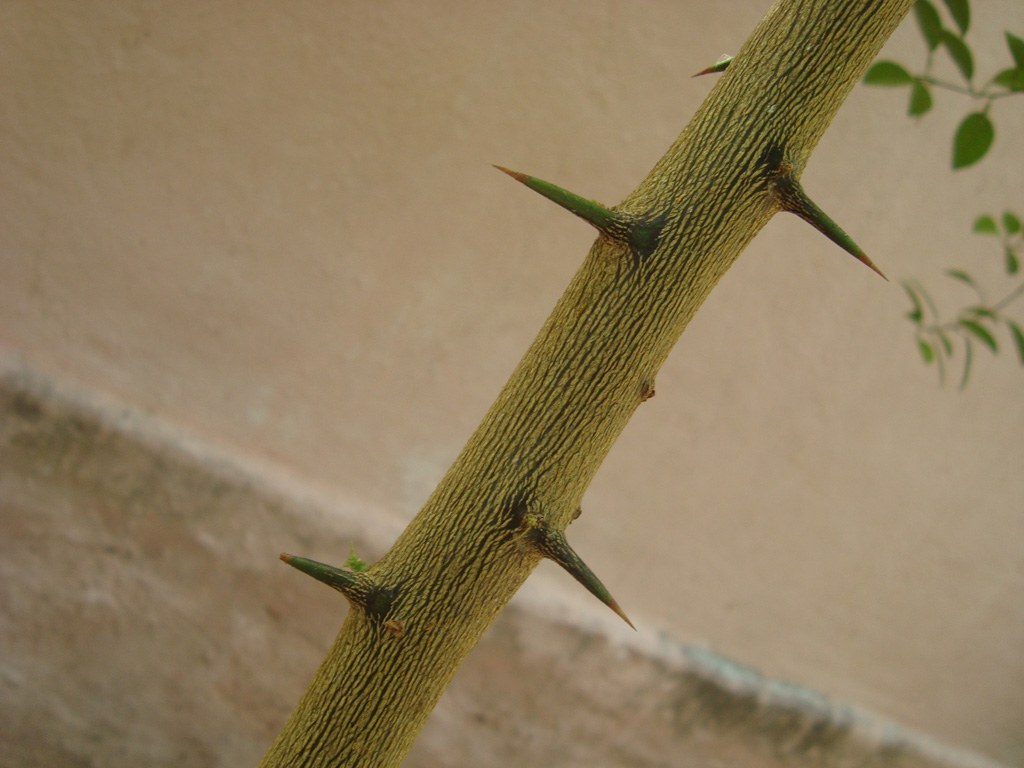
Key Identifying Features
The lemon (Citrus limon) is a small evergreen tree or shrub. The clearest identifiers are the glossy, aromatic leaves that smell of citrus when crushed, sharp thorns along the twigs, and the bright yellow, oval, nipple-tipped fruit. The combination of evergreen citrus-scented foliage, thorns, and fragrant flowers makes it easy to confirm.
- Glossy, leathery, oval leaves that smell of lemon when crushed
- Stiff thorns at the leaf axils
- Fragrant flowers, white inside, purple-tinged outside
- Oval yellow fruit with a protruding nipple at the tip
Leaves & Stems
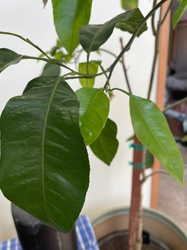
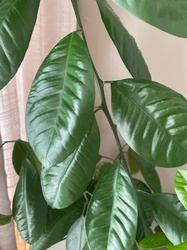
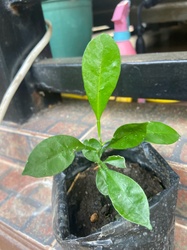
Lemon leaves are alternate, elliptic to oval, 6 to 12 cm long, with a finely toothed margin and a pointed tip. They are dark glossy green above, paler below, and dotted with oil glands that release a sharp citrus scent when bruised or held to the light. Unlike oranges, lemon leaf stalks (petioles) are only narrowly winged or wingless. Twigs are green when young, angular, and armed with sharp single thorns. Bark on older wood is smooth and grey-brown.
Flowers & Fruit
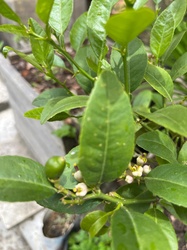
Lemon flowers are strongly fragrant, about 2 to 3 cm across, with five waxy petals that are white on the inside and flushed purple-pink on the outside before opening, surrounding a tuft of yellow stamens. The tree can flower and fruit nearly year-round in mild climates. The fruit is a hesperidium: oval, bright yellow, with a characteristic small nipple (mammilla) at the blossom end, a thick oily rind, and very acidic, pale juice. Seeds are pointed and pale.
How to Tell It Apart from Look-Alikes
- Lime: smaller, rounder fruit that stays green to yellow-green; leaves smaller; flowers typically all white without strong purple tinge.
- Orange (sweet): rounder fruit, no terminal nipple, sweeter, and leaf petioles are noticeably winged; flowers pure white.
- Grapefruit: much larger fruit, broadly winged petioles, and large leaves.
- Citron: very large, knobbly, thick-rinded fruit with little juice.
The purple-backed flower buds plus the nipple-tipped yellow fruit plus near-wingless petioles distinguish lemon from its citrus cousins.
Where You'll Find It
Lemons grow in subtropical and Mediterranean climates: California, the Mediterranean basin, Latin America, South Asia, and Australia. They are frost-sensitive and favor full sun and well-drained soil. Look for them in home gardens, orchards, courtyards, and as patio container plants in cooler regions.
Quick ID Checklist
- Evergreen glossy leaves smell of lemon when crushed
- Sharp thorns along green twigs
- Flowers white inside, purple-tinged outside
- Fruit oval, bright yellow, with a nipple at the tip
- Leaf petioles wingless or only narrowly winged
- Thick oily rind dotted with fragrant oil glands
Frequently asked questions
How do I tell a lemon tree from an orange tree?
Look at the flower buds and petioles: lemon buds are purple-tinged outside and its leaf stalks are nearly wingless, while orange flowers are pure white and its petioles are distinctly winged. Lemon fruit also has a pointed nipple at the tip.
Are lemon tree thorns normal?
Yes. Lemon trees, especially young or vigorous ones and seed-grown plants, produce sharp thorns at the leaf axils. It is a normal identifying feature, not a sign of disease.
Why do the leaves smell like lemon?
The leaves are packed with oil glands containing the same aromatic compounds as the fruit rind. Crushing or scratching a leaf releases the scent, a quick way to confirm a citrus.
Can a lemon tree flower and fruit at the same time?
Yes. In mild climates lemons often carry flowers, immature green fruit, and ripe yellow fruit simultaneously, because they bloom in several flushes through the year.
Lemon Tree identified by the community
Recent Lemon Tree specimens identified with Plant Identifier.