
Lettuce Identification Guide
A practical guide to identifying lettuce (Lactuca sativa) by its leaf rosette, milky sap, and distinctive growth forms from loose-leaf to crisphead.
Read the full Lettuce encyclopedia entry →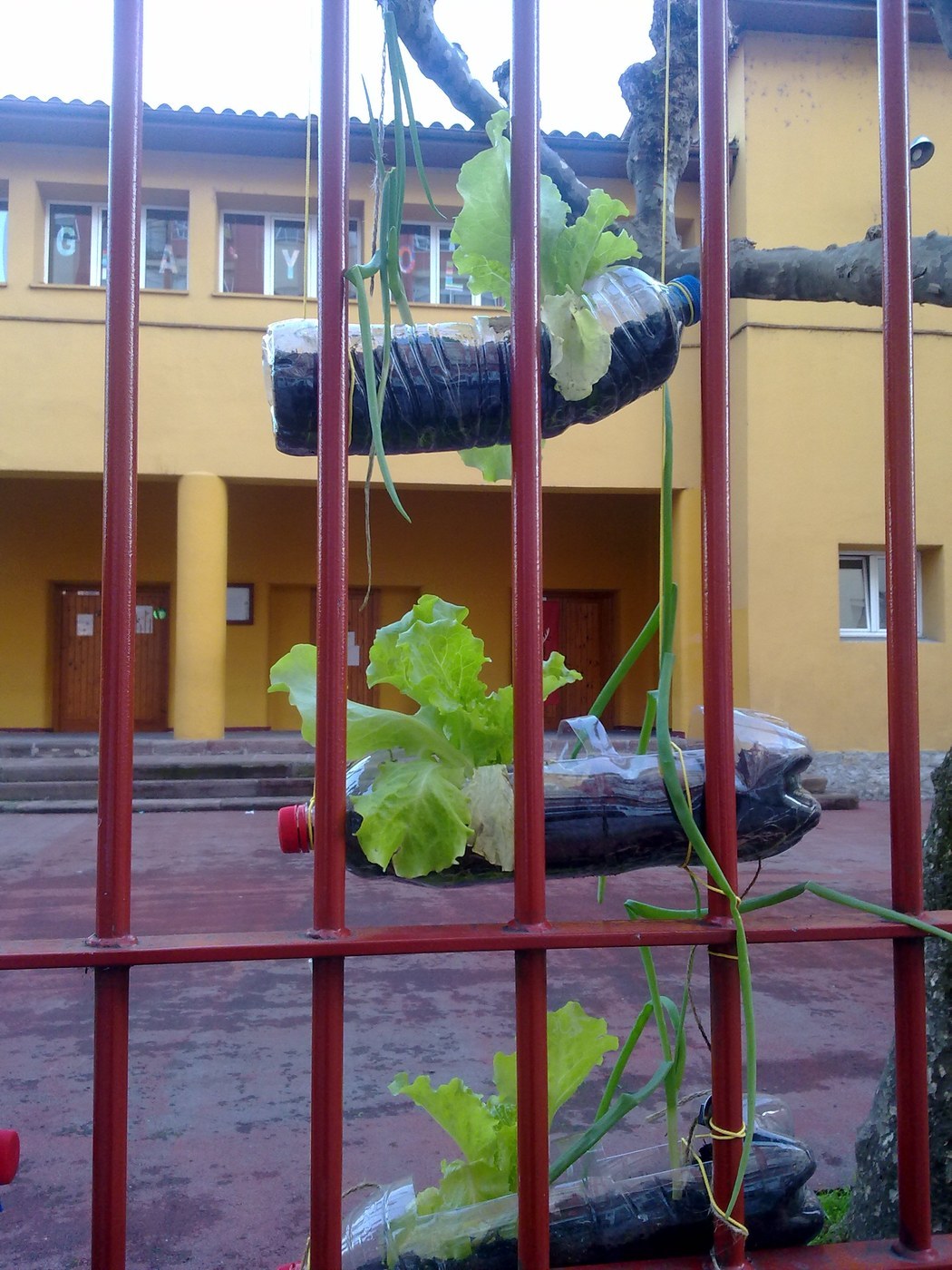
Key Identifying Features
Lettuce (Lactuca sativa) is a leafy annual in the daisy family (Asteraceae). The surest tells are a basal rosette of broad, tender leaves and milky white sap (latex) that bleeds from cut stems and leaf bases. Plants are low and ground-hugging in their leafy stage, rarely more than 30 cm (12 in) tall before bolting.
Leaves & Stems
- Leaves grow from a compressed central stem (crown) at or just above soil level, forming a rosette or tight head.
- Texture ranges from soft and pliable (butterhead) to crisp and ribbed (romaine, crisphead).
- Color spans bright green, blue-green, and red-bronze; margins may be smooth, ruffled, frilled, or oak-lobed depending on variety.
- Snap a leaf or stem and look for milky latex — a reliable family signal that distinguishes it from spinach or chard.
- When bolting, the crown elongates into a tall, leafy flower stalk up to 1 m (3 ft) with smaller, clasping leaves.
Growth Forms
- Loose-leaf: open rosette, no head (e.g., 'Salad Bowl', 'Lollo Rossa').
- Butterhead: loose, soft head with a tender heart (e.g., 'Bibb', 'Boston').
- Romaine/Cos: upright, elongated head of stiff, ribbed leaves.
- Crisphead/Iceberg: dense, cabbage-like ball of pale crisp leaves.
Flowers & Fruit
If left to bolt, lettuce produces small pale-yellow flower heads about 1 cm across, each made of strap-shaped ray florets typical of Asteraceae. These mature into fluffy white pappus-tipped seeds (dandelion-style parachutes).
How to Tell It Apart from Look-Alikes
- Spinach & chard: lack milky sap; spinach leaves are smoother and arrow/oval-shaped.
- Wild lettuce (Lactuca serriola): taller, with prickly midrib spines underneath — a wild relative.
- Endive/escarole (Cichorium): more deeply cut and also exudes milky sap, but leaves are stiffer and the heart is frizzy.
- Cabbage: forms a hard head but has no latex and a thick waxy bloom on the leaves.
Where You'll Find It
Lettuce is a cool-season garden vegetable grown in raised beds, rows, containers, and hydroponic systems worldwide. It thrives in spring and fall, tolerates light frost, and bolts quickly in summer heat. You'll see it in vegetable patches as neat rosettes and in markets as whole heads or bagged leaves.
Quick ID Checklist
- Basal rosette or head of broad, tender leaves
- Milky white sap from cut stems/leaves
- Leaf form matches loose-leaf, butterhead, romaine, or crisphead
- Pale-yellow dandelion-like flowers and fluffy seeds if bolted
Frequently asked questions
How can I be sure a leafy green is lettuce and not spinach?
Break a leaf or stem: lettuce oozes milky white sap, while spinach has clear juice. Lettuce also forms a flatter rosette or head, whereas spinach leaves are smoother and more arrow-shaped.
Why has my lettuce grown tall with a thick central stalk?
That is bolting — the plant is shifting to flower production, usually triggered by heat or long days. Bolted lettuce produces a tall stalk and the leaves toughen, and the small yellow flowers confirm the identification.
How do I tell romaine from iceberg lettuce?
Romaine grows upright and elongated with stiff, ribbed leaves and a tall heart. Iceberg forms a dense, round, cabbage-like ball of pale, very crisp leaves that feel heavy for its size.
What are the main growth forms of lettuce?
Loose-leaf forms an open rosette with no head, butterhead makes a loose soft head, romaine grows tall and upright, and crisphead (iceberg) forms a dense round ball of pale crisp leaves.