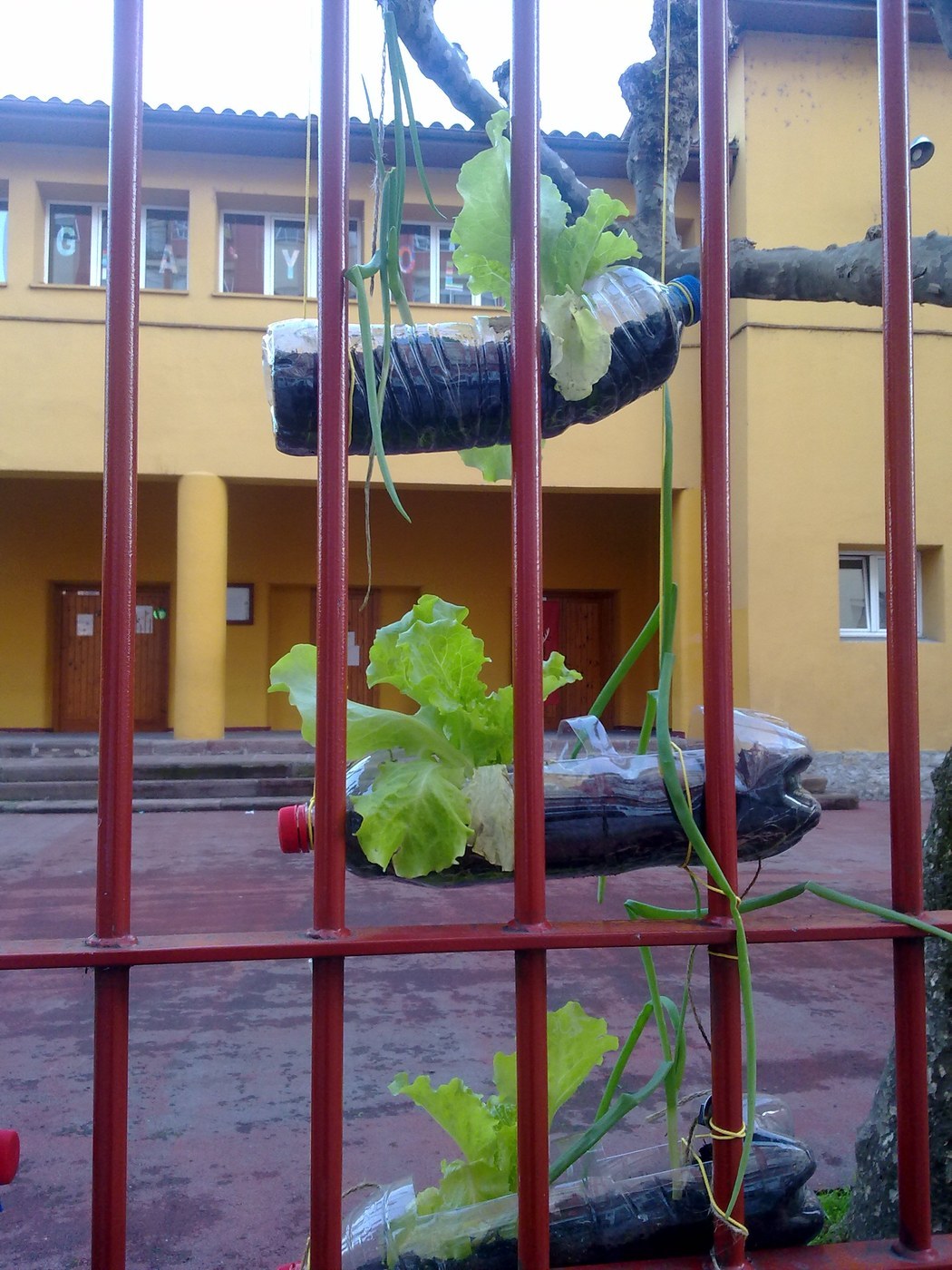
Lettuce
Lactuca sativa
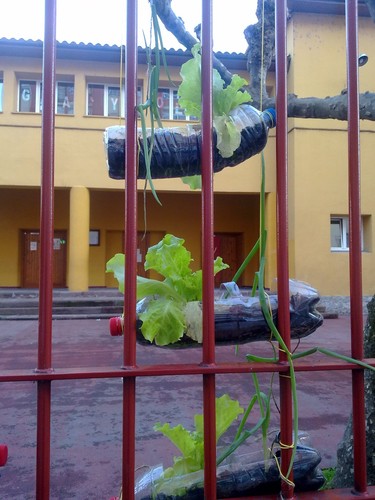
Lettuce is a fast-growing leafy annual in the daisy family, a cool-season garden staple. It comes in loose-leaf, romaine, butterhead, and crisphead types.
- Light
- Full sun to part shade
- Water
- Keep soil consistently moist
- Difficulty
- Easy
Got a plant like this?
Identify any plant from a photo, free.
Overview
Lettuce (Lactuca sativa) is one of the oldest cultivated vegetables, grown for its tender leaves. A member of the Asteraceae (daisy) family, it was domesticated from a wild ancestor in the eastern Mediterranean and ancient Egypt.
It is a cool-season annual that grows quickly, often ready to harvest within 30 to 60 days. Hot weather causes it to bolt (send up a flower stalk), after which the plant is past its prime, so most gardeners sow it in spring and fall.
Main types include loose-leaf, romaine (cos), butterhead, crisphead (iceberg), and stem lettuce. Colors range from pale green to deep red and bronze.
How to identify it
Lettuce forms a low rosette of soft leaves that may be loose or tightly headed depending on the type.
- Leaves: Smooth or frilly, ranging from bright green to red or bronze; slightly milky sap
- Habit: Low rosette, 6 to 12 inches tall before bolting
- Flower stalk: When bolting, a tall central stem appears with small yellow dandelion-like flowers
- Root: Shallow taproot with fibrous side roots
- Seeds: Tiny, attached to feathery white pappus for wind dispersal
Care & growing
Lettuce is forgiving and well suited to beginners and containers.
- Light: Full sun in cool weather; part shade helps prevent bolting in heat
- Water: Keep soil evenly moist; never let it dry out
- Soil: Loose, fertile, well-draining soil rich in organic matter; pH 6.0 to 7.0
- Temperature: Ideal 45 to 65 F; bolts above 75 F
- Feeding: Light feeding with balanced or nitrogen-rich fertilizer for leafy growth
- Propagation: From seed; sow shallowly (1/8 inch) and thin seedlings. Successive sowings give a continuous harvest.
Habitat & origin
Lettuce was domesticated in the Mediterranean basin and Egypt thousands of years ago and has no truly wild form identical to the cultivated plant; its closest wild relative is prickly lettuce (Lactuca serriola).
Today it is grown commercially and in home gardens across every temperate region of the world. It performs best in the cool seasons of spring and autumn, or year-round in mild maritime and highland climates.
Frequently asked questions
How do I keep lettuce from bolting?
Grow it in cool weather, provide afternoon shade in warm climates, water consistently, and choose bolt-resistant varieties for summer plantings.
Can I harvest lettuce more than once?
Yes. With loose-leaf and romaine types you can pick outer leaves repeatedly (cut-and-come-again) and the plant keeps producing from the center.
Is lettuce easy to grow indoors?
Very. Lettuce does well under grow lights and in hydroponic systems because of its shallow roots and tolerance of cooler indoor temperatures.
Lettuce guides
In-depth guides for identifying, growing, and caring for Lettuce.