
How to Care for Leyland Cypress
Grow a fast, dense evergreen screen with Leyland Cypress: full sun, room to spread, and steady water while young.
Read the full Leyland Cypress encyclopedia entry →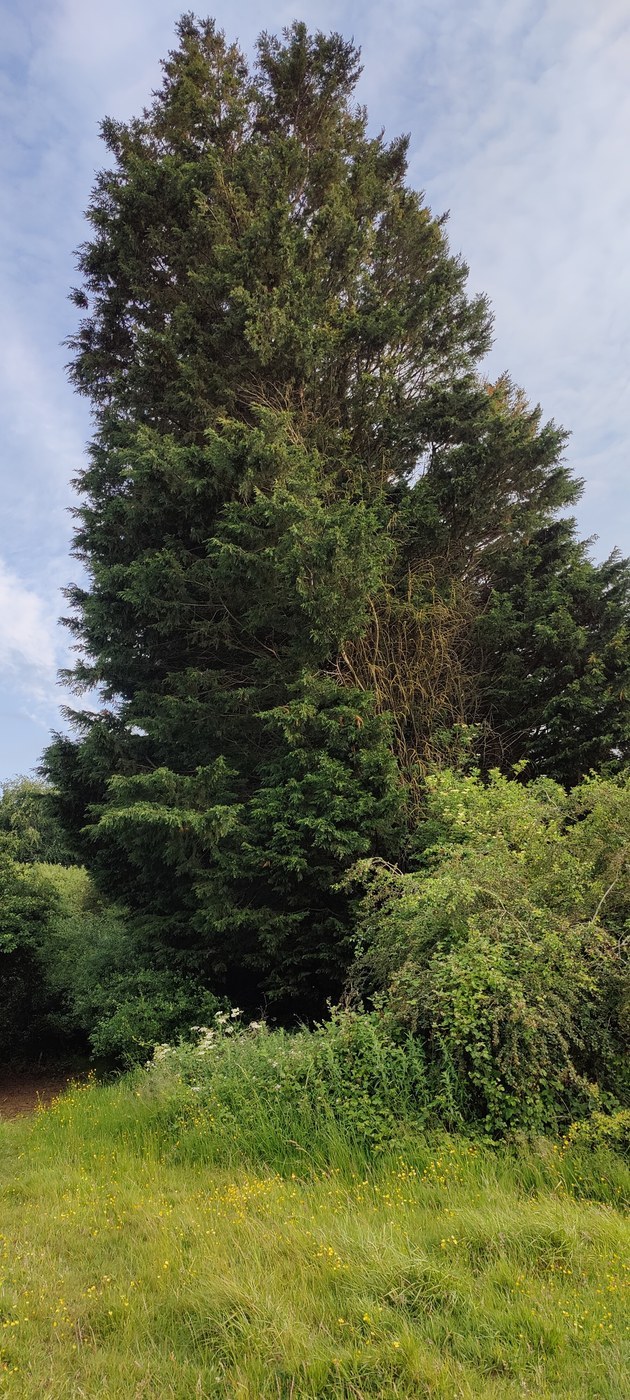
Leyland Cypress (Cuprocyparis leylandii) is a fast-growing evergreen conifer prized for creating tall, dense privacy screens and windbreaks in a single season or two. It is easy to grow when given full sun and enough room, but it demands space and good air circulation to stay healthy long-term.
Light
Plant in full sun for the densest, most uniform growth. Leyland Cypress tolerates partial shade, but plants grown in too much shade thin out, develop bare interiors, and lean toward the light. When planting a hedge, choose a site that gets sun on all sides if possible so each tree fills in evenly rather than growing lopsided.
Water
Water young trees deeply and regularly through their first two growing seasons to establish a strong root system — aim for a slow, soaking watering once or twice a week in the absence of rain. Once established, Leyland Cypress is moderately drought-tolerant and generally needs supplemental water only during prolonged dry spells. Avoid waterlogged sites; the roots resent standing water and are prone to root rot in heavy, poorly drained soil.
Soil & Potting
This conifer adapts to a wide range of soils, from sandy to clay, as long as drainage is reasonable. It performs best in moist, well-drained loam with a slightly acidic to neutral pH. On heavy clay, improve drainage by planting on a slight mound and incorporating organic matter into a wide planting area. A 2–3 inch mulch ring around the base conserves moisture and moderates soil temperature — keep mulch pulled back a few inches from the trunk.
Humidity & Temperature
Leyland Cypress is well suited to temperate climates and is generally hardy from roughly USDA zones 6 through 10. It handles heat and coastal conditions well, tolerating salt spray better than many conifers. In very cold, exposed sites, winter wind and heavy snow or ice loads can damage or split the multiple leaders, so shelter from harsh winter wind helps.
Feeding
Established trees in decent soil need little feeding. For young trees or to push faster screening growth, apply a balanced slow-release tree-and-shrub fertilizer or one formulated for evergreens in early spring. Avoid heavy late-season feeding, which can force tender growth that is vulnerable to winter injury.
Propagation
Leyland Cypress is a sterile hybrid and does not come true from seed, so it is propagated from cuttings. Take semi-hardwood cuttings in late summer to autumn, dip the cut ends in rooting hormone, and insert them into a well-drained, gritty rooting mix. Keep them humid and out of direct sun until roots form, which can take several weeks to a few months.
Repotting / Pruning
Leyland Cypress tolerates shearing well, which makes it popular for formal hedges. Trim in late spring and again in summer to maintain height and width, but never cut back into old, bare wood — unlike many broadleaf shrubs, it will not resprout from leafless brown branches. To keep a hedge manageable, begin shaping while trees are young and maintain a slightly tapered (wider at the base) profile so lower branches receive light. Trees grown in containers quickly become root-bound; pot up to a larger container every year or two while young.
Common Problems & Pests
The most serious issues are fungal: canker diseases (such as Seiridium and Botryosphaeria) cause branch dieback, sunken lesions, and browning flagged foliage, especially on drought-stressed or overcrowded trees. Root rot (Phytophthora) strikes in wet soils. Bagworms and spider mites can also infest plantings. Prevention hinges on good spacing, full sun, adequate air circulation, avoiding drought stress, and promptly pruning out and disposing of diseased branches, cutting well below the affected area and disinfecting tools between cuts.
Seasonal Care Tips
Spring: Apply fertilizer if needed, refresh mulch, and inspect for winter damage and early bagworm activity. Summer: Water during dry spells, shear hedges, and watch for spider mites in hot, dry weather. Autumn: Ideal time for planting and taking cuttings; taper off watering as growth slows. Winter: Brush heavy snow off branches to prevent splitting and, in cold zones, shelter young trees from drying winds.
Frequently asked questions
How fast does Leyland Cypress grow?
It is one of the fastest-growing evergreens, commonly adding 3 to 4 feet of height per year when young and well cared for, which is why it is so popular for quick privacy screens.
How far apart should I plant Leyland Cypress for a hedge?
Space trees about 6 to 10 feet apart. Closer spacing fills in faster but leads to crowding, poor air circulation, and a higher risk of disease as the trees mature.
Can I cut Leyland Cypress back hard to reduce its size?
No. It does not resprout from bare, leafless old wood, so hard pruning into brown interior branches leaves permanent gaps. Only trim into green, foliated growth and keep it shaped from a young age.
Why is my Leyland Cypress turning brown?
Browning is often caused by drought stress, waterlogged roots, or canker disease. Check drainage and watering first, then inspect branches for sunken lesions or oozing, and prune out affected wood promptly.