
How to Care for Liatris
Grow striking Liatris (Blazing Star): full sun, well-drained soil, and minimal fuss for tall purple flower spikes that bloom top-down.
Read the full Liatris encyclopedia entry →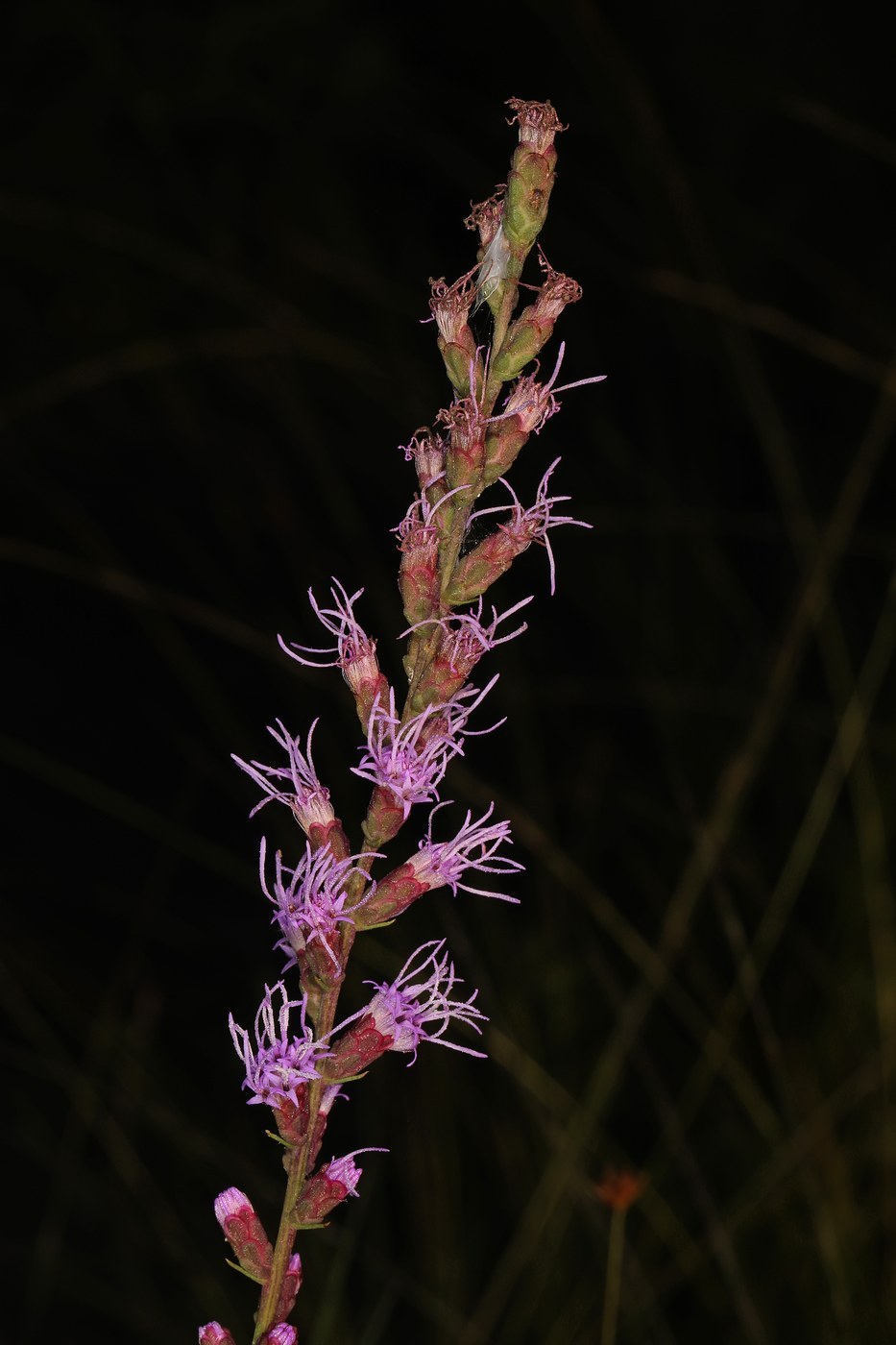
Liatris (Liatris spicata), also called Blazing Star or Gayfeather, is a distinctive prairie perennial that sends up tall, feathery spikes of purple flowers that unusually open from the top downward. It is an easy, drought-tolerant plant that thrives in sunny borders and naturalized meadow plantings.
Light
Grow Liatris in full sun for strong, upright flower spikes and the best bloom. It needs at least six hours of direct sun daily. In too much shade the stems grow weak and lean, and flowering diminishes, so choose an open, sunny position.
Water
Liatris has moderate water needs and is drought-tolerant once established, thanks to its water-storing corm-like roots. Water regularly during the first season and through establishment, then let mature plants rely largely on rainfall. It prefers soil that is moist during active growth but dries between waterings, and it strongly dislikes soggy, waterlogged ground, which rots the corms, especially over winter.
Soil & Potting
Plant in well-drained, average to lean soil. Sharp drainage is critical, particularly in winter, since the corms rot in cold, wet ground. It tolerates sandy and rocky soils and poor fertility well, and actually performs better in lean conditions than in rich, heavy soil. Avoid dense clay unless it is amended for drainage or the plant is set in a raised bed.
Humidity & Temperature
Liatris is a hardy, cold-tolerant prairie native that withstands harsh winters and hot summers alike. It needs no humidity management. Its natural toughness makes it a reliable performer in exposed, sunny sites and dry, low-input gardens.
Feeding
Liatris is a light feeder that needs little fertilizer. A thin layer of compost in spring is plenty in most soils. Over-fertilizing produces tall, weak, floppy stems that need staking, so keep feeding minimal to maintain sturdy, self-supporting spikes.
Propagation
Propagate by dividing the corms in early spring or fall, or by planting dormant corms with the flat side down about two to four inches deep. It can also be grown from seed, which benefits from a period of cold, moist stratification before sowing, though seed-grown plants take a couple of years to bloom.
Repotting / Pruning
Deadhead faded spikes to tidy the plant, or leave them standing for winter interest and self-sowing. Cut stems back to the ground in late fall or early spring. Divide crowded clumps every three to four years in spring to keep them vigorous and to propagate new plants. Tall stems in rich soil may need light staking.
Common Problems & Pests
Liatris is generally trouble-free. The main risk is corm rot from wet, poorly drained soil, especially in winter, so drainage is the key to longevity. In humid conditions it may develop occasional rust or leaf spot; ensure good air circulation. Slugs sometimes nibble young shoots. Floppy stems usually indicate too much shade or over-rich soil rather than pests.
Seasonal Care Tips
Plant corms in spring or fall in a sunny, well-drained spot. Through summer, water during dry spells and enjoy the top-down blooming spikes, which are excellent as cut flowers. In fall, cut back or leave seed heads for winter structure, and ensure the corms will not sit in cold, soggy soil over winter. Divide clumps every few years in spring.
Frequently asked questions
Why are my Liatris stems flopping over?
Weak, floppy Liatris stems are usually caused by too little sun or overly rich, over-fertilized soil. Grow it in full sun and lean, well-drained ground, and skip heavy feeding so the spikes stay sturdy and self-supporting.
Why did my Liatris not come back after winter?
Liatris corms rot in cold, wet, poorly drained soil over winter. Sharp drainage is essential for winter survival. Plant it in well-drained or raised beds and avoid heavy clay that stays soggy in the cold months.
How deep do I plant Liatris corms?
Plant dormant corms flat side down, about two to four inches deep, in a sunny, well-drained spot. Space them several inches apart. They can be planted in spring or fall and will bloom in summer.
Should I cut back Liatris after it blooms?
You can deadhead spent spikes to tidy the plant, or leave them standing for winter interest and self-sowing. Cut the whole plant back to the ground in late fall or early spring, and divide crowded clumps every three to four years.