Liatris
Liatris spicata
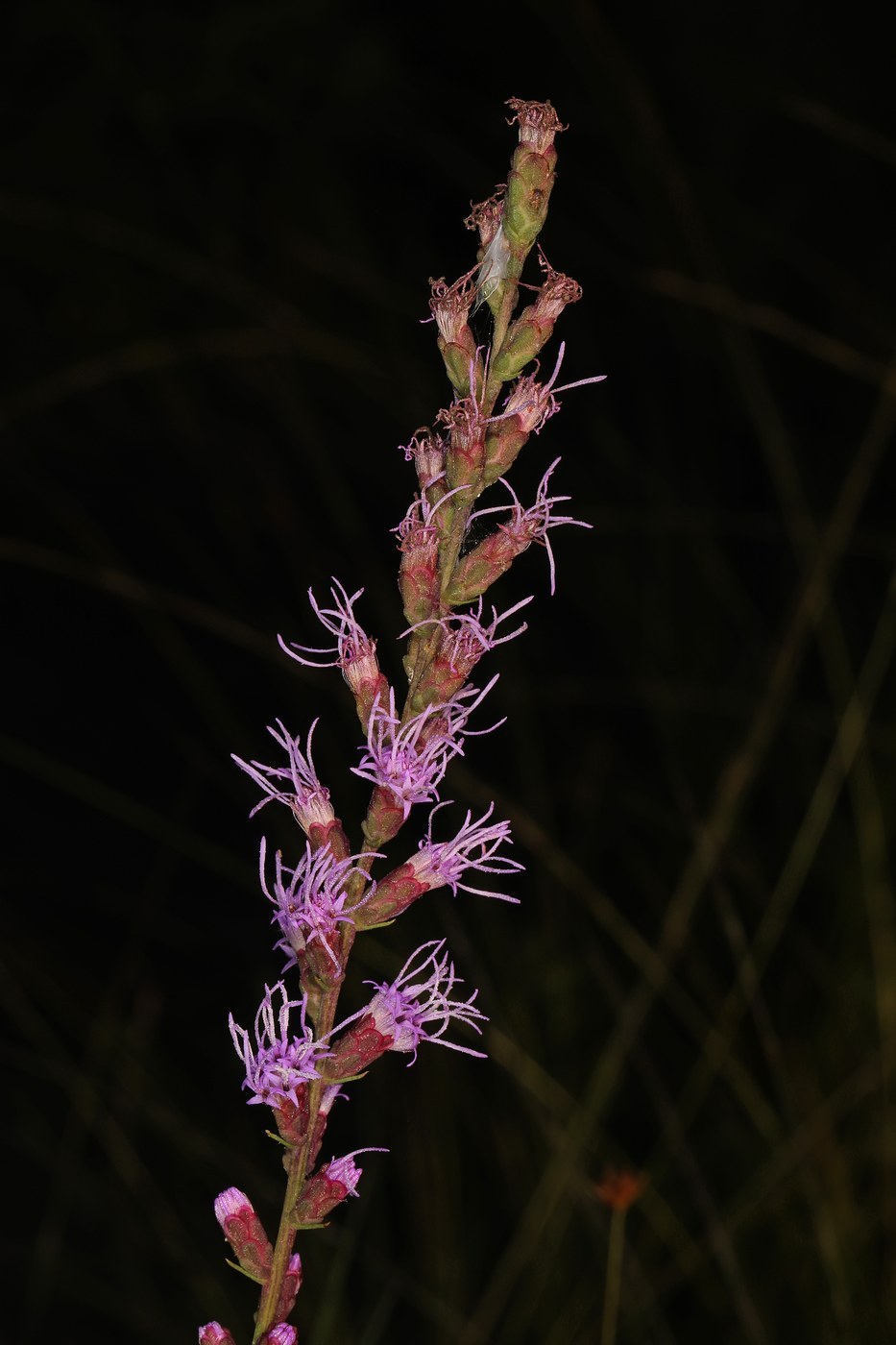
Liatris, also called blazing star or gayfeather, is a native prairie perennial with tall, fuzzy spikes of purple-pink flowers that uniquely open from the top down. A pollinator favorite, it adds vertical drama and butterfly traffic to sunny gardens.
- Light
- Full sun
- Water
- Moderate; drought-tolerant once established
- Difficulty
- Easy
Got a plant like this?
Identify any plant from a photo, free.
Overview
Liatris (Liatris spicata) is a North American prairie perennial in the aster family, instantly recognizable by its slender, feathery flower spikes. Unusually, the tiny flowers open from the top of the spike downward, the reverse of most spike-flowering plants.
It grows from a corm-like rootstock, sending up grassy tufts of narrow leaves topped by erect wands of rosy-purple (occasionally white) blooms in mid to late summer.
Drought-tolerant, deer-resistant, and beloved by butterflies, it is both a garden and cut-flower staple.
How to identify it
Fuzzy purple spikes that bloom top-down are the signature.
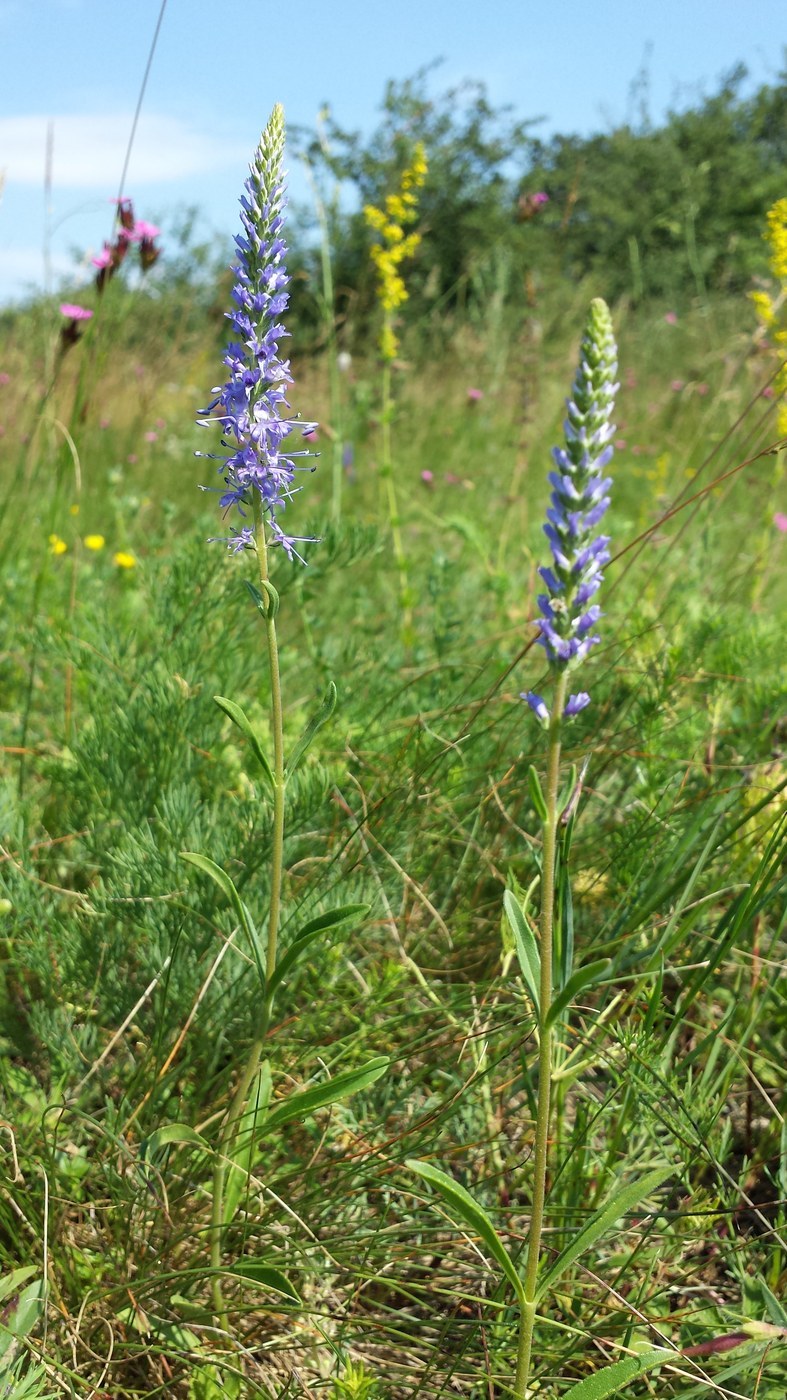
- Flowers: Tightly packed, feathery, rosy-purple to magenta (or white) flowers on tall spikes that open from the top downward
- Leaves: Narrow, grass-like, arranged spirally up the stem
- Habit: Upright clumps usually 2-4 ft tall arising from a corm
- Bloom time: Mid to late summer
Care & growing
Tough and easy in sun.
- Light: Full sun for the best spikes and sturdiest stems
- Water: Moderate while establishing; drought-tolerant once settled and dislikes soggy winter soil
- Soil: Average, well-drained soil; tolerates poor ground but rots in wet clay
- Temperature: Hardy in USDA zones 3-9
- Feeding: Minimal
- Propagation: Division of the corms or from seed
- Tip: Plant corms in well-drained soil; staking may help the tallest spikes
Habitat & origin
Liatris is native to eastern and central North America, where it grows in moist to dry prairies, open meadows, and along roadsides.
It is widely cultivated in perennial borders, prairie and pollinator plantings, and the commercial cut-flower trade across temperate regions.
Frequently asked questions
Why does liatris bloom from the top down?
Unlike most spiked flowers that open from the bottom up, liatris opens its uppermost florets first and progresses downward, a distinctive trait of the genus.
Do butterflies really love liatris?
Yes, it's one of the top butterfly nectar plants, frequently covered in monarchs, swallowtails, and bees during bloom.
Does liatris come back every year?
Yes, it's a hardy perennial that grows from a corm and returns reliably for many years in well-drained soil.
Will liatris grow in wet soil?
It tolerates moist soil in summer but needs good drainage, especially in winter, as its corms rot in cold, waterlogged ground.
Liatris guides
In-depth guides for identifying, growing, and caring for Liatris.
How to Care for Liatris
Grow striking Liatris (Blazing Star): full sun, well-drained soil, and minimal fuss for tall purple flower spikes that bloom top-down.
Liatris Identification Guide
How to identify liatris (blazing star / gayfeather) by its tall feathery purple flower spikes that bloom top-down, grassy leaves, and fuzzy rayless flower heads.