How to Care for Lilac
Grow common Lilac (Syringa vulgaris), a hardy deciduous shrub famous for fragrant spring flower clusters.
Read the full Lilac encyclopedia entry →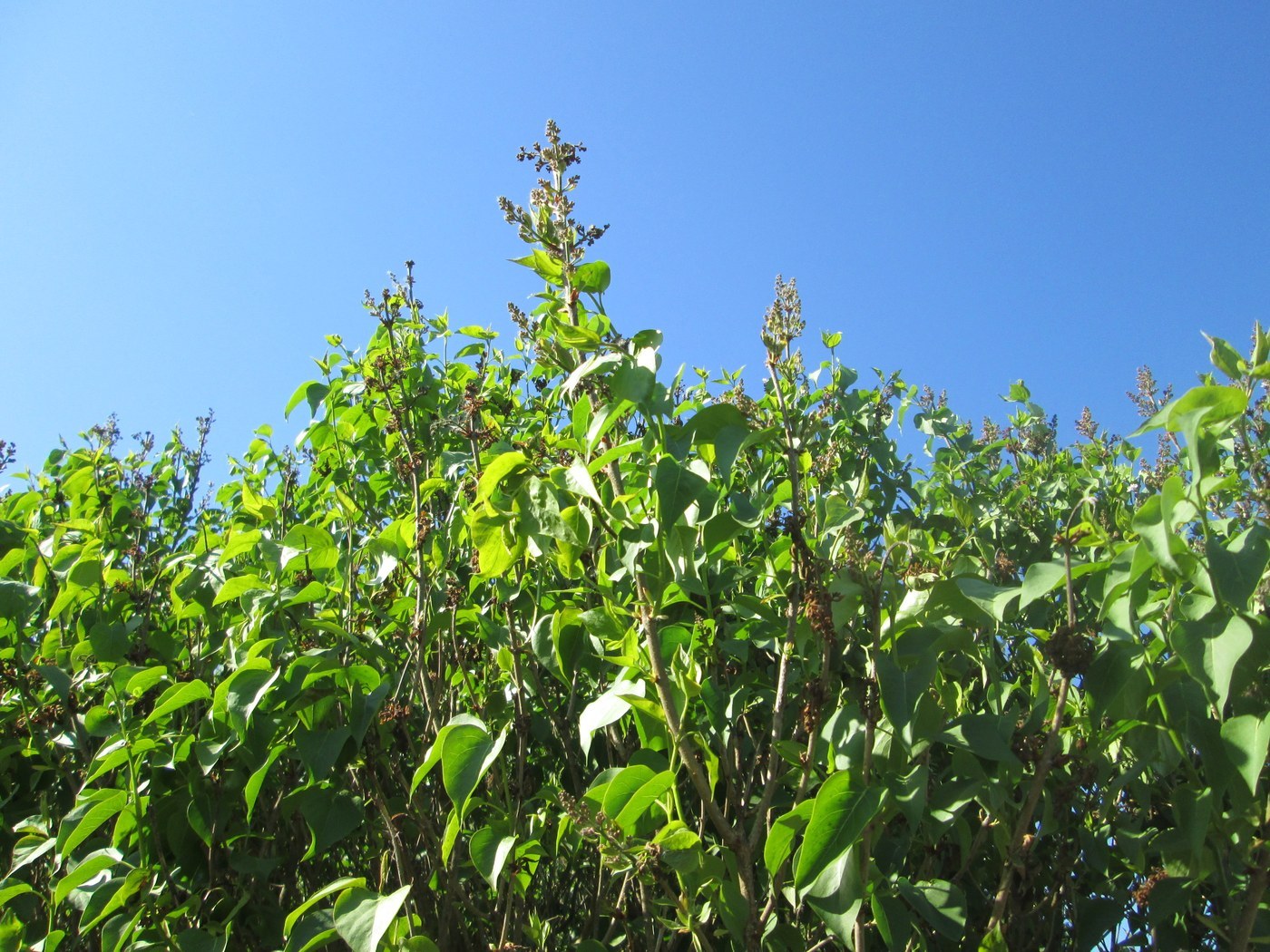
Common Lilac (Syringa vulgaris) is a beloved deciduous shrub grown for its large, intensely fragrant clusters of spring flowers in shades of purple, lavender, white, and pink. It is an easy, long-lived plant that rewards sun and good drainage with a spectacular annual display.
Light
Grow in full sun. Lilacs need at least six hours of direct sun daily for abundant flowering. In too much shade they grow leggy and bloom sparsely.
Water
Water moderately. Provide regular water during establishment and during dry spells, especially before and during bloom. Established lilacs tolerate short dry periods but flower best with even moisture. Avoid soggy soil.
Soil & Potting
Lilacs prefer well-drained, fertile soil that is neutral to slightly alkaline. They dislike acidic, waterlogged conditions. Improve heavy clay with compost and grit, and add a little garden lime if your soil is strongly acidic to nudge the pH toward neutral.
Humidity & Temperature
Very cold-hardy, lilacs actually require a period of winter chill to bloom well, so they thrive in temperate climates with cold winters. They tolerate summer heat but struggle in hot, humid regions where chill is insufficient. Ambient humidity is otherwise not a concern.
Feeding
Feed lightly in early spring with a balanced fertilizer or compost. Avoid excess nitrogen, which promotes leafy growth and suppresses flowering. A handful of bone meal or a lime top-dressing every couple of years helps maintain the preferred pH.
Propagation
Propagate by digging and transplanting rooted suckers from the base of an established plant, the simplest method. Softwood cuttings taken in late spring can also root, and named cultivars are often grafted.
Repotting / Pruning
Prune immediately after flowering, since lilacs bloom on old wood and set next year's buds during summer. Deadhead spent flower clusters and remove weak, crossing, or crowded stems. Rejuvenate overgrown, sparse-blooming shrubs by cutting up to a third of the oldest stems to the ground over three years. Remove unwanted suckers to control spread.
Common Problems & Pests
Powdery mildew commonly coats the foliage in late summer; it is mostly cosmetic and improves with better air circulation. Watch for lilac borer, scale, and bacterial blight. Prune out affected wood, avoid overhead watering, and keep the base clear. Poor flowering usually traces to too much shade, over-pruning at the wrong time, or excess nitrogen.
Seasonal Care Tips
In early spring, feed lightly and enjoy emerging buds. Right after the spring bloom, prune and deadhead. Through summer, water during droughts and avoid late pruning that would remove next year's buds. In winter, the shrub rests and banks the cold it needs to flower.
Frequently asked questions
Why is my lilac not blooming?
The most common causes are too much shade, pruning at the wrong time (lilacs bloom on old wood, so prune right after flowering), too much nitrogen fertilizer, or insufficient winter chill in warm climates.
When should I prune a lilac?
Prune immediately after the flowers fade. Lilacs set next year's buds during summer, so pruning later in the season removes the coming season's blooms.
What soil do lilacs prefer?
Well-drained, fertile soil that is neutral to slightly alkaline. They dislike acidic, soggy ground, so improve drainage and add a little lime if your soil is strongly acidic.
How do I propagate a lilac?
The easiest way is to dig up rooted suckers from the base of an established plant and transplant them. Softwood cuttings in late spring are also possible.
Lilac identified by the community
Recent Lilac specimens identified with Plant Identifier.