Lilac
Syringa vulgaris
Lilacs are hardy deciduous shrubs cherished for their intensely fragrant spring flower clusters in shades of purple, lavender, pink, and white. They are long-lived and easy to grow in cold climates.
- Light
- Full sun
- Water
- Moderate; water during dry spells
- Difficulty
- Easy
Got a plant like this?
Identify any plant from a photo, free.
Overview
The common lilac is a classic cottage-garden shrub, famous for the sweet, heady perfume of its spring flowers. It forms a large, multi-stemmed shrub that can live for decades, even a century.
Lilacs need a period of winter cold to bloom well, making them favorites in cooler temperate regions. Their brief but spectacular and fragrant flowering makes them an iconic harbinger of late spring.
How to identify it
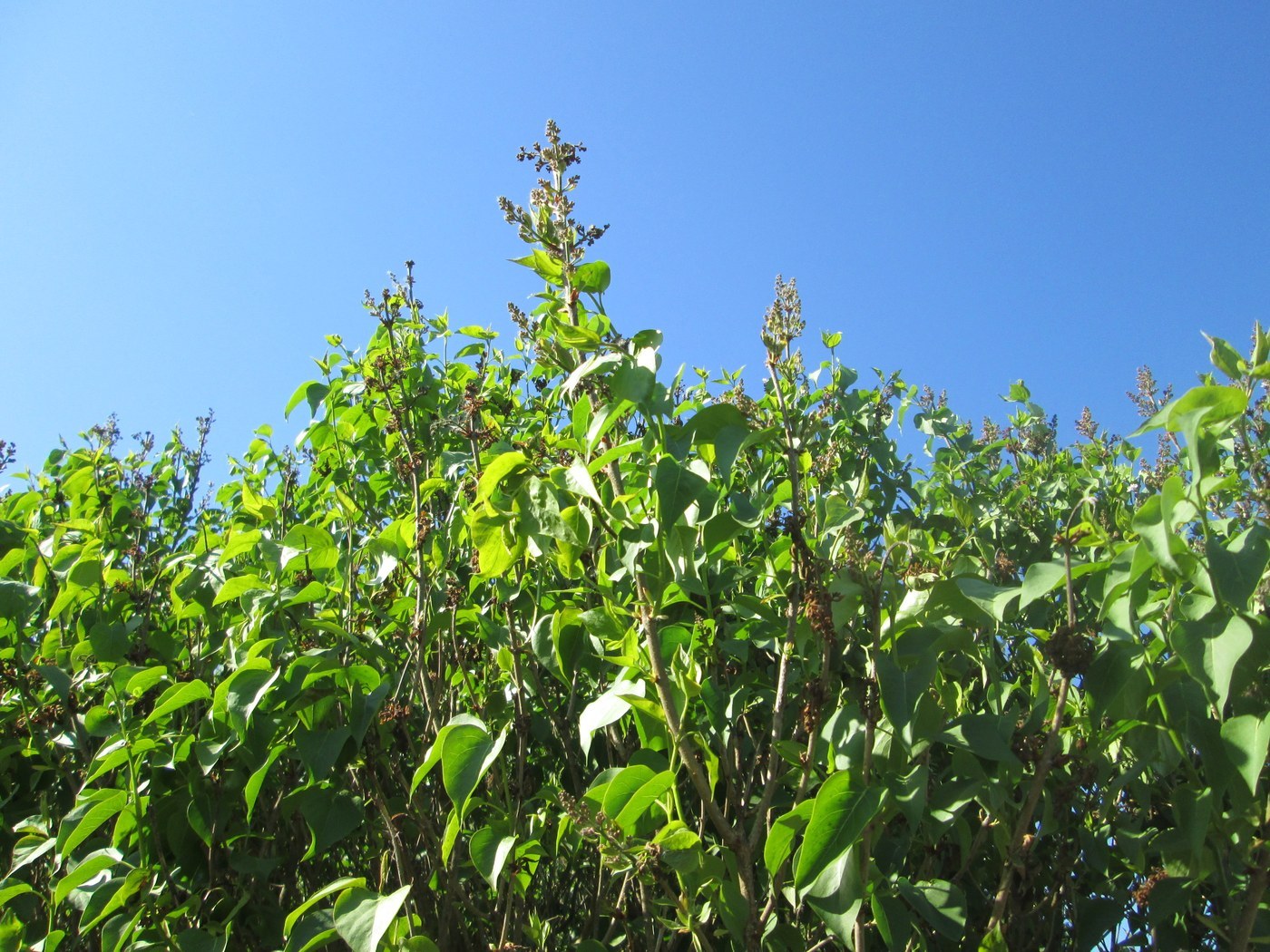
Recognizable by heart-shaped leaves and dense, fragrant flower panicles.
- Flowers: Dense, cone-shaped clusters (panicles) of small four-lobed, very fragrant blooms in lilac, purple, white, pink, or magenta
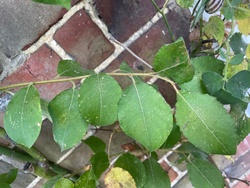
- Leaves: Heart-shaped, smooth, mid-green, oppositely arranged
- Habit: Large, upright, multi-stemmed deciduous shrub, 8-15 ft tall
- Bark: Gray-brown, becoming furrowed with age
Care & growing
Lilacs are tough and low-maintenance given sun and good drainage.
- Light: Full sun—at least 6 hours—for the most flowers
- Water: Moderate; water during dry spells but avoid soggy soil
- Soil: Well-draining, neutral to slightly alkaline soil
- Temperature: Very cold-hardy; needs winter chill to bloom
- Feeding: Light feeding; excess nitrogen reduces flowering
- Maintenance: Prune right after flowering; remove spent blooms and thin old stems to renew
- Propagation: From suckers, cuttings, or grafting
Habitat & origin
The common lilac is native to the Balkan Peninsula of southeastern Europe, where it grows on rocky hillsides.
It has been cultivated for centuries and is now grown across temperate Europe, North America, and Asia in gardens, hedges, and as a nostalgic dooryard shrub.
Frequently asked questions
Why isn't my lilac blooming?
Common causes are too much shade, over-pruning, excess nitrogen, or pruning at the wrong time. Lilacs need full sun and should be pruned right after flowering.
When do lilacs bloom?
Most bloom in mid- to late spring, with a relatively short but intense flowering period.
Do lilacs need cold winters?
Yes, common lilacs need a period of winter chill to flower well and struggle in mild, warm-winter climates.
How do I prune a lilac?
Prune immediately after flowering, removing spent blooms and periodically thinning the oldest stems to rejuvenate the shrub.
Lilac guides
In-depth guides for identifying, growing, and caring for Lilac.
Lilac identified by the community
Real specimens identified with Plant Identifier.