
How to Care for Lily of the Valley
Grow Lily of the Valley in shade with consistently moist soil for a fragrant, spreading woodland groundcover of nodding white bells.
Read the full Lily of the Valley encyclopedia entry →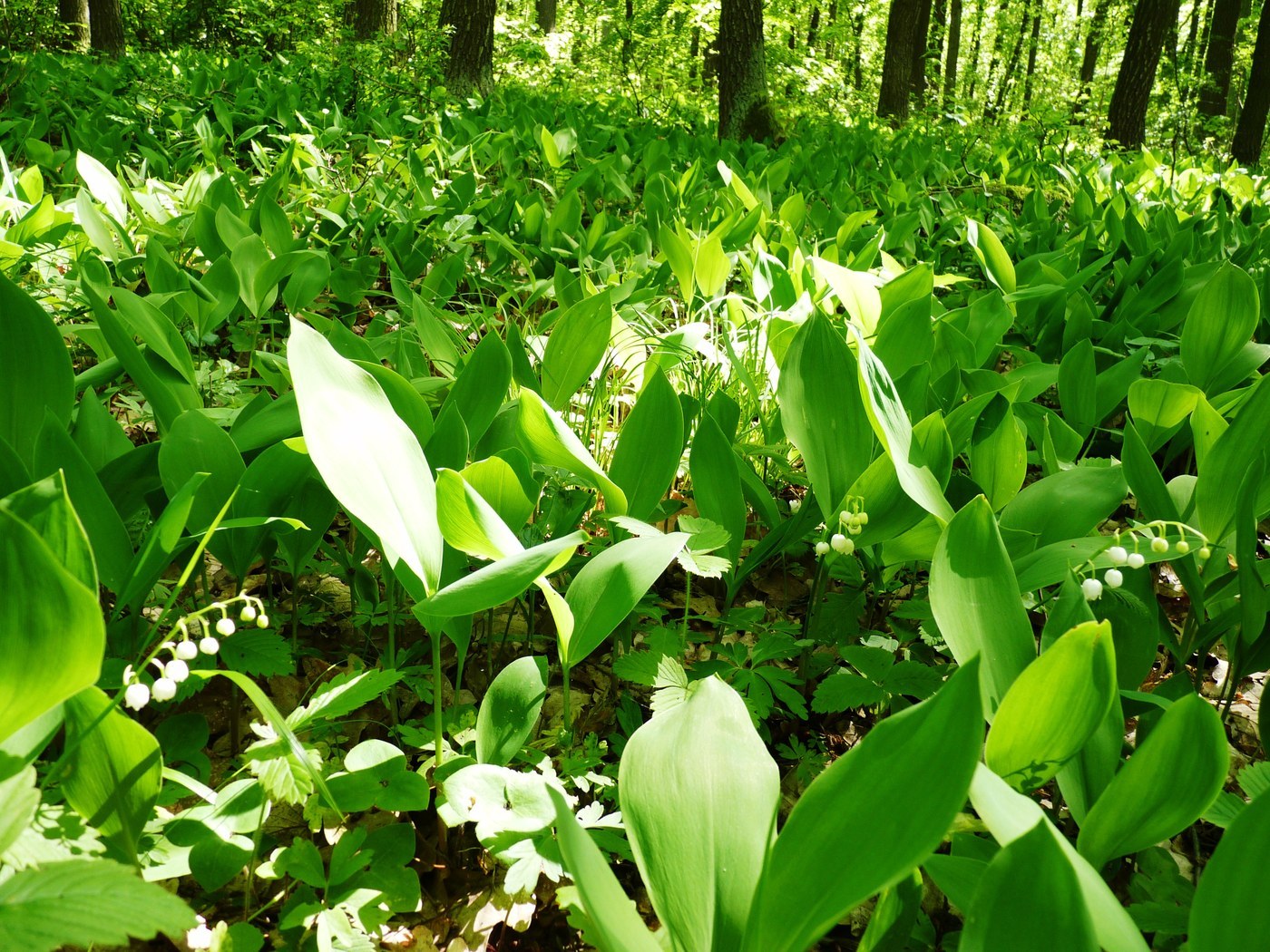
Lily of the Valley (Convallaria majalis) is a shade-loving, rhizomatous perennial prized for its arching sprays of nodding, bell-shaped white flowers and broad, glossy green leaves. It is an easy plant that spreads steadily into a dense groundcover once established in a cool, moist, woodland setting.
Light
Partial to full shade suits this plant best, matching its native forest-floor habitat. Dappled light beneath deciduous trees or a north-facing bed is ideal. It tolerates fuller sun only in cool climates and where the soil stays reliably moist; in hot, exposed sites the foliage scorches and browns at the tips by midsummer.
Water
Keep the soil consistently moist but not waterlogged. The shallow rhizomes resent drying out, especially during spring growth and flowering. Water deeply during dry spells and mulch to conserve moisture. Established colonies are somewhat forgiving but will go dormant early and look ragged if allowed to bake dry.
Soil & Potting
Provide rich, humus-laden soil that holds moisture yet drains freely. A woodland loam amended generously with leaf mold or compost is perfect. Slightly acidic to neutral pH is preferred. For container culture, use a peat- or compost-based mix and keep the pot in shade; potted plants dry faster and need closer attention to watering.
Humidity & Temperature
This is a hardy, cool-climate plant that thrives in temperate zones and needs a winter chill to perform well. It tolerates deep cold when dormant. Moderate to high ambient humidity in a shaded, sheltered spot keeps the foliage lush; hot, dry air hastens summer dormancy.
Feeding
Feeding needs are modest. An annual spring topdressing of compost or leaf mold usually supplies enough nutrients. If growth is thin, a light application of balanced slow-release fertilizer as new shoots emerge encourages denser foliage and better bloom.
Propagation
Division is the easiest and most reliable method. In autumn or early spring, lift a clump and separate the rhizomes into sections, each bearing a plump growth bud (called a "pip"). Replant pips about 1 to 2 inches deep and a few inches apart. They establish quickly and colonize the surrounding ground.
Repotting / Pruning
Colonies benefit from lifting and dividing every three to five years to relieve congestion and reinvigorate flowering. Little pruning is needed; simply remove spent flower stalks and cut back yellowing foliage as it dies down in late summer. Refresh mulch each spring.
Common Problems & Pests
Lily of the Valley is largely trouble-free. In wet, crowded conditions it can develop leaf spot, gray mold (Botrytis), or stem rot; improve airflow and avoid overhead watering. Occasional weevils or slugs may nibble foliage. The main challenge is its vigor: it spreads aggressively by rhizome and can overrun neighbors, so site it where it can roam or contain the roots.
Seasonal Care Tips
In spring, topdress with compost and keep soil moist as shoots and flowers emerge. Through summer, water in dry weather and expect natural dormancy in heat. In autumn, divide crowded clumps and clear fallen leaves. In winter the plant rests fully; a light mulch protects the rhizomes and no watering is needed.
Frequently asked questions
Why won't my Lily of the Valley flower?
The most common causes are too much sun, dry soil, or overcrowded rhizomes. Give it shade, keep the soil consistently moist, feed lightly in spring, and divide congested clumps every few years to restore bloom.
How do I stop it from spreading too much?
Plant it within a buried barrier or a bottomless container sunk in the ground to contain the rhizomes, or grow it in a large pot. Regularly digging out wandering pips at the edges also keeps a colony in check.
Can I grow Lily of the Valley in a pot?
Yes. Use a moisture-retentive compost-based mix, keep the container in shade, and water often since pots dry quickly. Give it a winter chill outdoors so the pips get the cold dormancy they need.
When is the best time to plant or divide it?
Autumn or early spring, while the plant is dormant or just breaking growth. Separate the rhizomes into pips with a visible bud, plant them 1 to 2 inches deep, and water in well.