Lily of the Valley
Convallaria majalis
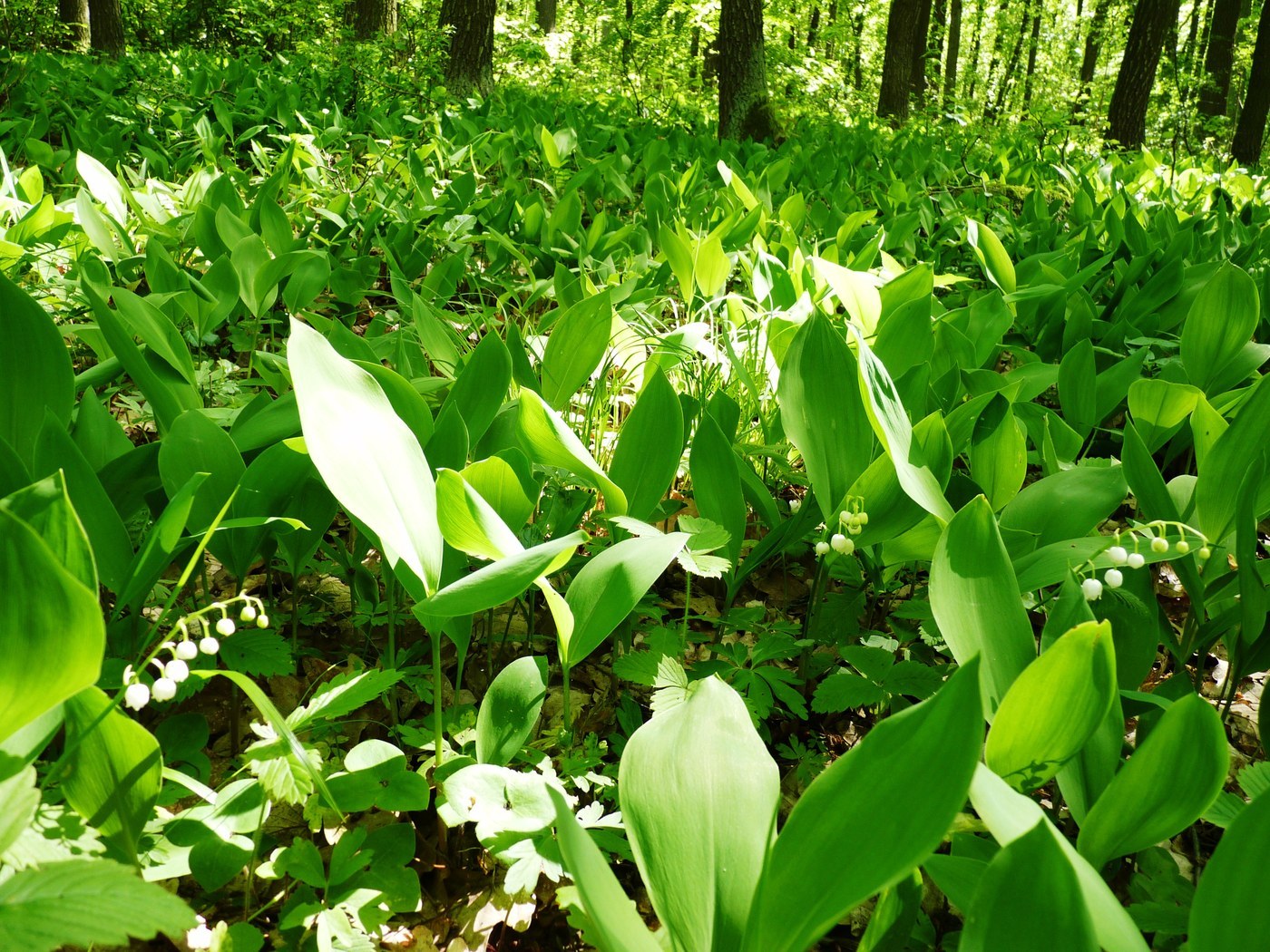
A low, spreading shade groundcover with arching sprays of tiny, intensely fragrant white bells in spring. Beautiful and beloved, with broad glossy leaves rising from creeping rhizomes.
- Light
- Partial to full shade
- Water
- Keep soil consistently moist
- Difficulty
- Easy
Got a plant like this?
Identify any plant from a photo, free.
Overview
Lily of the valley is cherished for its dainty, nodding white bells and one of the most beloved fragrances in the plant world, appearing for a few weeks in mid to late spring. Pairs of broad, glossy leaves rise from creeping underground stems to carpet shady ground.
Native to the cool woodlands of the Northern Hemisphere, Convallaria majalis spreads steadily by rhizomes (pips) and can form dense colonies, sometimes to the point of being invasive.
It carries deep cultural symbolism, featuring in May Day traditions and royal bouquets.
How to identify it
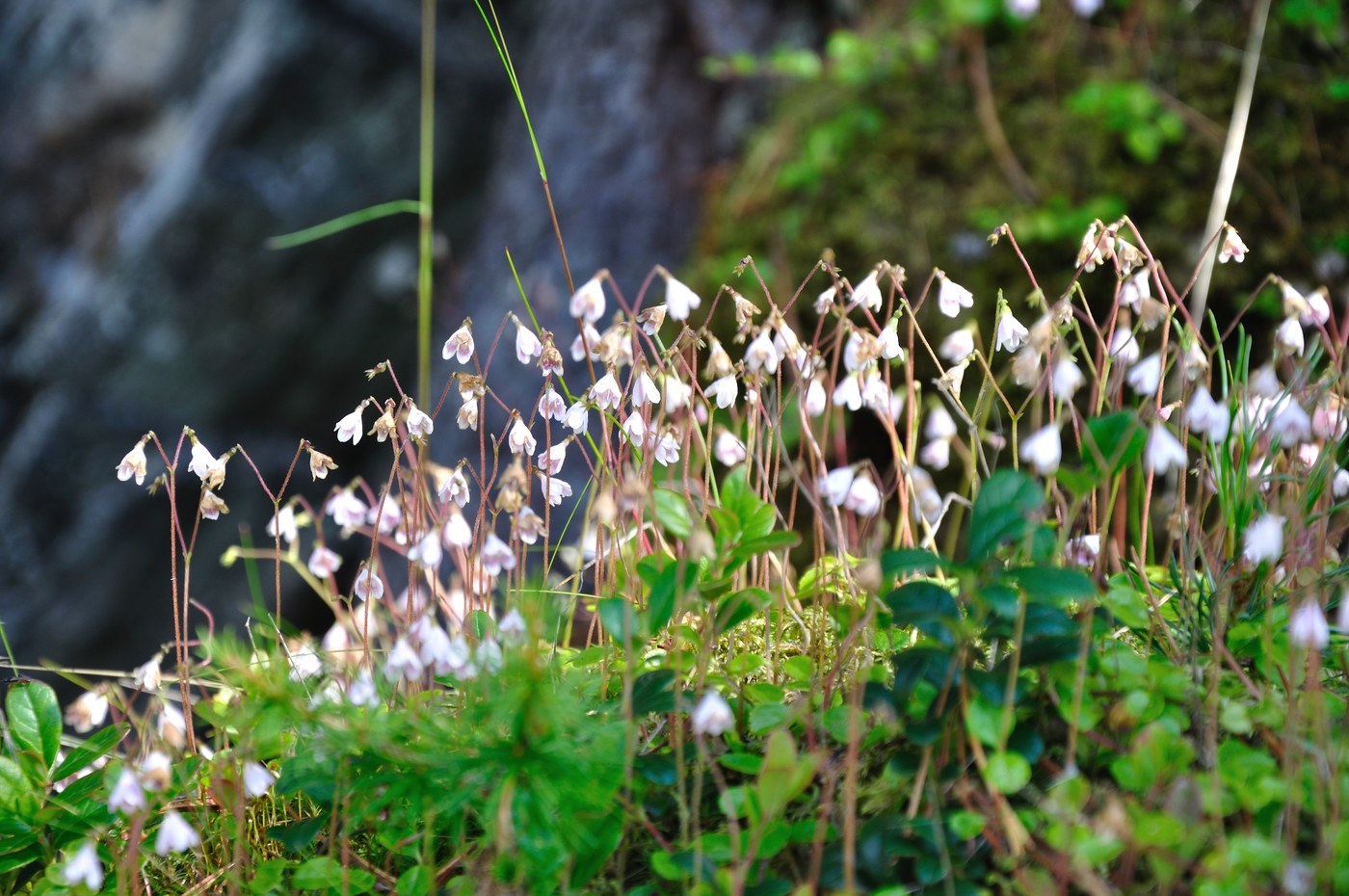
- Flowers: Tiny, nodding, bell-shaped white (occasionally pink) flowers on one-sided arching stalks; powerfully sweet fragrance
- Leaves: Two or three broad, elliptical, glossy green basal leaves per shoot
- Habit: Low groundcover 6-12 in. tall, spreading by rhizomes into dense colonies
- Fruit: Small red-orange berries in late summer
- Bloom time: Mid to late spring
Care & growing
Light: Partial to full shade; ideal beneath trees and shrubs.
Water: Keep soil consistently moist, especially during active growth and bloom.
Soil: Rich, humusy, moisture-retentive soil; tolerates a range of conditions in shade.
Temperature: Hardy in USDA zones 3-8; needs winter cold for dormancy.
Feeding: A spring topdressing of compost or leaf mold is sufficient.
Propagation: Easiest by dividing the rhizomes (pips) in fall or early spring; plant where its spreading habit can be contained.
Habitat & origin
Lily of the valley is native to cool, temperate woodlands across Europe, Asia, and parts of North America, where it carpets shaded forest floors in moist, humus-rich soil.
It is widely grown as an ornamental shade groundcover, though in favorable conditions it can spread aggressively and is considered invasive in some regions.
Frequently asked questions
Does lily of the valley spread?
Yes, it spreads vigorously by underground rhizomes and can form dense colonies. In some areas it is considered invasive, so plant it where it can be contained.
Why won't my lily of the valley bloom?
Too much sun, dry soil, or overcrowded pips can reduce flowering. Give it moist, shady, humus-rich conditions and divide crowded colonies.
Can lily of the valley grow in sun?
It prefers partial to full shade. In hot, sunny spots the foliage scorches and the plant struggles; dappled woodland shade is ideal.
How do I recognize lily of the valley?
Look for paired broad glossy leaves and arching one-sided stalks of tiny, nodding, bell-shaped white flowers with a strong sweet fragrance in mid to late spring.
Lily of the Valley guides
In-depth guides for identifying, growing, and caring for Lily of the Valley.
How to Care for Lily of the Valley
Grow Lily of the Valley in shade with consistently moist soil for a fragrant, spreading woodland groundcover of nodding white bells.
Lily of the Valley Identification Guide
Identify lily of the valley by its paired upright leaves, one-sided arching spray of fragrant white nodding bells, and spreading shady colonies.