
How to Care for Lima Bean
A warm-season legume grown as bush or pole types; give it full sun, warm soil, and even moisture for a vigorous, productive season.
Read the full Lima Bean encyclopedia entry →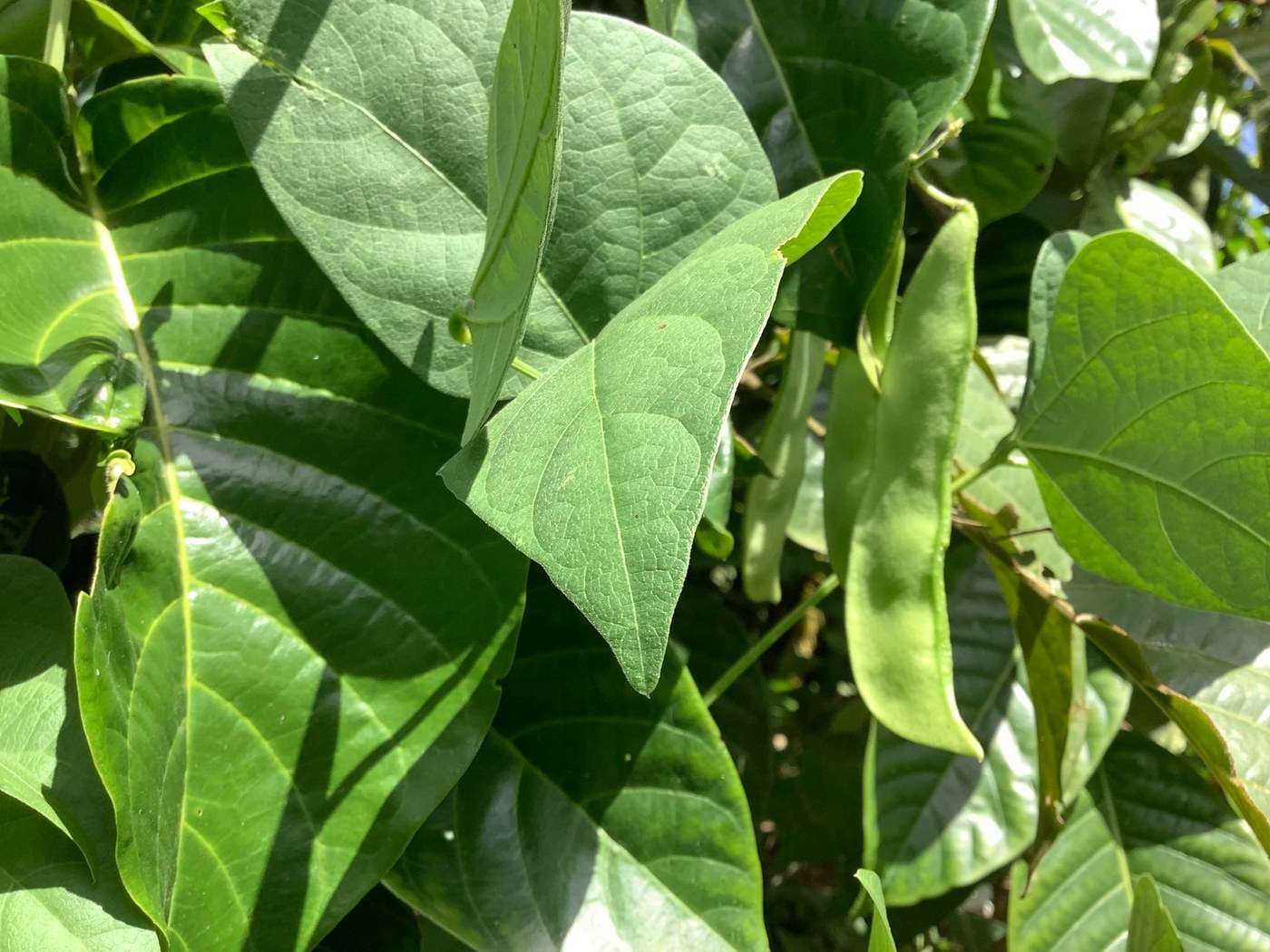
The lima bean (Phaseolus lunatus) is a tender, warm-season annual legume grown in both compact bush forms and tall climbing pole forms. Vigorous and rewarding, it needs warmth, sun, and steady moisture, and like other legumes it fixes nitrogen at its roots, keeping fertility needs modest.
Light
Lima beans need full sun, at least six to eight hours of direct light daily. Ample sun drives sturdy vines, strong flowering, and good pod set. In too little light the plants stretch, flower poorly, and become disease-prone. Choose the sunniest, warmest part of the garden.
Water
Keep soil evenly moist while avoiding waterlogging. Consistent moisture is especially important during flowering and pod development, when dry spells cause blossoms to drop and pods to abort. Water deeply at the base rather than overhead to keep foliage dry and reduce disease, and mulch to steady soil moisture. At the same time, avoid saturated ground, which rots seeds and roots.
Soil & Potting
Lima beans prefer well-drained, loamy soil of moderate fertility with a near-neutral pH. Work in compost before planting for good structure and steady moisture retention, but avoid heavy nitrogen, which favors leaves over pods. Warm soil is essential: sow only after the ground has thoroughly warmed, as seeds rot in cold, wet soil. Bush types can be grown in large containers; pole types need deep pots plus a sturdy support.
Humidity & Temperature
This is a heat-loving crop that resents cold. Seeds germinate poorly in cool soil, and the plants are damaged by frost at both ends of the season. They thrive in warm days and warm nights; very high heat combined with dryness can, however, cause blossom drop, so steady moisture buffers hot spells.
Feeding
Feed lightly. As a nitrogen-fixing legume, lima beans supply much of their own nitrogen through root nodules and need little supplemental fertilizer. A soil enriched with compost usually suffices; if plants look pale, a low dose of balanced fertilizer helps, but excess nitrogen produces lush foliage at the expense of pods. A phosphorus and potassium boost supports flowering and pod fill.
Propagation
Lima beans are grown from seed sown directly where they are to grow, since they resent root disturbance. Plant seeds a couple of inches deep once soil is reliably warm. Bush types are self-supporting; pole types should be sown at the base of a trellis, poles, or netting they can climb. Successive sowings extend the harvest window.
Repotting / Pruning
Being annuals, lima beans are not repotted or pruned in the conventional sense. Pole types benefit from guiding new growth onto their support and pinching the growing tips once vines reach the top to encourage side branching and pod production. Keep the planting weeded and the base mulched.
Common Problems & Pests
Cold or wet soil causes seeds to rot before emerging, so patience with soil warmth is key. Blossom drop in heat or drought is common; steady watering minimizes it. Watch for aphids, spider mites in hot dry spells, and bean beetles chewing the foliage; hand-pick and use insecticidal soap as needed. Fungal and bacterial leaf diseases spread in wet, crowded plantings, so space plants for airflow and avoid overhead watering.
Seasonal Care Tips
Wait until the soil is thoroughly warm before sowing; there is no benefit to an early start in cold ground. Water most attentively during flowering and pod fill through the heat of summer, and mulch to conserve moisture. Provide support early for pole types. As frost approaches at season's end, the plants finish their cycle and can be cleared, leaving the nitrogen-rich roots to enrich the soil.
Frequently asked questions
Why did my lima bean seeds fail to come up?
The soil was likely too cold and wet, causing the seeds to rot before germinating. Lima beans are heat-lovers; wait until the ground is thoroughly warm before direct-sowing, and avoid overwatering at planting.
My plants flowered but the blossoms are falling off. Why?
Blossom drop is usually caused by heat stress combined with inconsistent moisture. Keep the soil evenly moist, especially during flowering and pod set, and mulch to buffer hot, dry spells.
Do lima beans need a lot of fertilizer?
No. As nitrogen-fixing legumes they make much of their own nitrogen and need little feeding. Enrich the soil with compost, and avoid heavy nitrogen, which grows lush leaves at the expense of pods.
What is the difference between bush and pole lima beans in care?
Bush types are compact and self-supporting, good for containers and quicker harvests. Pole types climb and need a sturdy trellis; guide the vines up and pinch the tips at the top to boost branching and pods.