
How to Care for Lodgepole Pine
Grow Lodgepole Pine (Pinus contorta), a slender, cold-hardy conifer that thrives in full sun and lean, well-drained soils with little fuss.
Read the full Lodgepole Pine encyclopedia entry →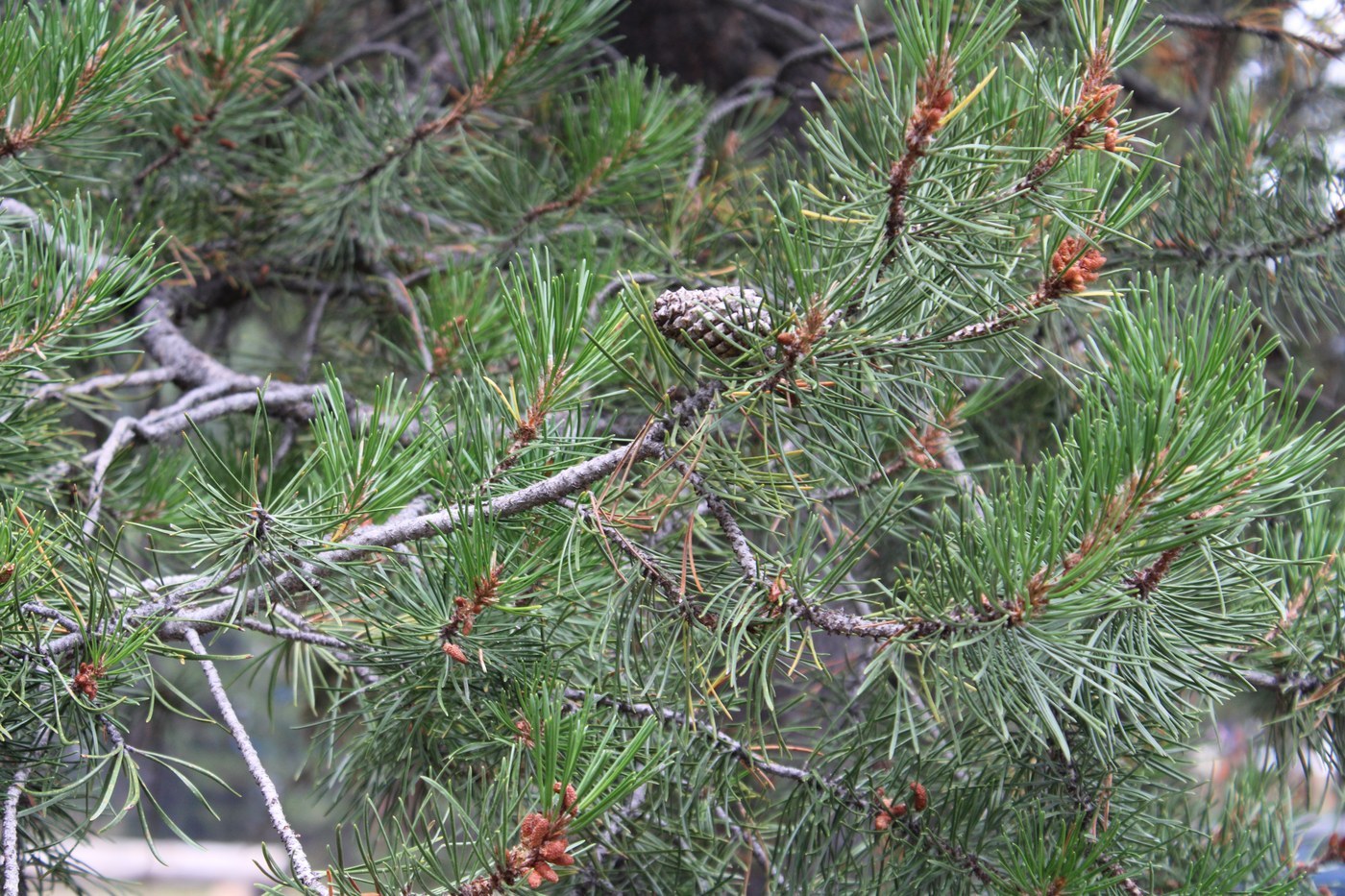
Lodgepole Pine (Pinus contorta) is a narrow, upright conifer valued for its clean straight trunk, fine-textured needles, and exceptional toughness in cold, exposed sites. It is an easy, low-maintenance evergreen for large gardens, screens, and naturalistic plantings.
Light
Plant Lodgepole Pine in full sun. It is a pioneer species that demands bright, open conditions and will grow thin and sparse if shaded by taller trees or buildings. Give it an unobstructed position with sun for most of the day.
Water
Water young trees regularly through their first two or three growing seasons to establish a deep root system. Once settled, Lodgepole Pine is drought-tolerant and needs little supplemental water, drawing on deep roots and coping with lean, dry ground. Avoid waterlogged soils, which it dislikes.
Soil & Potting
This pine is adaptable to a wide range of soils, from sandy and gravelly to poor rocky ground, provided drainage is sharp. It grows in acidic to neutral conditions and tolerates infertile sites where other trees struggle. Heavy, wet clay is the main thing to avoid; improve drainage or plant on a raised mound in such soils.
Humidity & Temperature
Extremely cold-hardy, Lodgepole Pine is at home in harsh mountain and northern climates and shrugs off deep frost, wind, and snow load. It prefers cool summers and dry air; performance suffers in hot, humid lowland climates. No humidity management is needed.
Feeding
Lodgepole Pine rarely needs feeding and thrives on poor soils. If growth is very slow on the leanest ground, a light application of a slow-release conifer or balanced fertilizer in early spring can help young trees establish. Mature trees need no supplemental feeding.
Propagation
Propagation is by seed. Cones release seed that benefits from a period of cold, moist stratification before sowing; some populations have serotinous cones that open with heat, but garden-collected seed usually germinates after chilling. Sow in well-drained seed compost in spring and grow on in bright, airy conditions. Named forms are grafted rather than seed-grown.
Repotting / Pruning
Pines need little pruning. Remove dead, damaged, or crossing branches in late winter, and shape young trees lightly if desired. To make growth denser, pinch the soft new 'candles' by half in spring rather than cutting into old wood, which does not resprout. Container-grown young trees can be potted on in spring into a deep, free-draining pot.
Common Problems & Pests
Lodgepole Pine is generally trouble-free in good conditions but can be attacked by bark beetles, pine sawflies, and aphid-like adelgids, and by needle-cast and rust fungi in damp, crowded situations. Keep trees vigorous with good siting and airflow, and remove any dead or infested wood promptly. Poor drainage leading to root rot is the most common cause of decline.
Seasonal Care Tips
Plant in autumn or early spring while the soil is moist. Water young trees through their first summers and mulch to conserve moisture and suppress weeds. Do any pruning and candle-pinching in spring. The tree is fully hardy and needs no winter protection once established; simply brush heavy snow off young branches to prevent breakage.
Frequently asked questions
Where should I plant a Lodgepole Pine?
Choose an open, full-sun site with sharply drained soil. It is a light-demanding pioneer species that grows thin and weak in shade, and it dislikes heavy, waterlogged ground.
How drought-tolerant is Lodgepole Pine?
Very. Once established after two or three seasons, it needs little watering and copes with lean, dry soils. Water only young trees regularly to build a deep root system.
How do I prune a Lodgepole Pine to make it bushier?
Pinch the soft new 'candles' by half in spring rather than cutting into old wood, which will not resprout. Otherwise, only remove dead or damaged branches in late winter.
Can Lodgepole Pine handle cold winters?
Yes, it is exceptionally cold-hardy and native to harsh mountain and northern climates. It withstands deep frost, wind, and snow, and needs no winter protection once established.