Lodgepole Pine
Pinus contorta
Lodgepole Pine is a slender, adaptable western North American pine with paired needles and small prickly cones. Many populations have serotinous cones that open only after fire.
- Light
- Full sun
- Water
- Low to moderate; drought tolerant once established
- Difficulty
- Easy
Got a plant like this?
Identify any plant from a photo, free.
Overview
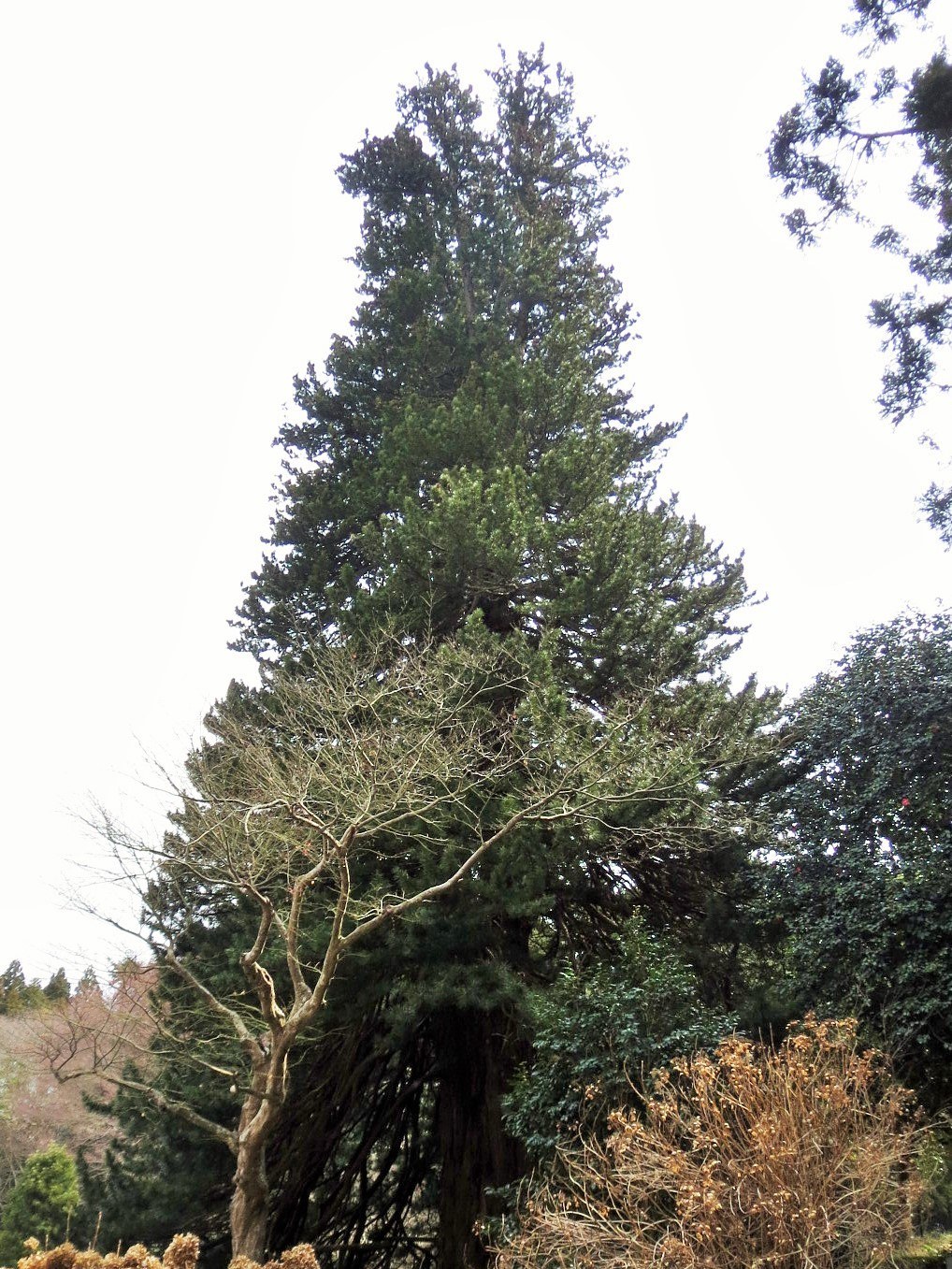
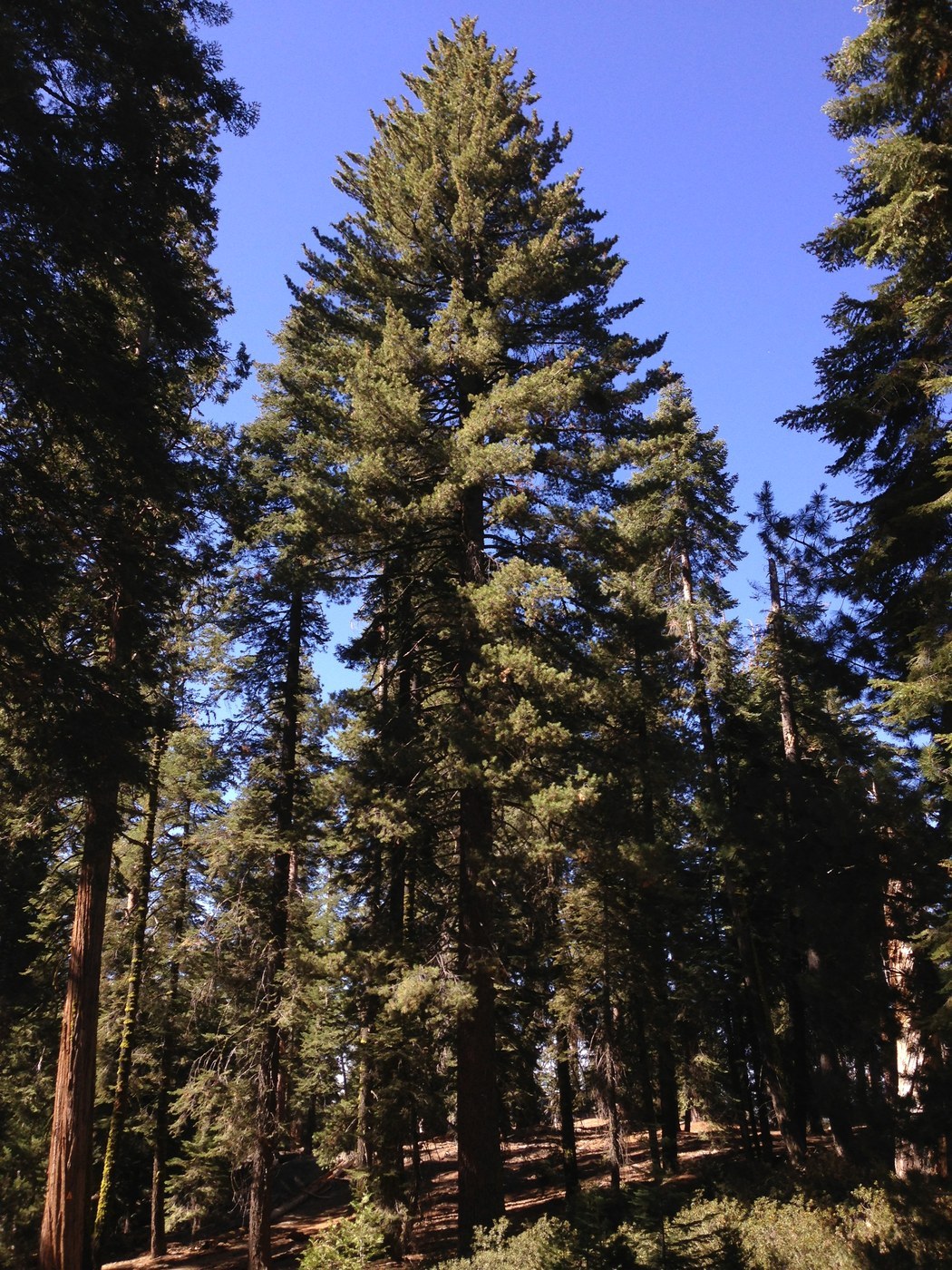
Lodgepole Pine (Pinus contorta) is a widespread, highly variable pine of western North America. Inland mountain forms grow as tall, slender, straight trees, while the coastal shore pine form is shorter, twisted, and shrubby, reflected in the species name contorta.
It is a pioneer species that quickly colonizes burned, disturbed, and poor sites, often forming dense, even-aged stands.
Many inland populations bear serotinous cones sealed shut with resin that open only when heated by wildfire, a striking adaptation to fire-prone landscapes.
How to identify it
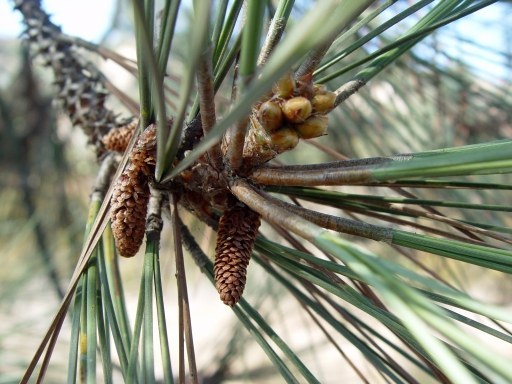
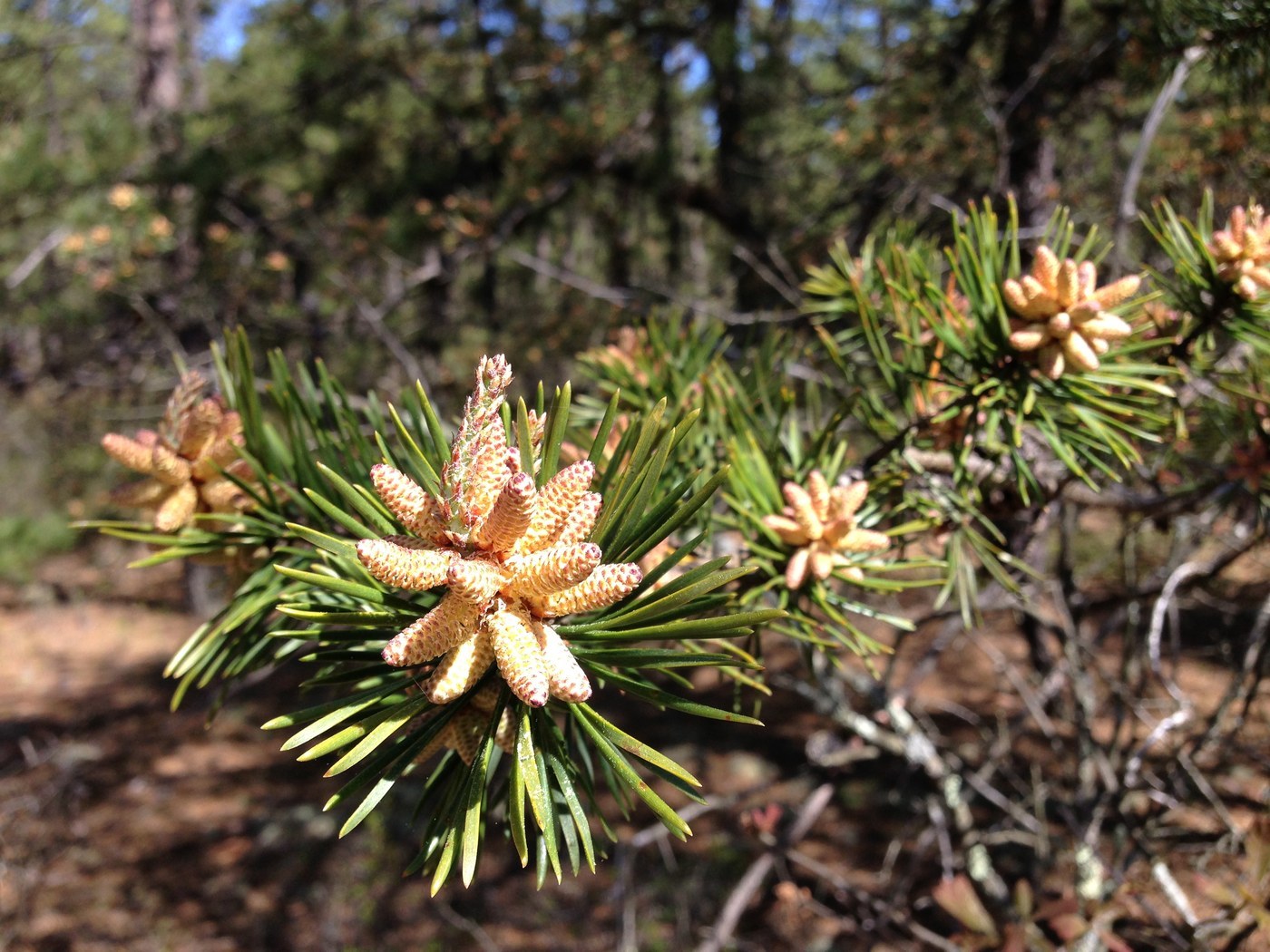
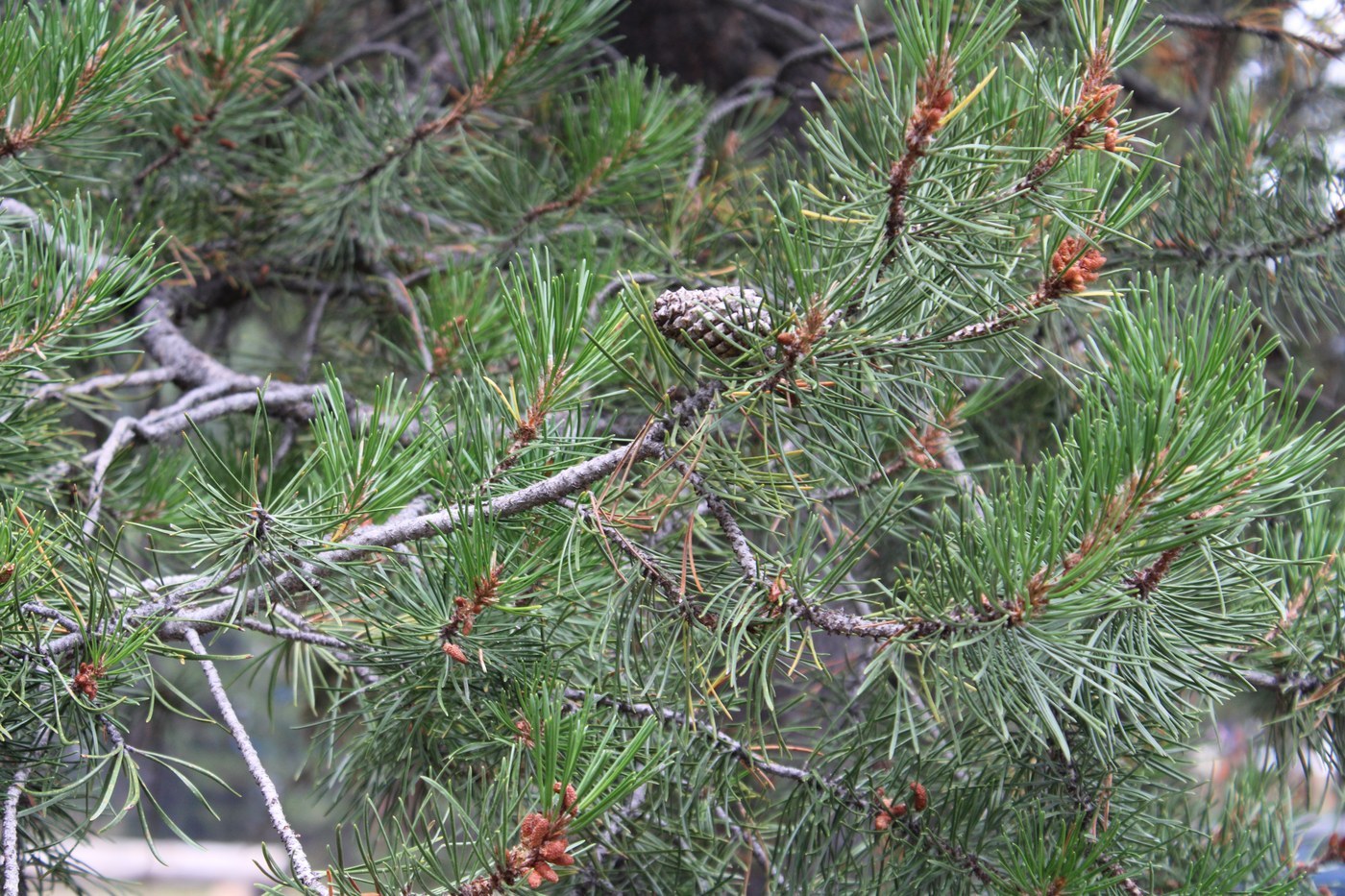
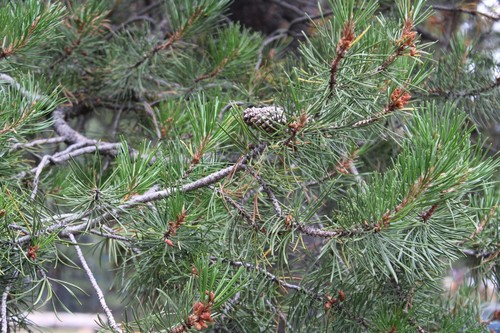
- Needles: Stiff needles in bundles of two, about 1 to 3 inches long, often twisted, yellow-green to dark green
- Cones: Small (1 to 2 inches), egg-shaped, asymmetrical cones with a sharp prickle on each scale; often remain closed on the tree for years
- Bark: Thin, scaly, gray-brown to orange-brown
- Habit: Narrow and straight inland; low, twisted, and bushy in the coastal shore-pine form
- Size: Roughly 70 to 100 feet inland; far smaller along the coast
Care & growing
Tough and adaptable, tolerating cold, poor soils, and exposure.
- Light: Full sun
- Water: Drought tolerant once established; the shore form tolerates wet, boggy soils
- Soil: Wide range from sandy and rocky to peaty and poorly drained
- Temperature: Very cold hardy, roughly USDA zones 4 to 8 depending on form
- Feeding: Generally unnecessary
- Propagation: From seed; serotinous cones may need heat to release seed
The shore-pine form is popular for bonsai and seaside planting due to its rugged, twisted habit.
Habitat & origin
Lodgepole Pine ranges across western North America from Alaska and the Yukon south through the Rocky Mountains and Pacific coast to California and Baja. It grows from coastal bogs and dunes to high subalpine mountain slopes.
It is a dominant forest tree across vast areas of the interior West and is also planted for forestry, especially in northern Europe.
Frequently asked questions
What does serotinous mean for lodgepole cones?
Serotinous cones are sealed with resin and stay closed for years, opening to release seed only when the heat of a wildfire melts the resin, allowing rapid regeneration after fire.
What is the difference between lodgepole and shore pine?
They are the same species. Inland lodgepole pines are tall and straight, while the coastal 'shore pine' variety is shorter, twisted, and shrubby.
How many needles per bundle does it have?
Lodgepole Pine has needles in bundles of two, which helps distinguish it from many other western pines that bear three or five needles per bundle.
Why does it grow in such dense stands?
After fire, serotinous cones release abundant seed at once onto open ground, producing dense, even-aged thickets of young trees.
Lodgepole Pine guides
In-depth guides for identifying, growing, and caring for Lodgepole Pine.
How to Care for Lodgepole Pine
Grow Lodgepole Pine (Pinus contorta), a slender, cold-hardy conifer that thrives in full sun and lean, well-drained soils with little fuss.
Lodgepole Pine Identification Guide
Identify Lodgepole Pine (Pinus contorta) by its needles in bundles of two, small prickly often-closed cones, and tall slender straight trunk.