How to Care for London Plane Tree
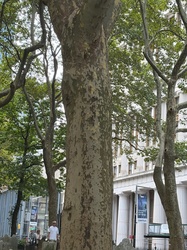
Grow the London plane (Platanus x hispanica), a large, pollution-tolerant shade tree famous for its flaking camouflage bark.
Read the full London Plane Tree encyclopedia entry →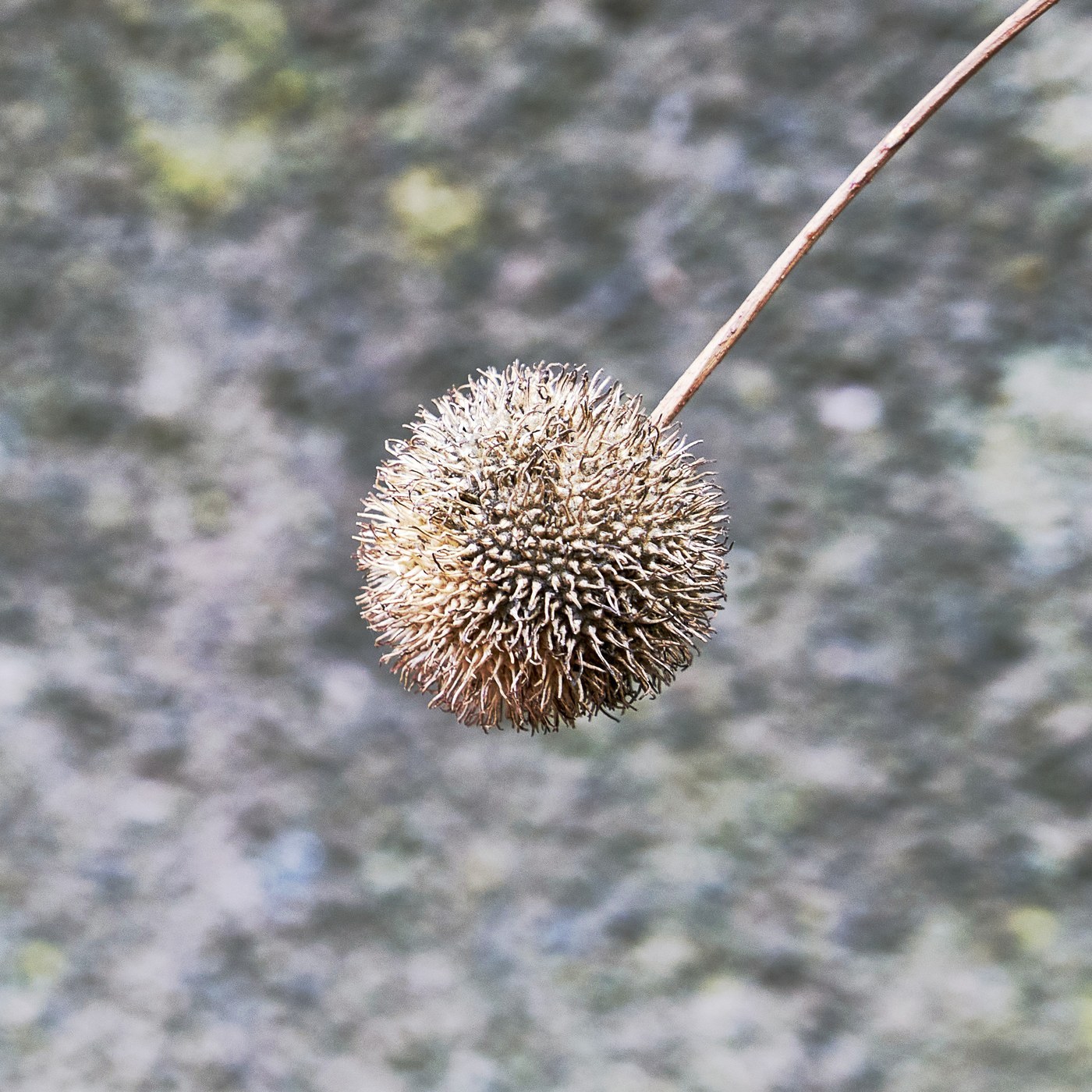
The London plane is a vigorous, large deciduous shade tree renowned for its mottled, peeling camouflage bark, broad maple-like leaves, and exceptional tolerance of urban pollution and compacted soil. It is a hardy, easy tree for spacious sites.
Light
Plant in full sun for the strongest structure and densest canopy. The London plane will tolerate light shade, but open, sunny sites produce the best growth and the boldest bark character. Give it room to develop its wide crown, as this is a genuinely large tree unsuited to cramped positions.
Water
Water young trees regularly and deeply for the first two or three seasons to establish a strong root system, keeping the root zone evenly moist but never waterlogged. Once established, the London plane is notably resilient and tolerates dry spells, needing supplemental deep watering only during prolonged drought. It also copes with occasional wet ground better than many trees.
Soil & Potting
One of this tree's great strengths is its adaptability. It thrives in almost any soil, from clay to sand, and shrugs off compaction, poor drainage, and a wide pH range, which is why it lines so many city streets. For the best results, plant in deep, moisture-retentive loam. Dig a wide planting hole, keep the root flare at grade, and mulch generously while avoiding contact with the trunk.
Humidity & Temperature
The London plane is hardy across a broad temperate range and unbothered by heat, cold, urban warmth, or humidity. It withstands wind and the reflected heat of paved surroundings well. No special humidity or temperature measures are needed once the tree is in the ground.
Feeding
Established plane trees rarely need feeding. On poor soils, a spring application of balanced slow-release tree fertilizer or a top-dressing of compost over the root zone supports young trees. Avoid heavy nitrogen, which drives soft, disease-prone growth. An annual mulch of organic matter usually supplies all the nutrients a mature tree requires.
Propagation
London planes are propagated from hardwood cuttings taken in winter, which root readily, or from the seed contained in the hanging spherical fruit clusters. Cuttings are the more reliable route for a predictable tree. Seedlings are variable and slower to establish.
Repotting / Pruning
This is a landscape tree rather than a container subject. Prune in the dormant season to establish a strong central leader and well-spaced scaffold branches, and to remove dead, crossing, or rubbing wood. The London plane tolerates hard pruning and pollarding exceptionally well, which is why it is often cut back to a framework each winter in formal urban settings.
Common Problems & Pests
The main issue is anthracnose, a fungal disease that browns young leaves and shoots in cool, wet springs; rake up and remove fallen leaves to reduce reinfection, and choose resistant hybrids where possible. Powdery mildew can coat foliage in late summer. The tree also sheds fine bristly hairs and abundant leaf litter, which is a maintenance rather than a health concern. Otherwise it is remarkably pest-resistant.
Seasonal Care Tips
Plant bare-root or balled trees in the dormant season, autumn through early spring. Water diligently through the first summers. Prune and, if desired, pollard in winter while the tree is leafless. Refresh mulch each spring, and in autumn clear fallen leaves promptly to limit anthracnose carryover into the next season.
Frequently asked questions
How big does a London plane tree get?
It is a large shade tree that can reach 70 to 100 feet tall with a broad, spreading crown. Only plant it where there is ample room for the roots and canopy, well away from foundations and utilities.
Why are the young leaves turning brown in spring?
This is usually anthracnose, a fungal disease common in cool, wet springs. It rarely kills established trees. Rake up and dispose of fallen leaves and infected shoots to reduce reinfection the following year.
Can London plane trees be pruned hard?
Yes. They tolerate heavy pruning and formal pollarding exceptionally well, which is why they are often cut back to a knuckled framework each winter in cities. Always prune during the dormant season.
Is the London plane tree good for city planting?
It is one of the best urban trees, tolerating air pollution, compacted soil, reflected heat, and root restriction better than most species, which is why it lines so many streets and squares.
London Plane Tree identified by the community
Recent London Plane Tree specimens identified with Plant Identifier.