
How to Care for Love-in-a-Mist
A charming hardy annual with feathery foliage and jewel-toned blooms nestled in lacy bracts, easy from direct-sown seed in full sun.
Read the full Love-in-a-Mist encyclopedia entry →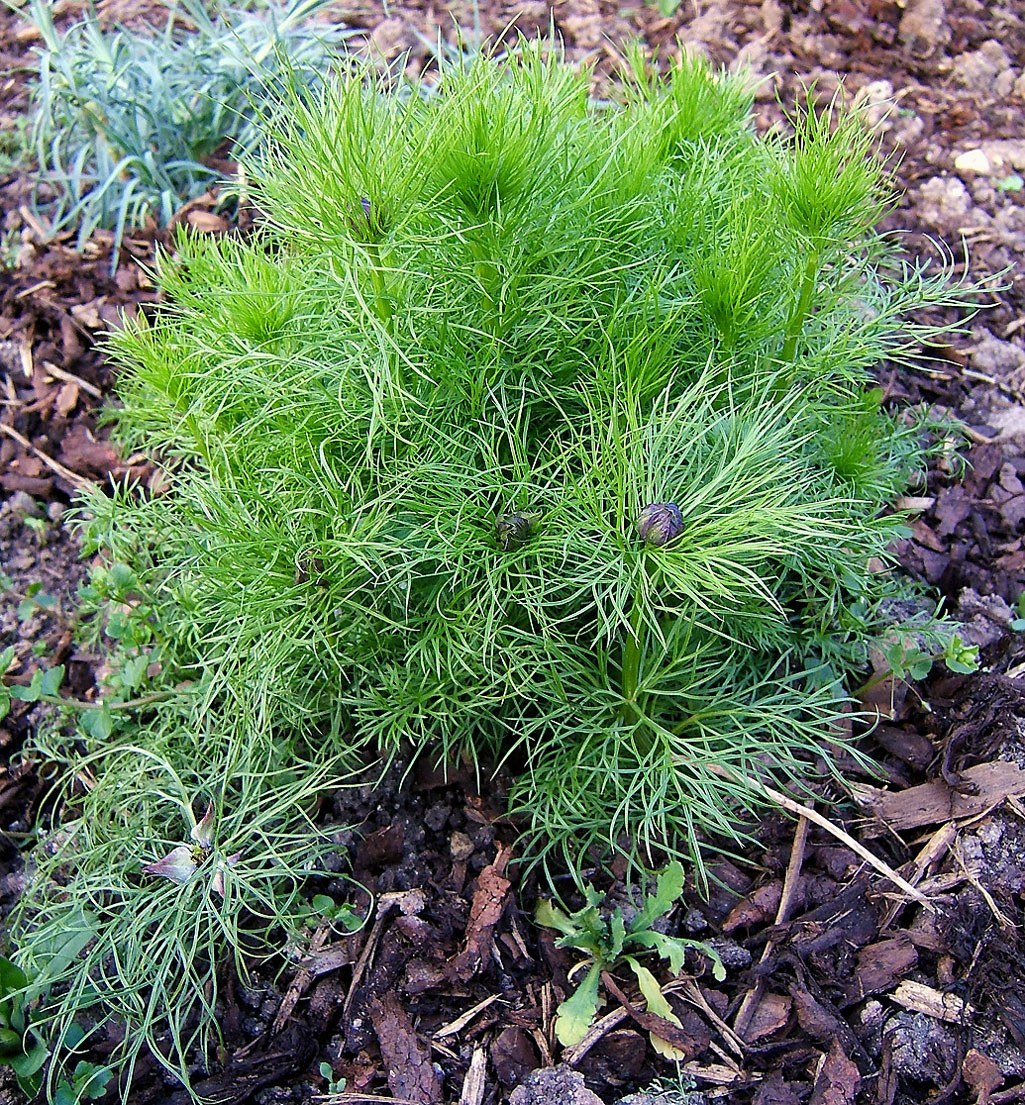
Love-in-a-Mist (Nigella damascena) is a cottage-garden annual prized for its ferny, thread-like foliage and starry blue, white, or pink flowers cradled in a misty halo of bracts, followed by ornamental inflated seed pods. It is one of the easiest annuals to grow from seed and thrives on a little benign neglect.
Light
Give Love-in-a-Mist full sun for the best flowering and sturdiest, most compact growth. It tolerates a little light afternoon shade in hot climates, but too much shade leads to floppy stems and fewer blooms.
Water
Water moderately and let the top of the soil dry slightly between waterings. Established plants are fairly drought-tolerant and dislike soggy ground, which can cause root rot. During prolonged dry spells, a deep weekly soak keeps flowering going.
Soil & Potting
Average, well-drained garden soil is ideal; it grows well in soils of only moderate fertility. Overly rich soil produces lush foliage at the expense of flowers. In containers, use a free-draining potting mix and a pot with good drainage holes.
Humidity & Temperature
This is a cool-season annual that performs best in the mild temperatures of spring and early summer. It resents prolonged heat and humidity, which shorten its life. In hot regions, sow early so it blooms before the peak of summer.
Feeding
Little to no feeding is needed. A single application of balanced fertilizer at planting is plenty. Avoid high-nitrogen feeds, which encourage floppy foliage and delay bloom.
Propagation
Grow from seed only, as Love-in-a-Mist has a taproot and resents transplanting. Direct-sow in autumn or early spring where the plants are to grow. Scatter seed thinly on prepared soil, cover lightly, and keep moist until germination. It self-seeds freely once established.
Repotting / Pruning
Because of its taproot, avoid moving plants once they sprout; thin seedlings instead of transplanting. Deadhead to prolong bloom, or leave some spent flowers to form the decorative papery seed pods and allow self-sowing. Successive sowings every few weeks extend the display.
Common Problems & Pests
Love-in-a-Mist is largely trouble-free. Root rot from waterlogged soil is the main issue, so ensure sharp drainage. In damp, crowded conditions powdery mildew or damping-off of seedlings can occur; give plants good spacing and airflow. Aphids occasionally cluster on stems and can be rinsed off with water.
Seasonal Care Tips
Sow in fall in mild-winter areas for early, robust spring plants, or in early spring elsewhere. Deadhead through the flowering season, then let a few pods ripen and shatter for next year's volunteers. Pull spent plants after seeds drop, and enjoy the dried pods in arrangements.
Frequently asked questions
Why isn't my Love-in-a-Mist flowering well?
Too much shade or overly rich soil are the usual culprits. Move it to full sun and avoid high-nitrogen feeding, which favors foliage over blooms.
Can I transplant Love-in-a-Mist seedlings?
It's best not to. The plant forms a taproot and resents disturbance, so direct-sow where it will grow and thin the seedlings rather than moving them.
Will Love-in-a-Mist come back each year?
It's an annual, but it self-seeds prolifically. Leave a few seed pods to ripen and shatter and you'll get volunteer plants the following season.
How do I get those decorative seed pods?
Simply stop deadheading late in the season and let the spent flowers mature into their inflated, papery pods, which are lovely fresh or dried.