Love-in-a-Mist
Nigella damascena
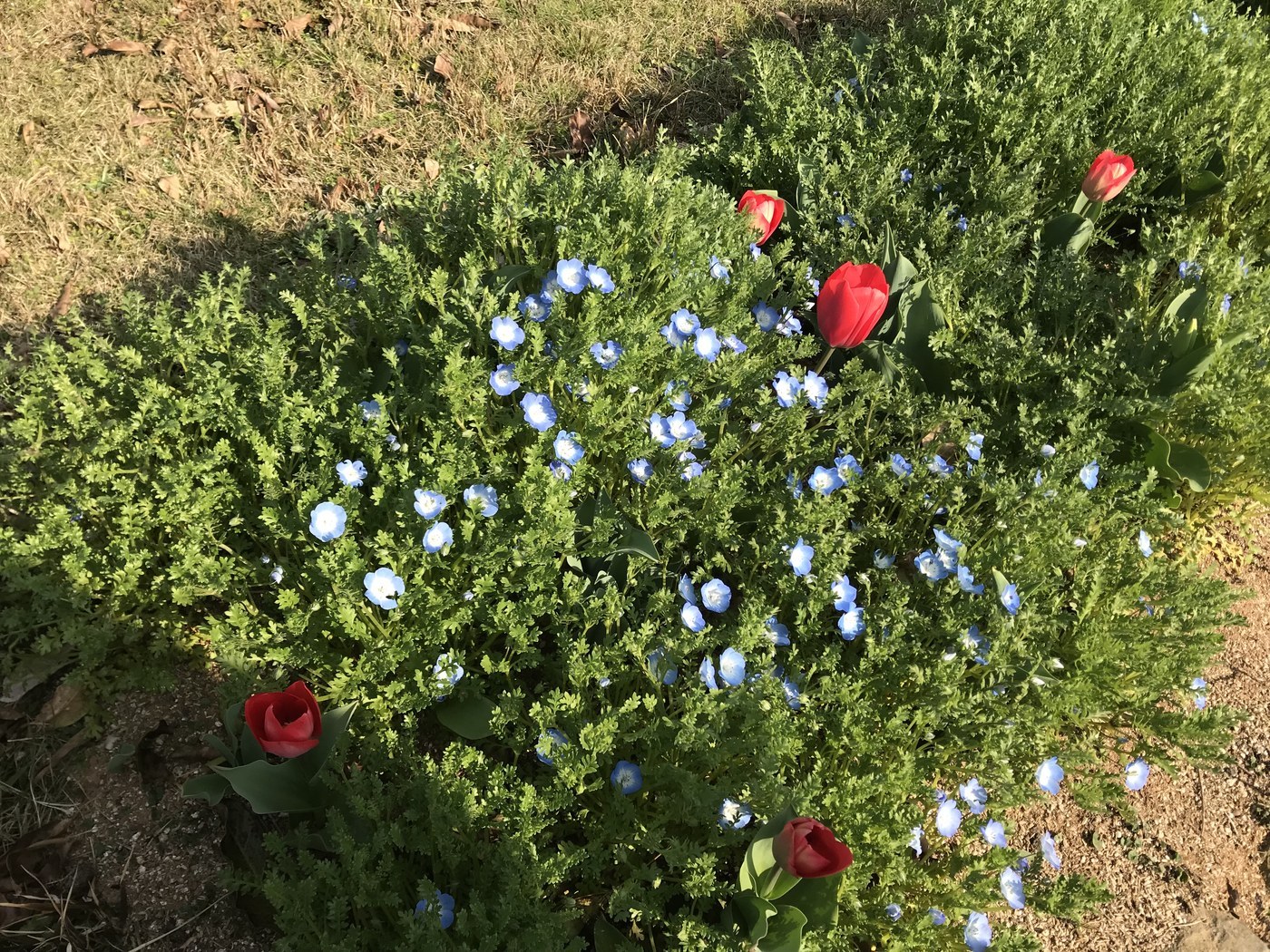
A delicate cottage-garden annual whose blue, white or pink flowers nestle in a misty halo of thread-like foliage, followed by ornamental inflated seed pods. Both the airy blooms and the balloon-like pods are prized for fresh and dried arrangements.
- Light
- Full sun
- Water
- Moderate; let soil dry slightly
- Difficulty
- Easy
Got a plant like this?
Identify any plant from a photo, free.
Overview
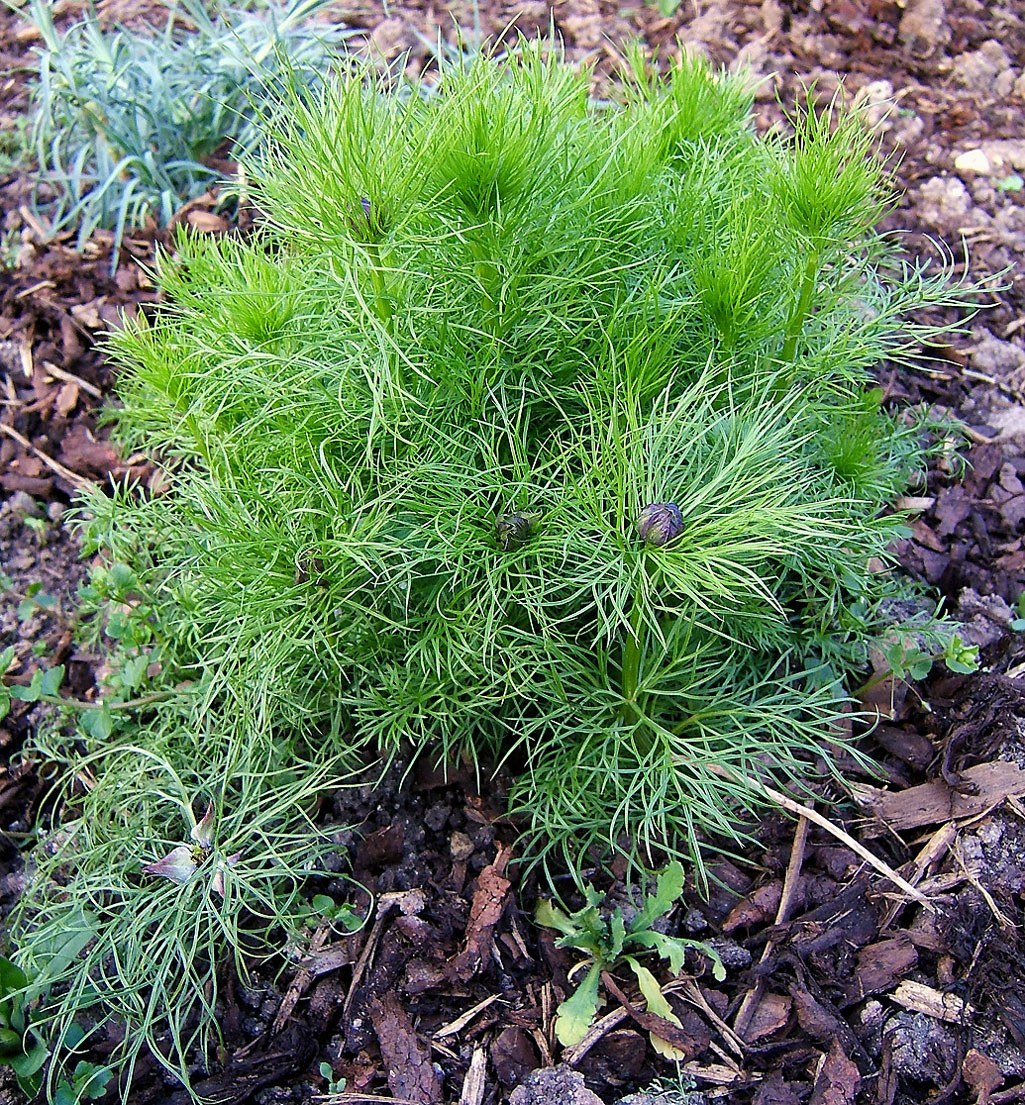
Love-in-a-mist is an old-fashioned hardy annual grown for its ethereal flowers surrounded by a 'mist' of finely divided, ferny bracts. After flowering, it forms striking inflated, horned seed capsules that are as decorative as the blooms.
Easy and self-sowing, it is a staple of cottage and cutting gardens, providing both delicate flowers and distinctive pods for crafts and bouquets.
How to identify it
- Upright, airy plant 1-2 ft (30-60 cm) tall
- Foliage is very finely divided into thread-like segments, creating a soft, misty effect
- Flowers are 1-1.5 in across, typically sky blue, also white, pink and purple, framed by a ruff of feathery bracts
- Seed pods are inflated, balloon-like capsules with horn-like projections, often purple-striped
- Both flower and pod are key identifiers
Care & growing
- Light: Full sun
- Water: Moderate; allow the soil to dry slightly between waterings
- Soil: Average, well-drained soil
- Temperature: Cool-season hardy annual that blooms in late spring and early summer
- Feeding: Minimal; rich soil is not required
- Propagation: Direct-sow seed in fall or early spring; resents transplanting because of its taproot and self-sows freely
Succession-sow every few weeks for a longer flowering period, and leave some pods to ripen for reseeding and drying.
Habitat & origin
Native to southern Europe, North Africa and southwest Asia around the Mediterranean, growing in open, disturbed and rocky ground.
Grown worldwide as a cottage-garden and cutting annual, and naturalized in parts of Europe and North America.
Frequently asked questions
Why is it called love-in-a-mist?
Each flower sits within a halo of fine, thread-like bracts that look like a soft mist, giving the plant its romantic common name.
Can I use the seed pods in arrangements?
Yes, the inflated, horned seed capsules dry beautifully and are widely used in fresh and dried floral crafts.
Does love-in-a-mist reseed itself?
Readily. Left to set seed, it self-sows and returns year after year, often appearing in new spots.
Is this the same plant as Nigella sativa?
No. Nigella sativa is a related species; love-in-a-mist (Nigella damascena) is grown mainly as an ornamental for its flowers and decorative pods.
Love-in-a-Mist guides
In-depth guides for identifying, growing, and caring for Love-in-a-Mist.
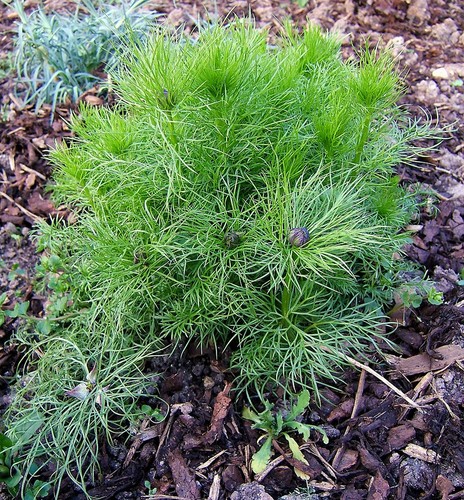
How to Care for Love-in-a-Mist
A charming hardy annual with feathery foliage and jewel-toned blooms nestled in lacy bracts, easy from direct-sown seed in full sun.
Love-in-a-Mist Identification Guide
Identify love-in-a-mist (Nigella damascena) by its delicate flowers nestled in a misty collar of thread-like foliage, followed by distinctive inflated, horned seed pods.