
How to Care for Lucky Bamboo
Grow easy-care Lucky Bamboo (Dracaena sanderiana) in water or soil with bright indirect light and clean, chlorine-free water.
Read the full Lucky Bamboo encyclopedia entry →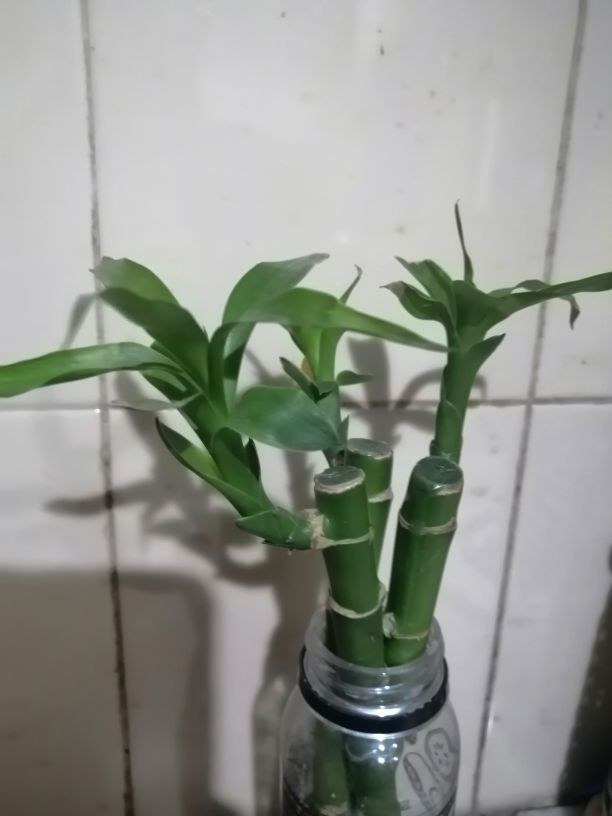
Lucky Bamboo is not a true bamboo but a member of the Dracaena family, popular for its glossy green stalks that are often trained into spirals, braids, and lattices. It is famously easy to grow and thrives either in a vase of water or in potting soil, making it one of the most forgiving houseplants.
Light
Give Lucky Bamboo bright, indirect light. An east-facing window or a bright interior spot away from direct sun is ideal. Direct sunlight scorches the leaves, turning them yellow or brown, while too little light causes stalks to stretch and fade. It tolerates lower light better than most plants but grows best with steady, filtered brightness.
Water
When grown in water, keep the roots submerged in about an inch or two of clean water and change it completely every one to two weeks to prevent stagnation and odor. Tap water high in chlorine or fluoride can brown the leaf tips, so use filtered, distilled, or tap water left out overnight to dissipate chlorine. If grown in soil, keep it lightly and evenly moist but never soggy.
Soil & Potting
Lucky Bamboo grows well in either water or soil. In water, anchor the stalks with clean pebbles or glass stones in a container tall enough to support them. In soil, use a rich, well-draining potting mix in a pot with a drainage hole, keeping it consistently moist. Plants in soil are generally more robust and longer-lived than those kept permanently in water.
Humidity & Temperature
Average household humidity suits it, though it appreciates a little extra moisture in dry air. Keep it in warm temperatures between 65 and 90 F (18 to 32 C) and away from cold drafts, heating vents, and air conditioners. It is sensitive to cold and should never be exposed to temperatures below about 50 F (10 C).
Feeding
Lucky Bamboo needs very little feeding. For plants in water, add a few drops of a diluted liquid houseplant fertilizer, or a specialized lucky bamboo fertilizer, every couple of months only. For soil-grown plants, feed with a weak, balanced liquid fertilizer once every month or two during the growing season. Overfeeding causes algae in water and leaf-tip burn.
Propagation
Propagate easily from stem cuttings. Cut a healthy stalk below a node, remove the lowest leaves, and place the cutting in clean water or moist soil. Roots typically form within a few weeks. Keep the water fresh during rooting. Cuttings from a parent with the desired shape will grow straight unless retrained.
Repotting / Pruning
Refresh water-grown plants by rinsing the roots and pebbles when you change the water, and move to a larger vessel if roots become crowded. Repot soil-grown plants every couple of years into fresh mix. Prune by trimming yellowing leaves and cutting back overgrown stalks just above a node; new shoots emerge from below the cut. To keep a compact shape, trim offshoots rather than the main stalk.
Common Problems & Pests
Yellowing leaves or stalks usually signal too much direct sun, chlorinated water, or overfeeding. Brown leaf tips point to chemical-heavy water or dry air. Mushy, yellow stalks indicate rot, often from dirty or stagnant water; discard affected stalks. Algae growth in clear containers is fixed by cleaning and using an opaque vessel. Occasional pests include mealybugs and spider mites, treated with insecticidal soap.
Seasonal Care Tips
Lucky Bamboo grows year-round indoors with little seasonal change. It grows a bit faster in the warm, brighter months, when light feeding helps most. In winter, keep it away from cold windowsills and drafts, and reduce or pause feeding. Change the water regularly in all seasons to keep it healthy.
Frequently asked questions
Why are my Lucky Bamboo leaves turning yellow?
Yellowing usually comes from too much direct sunlight, chlorinated or fluoridated water, or overfeeding. Move it to bright indirect light, switch to filtered or dechlorinated water, and cut back on fertilizer.
How often should I change the water for Lucky Bamboo?
Change the water completely every one to two weeks to keep it fresh and prevent odor or rot. Keep about one to two inches of clean, chlorine-free water covering the roots, and rinse the roots and pebbles when you refresh it.
Can I grow Lucky Bamboo in soil instead of water?
Yes, and it often does better in soil long term. Use a rich, well-draining potting mix in a pot with drainage, and keep it lightly and evenly moist but never soggy.
Why are the tips of my Lucky Bamboo turning brown?
Brown tips typically result from chlorine or fluoride in tap water or from dry air. Use filtered or distilled water, or leave tap water out overnight before using it, and boost humidity if your air is very dry.