
How to Care for Lupin
Lupins bring bold flower spires to the border in full sun and well-drained soil; deadhead to prolong the display.
Read the full Lupin encyclopedia entry →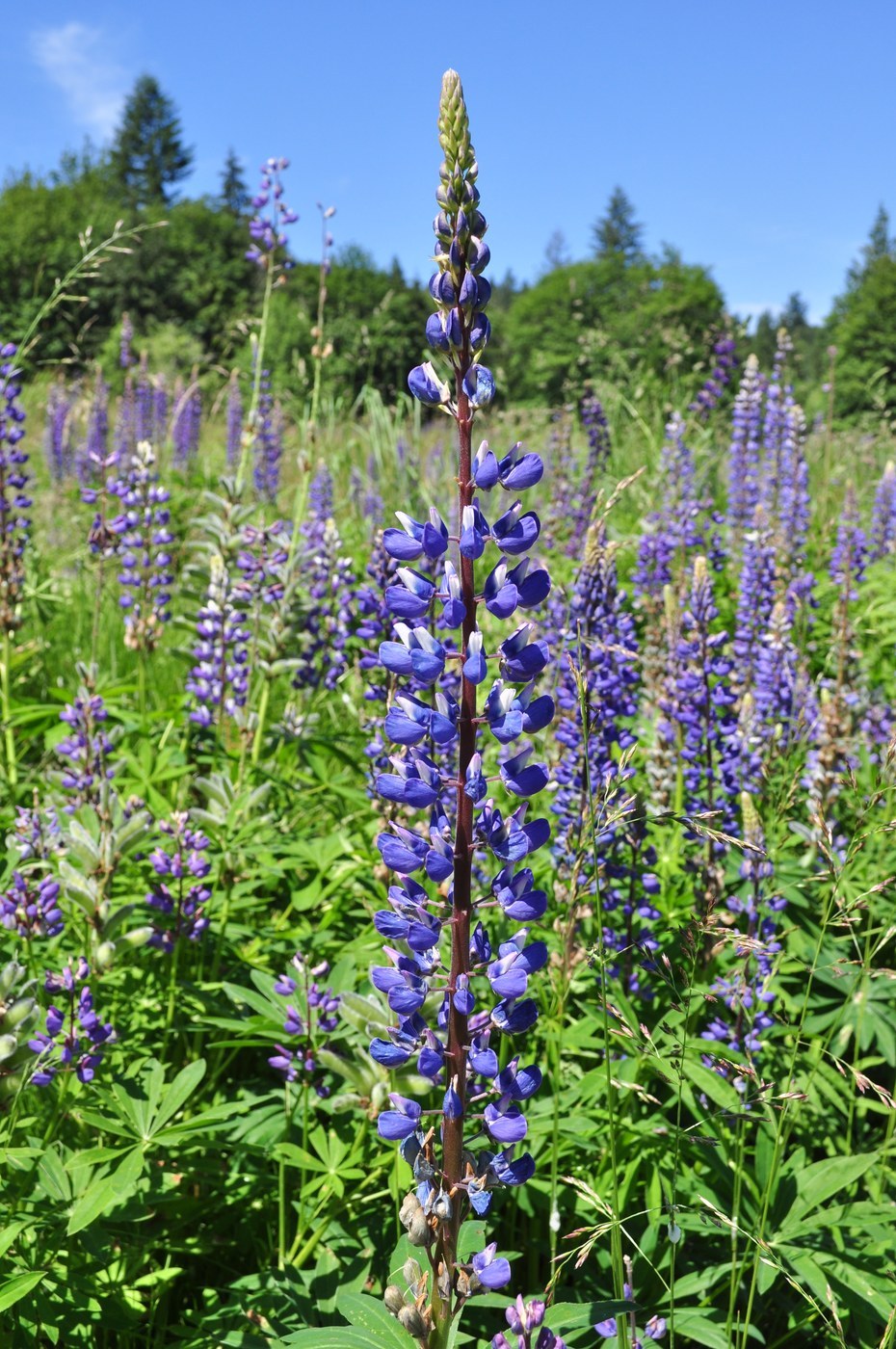
The Lupin (Lupinus polyphyllus) is a striking herbaceous perennial famed for its tall, densely packed spires of pea-like flowers in a wide range of colors, rising above palmate, deeply divided leaves. It is a rewarding cottage-garden plant of moderate difficulty, valued for its dramatic early-summer show.
Light
Grow Lupins in full sun to light shade. They flower most prolifically with at least six hours of direct sun, producing the tallest, strongest spires. Light shade is tolerated, especially in hot climates, but too much shade leads to weak, floppy growth and fewer blooms.
Water
Water moderately and keep the soil moist but never waterlogged. Lupins have deep taproots and dislike sitting in wet ground, so good drainage is essential. Water regularly during dry spells, particularly while flower spikes are developing, and mulch to help retain even moisture. Established plants tolerate short dry periods reasonably well.
Soil & Potting
Lupins prefer a light, well-drained, slightly acidic to neutral soil. They resent heavy, alkaline, or waterlogged conditions, which shorten their life and encourage rot. Sandy or loamy soils suit them best. Their deep taproot means they establish better from young plants set out early than from disturbing mature clumps. Enrich only lightly, as very rich soil can produce lush foliage at the expense of flowers.
Humidity & Temperature
Lupins are cool-climate perennials that thrive in regions with cool summers and cold winters, which they need for dormancy. They struggle in hot, humid summers, where they may be short-lived. Good airflow keeps the foliage dry and reduces disease.
Feeding
Lupins need little feeding and often flower best in modest soil. A light application of a low-nitrogen or balanced fertilizer in spring supports flowering, but avoid rich, nitrogen-heavy feeds, which favor leaves over blooms. A thin spring mulch of compost is usually plenty.
Propagation
Grow Lupins from seed sown in spring, ideally after nicking or soaking the hard seed coat to aid germination; seedlings develop their taproot quickly and dislike disturbance, so sow where they are to grow or in deep pots. Named cultivars are propagated from basal cuttings taken in spring, since they do not come true from seed. Division is difficult because of the taproot.
Repotting / Pruning
Deadhead spent flower spikes promptly to keep plants tidy and often trigger a smaller second flush of bloom. Cut foliage back after it dies down in autumn. Lupins are relatively short-lived perennials, so raising a few replacements from seed or cuttings every couple of years keeps the display going. Container plants need deep pots to accommodate the taproot.
Common Problems & Pests
Aphids, especially lupin aphid, can heavily infest flower spikes and shoots; knock them off with water or treat promptly. Slugs and snails damage young growth. Powdery mildew appears in dry, crowded, or stressed conditions, so ensure airflow and steady moisture. Crown and root rot occur in wet, heavy soil, making drainage the key preventive measure.
Seasonal Care Tips
Sow or plant in spring, setting young plants out while their taproots are small. Water and mulch as spikes form, and deadhead after the first flush to prolong bloom. Cut back foliage in autumn. In hot regions, treat Lupins as short-lived and refresh the planting regularly from seed or cuttings.
Frequently asked questions
How much sun do Lupins need?
At least six hours of full sun for the strongest spires, though they tolerate light shade. Too much shade causes weak, floppy stems and fewer flowers.
Why are my Lupins short-lived?
Lupins are naturally short-lived perennials, and hot, humid summers or heavy, wet soil shorten their life further. Provide well-drained soil and raise replacements from seed or cuttings.
Should I deadhead Lupins?
Yes. Removing spent flower spikes keeps plants tidy and often prompts a smaller second flush of blooms. Cut the foliage back once it dies down in autumn.
Can I grow Lupins from seed?
Yes. Nick or soak the hard seed before spring sowing, and sow where they will grow or in deep pots, since the fast-forming taproot dislikes being disturbed.