Lupin
Lupinus polyphyllus
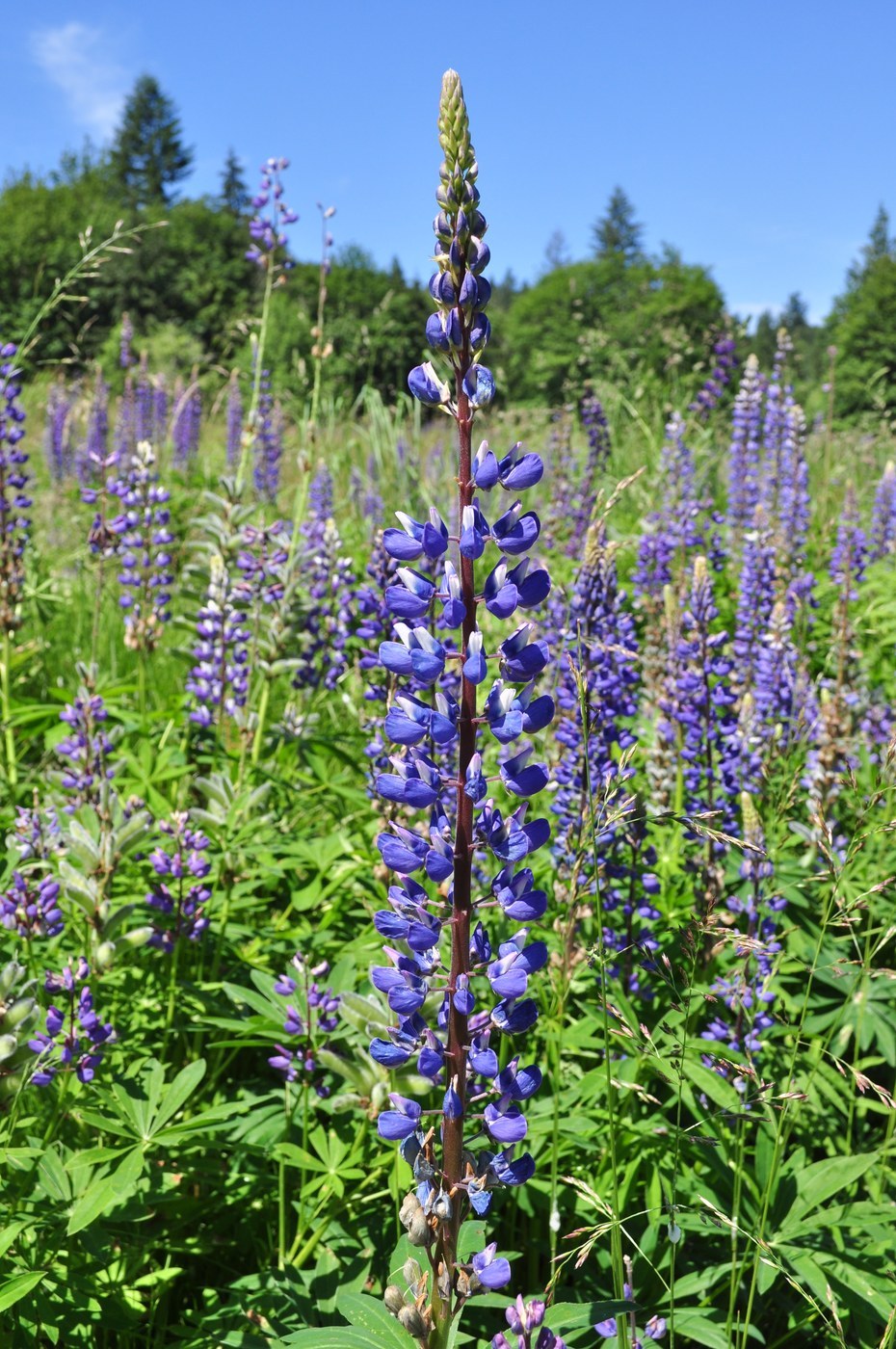
Lupin is a striking perennial bearing tall, dense spikes of pea-like flowers in vivid colors above palmate leaves. A legume, it fixes nitrogen and is a cottage-garden showstopper.
- Light
- Full sun to light shade
- Water
- Moderate; well-drained soil
- Difficulty
- Moderate
Got a plant like this?
Identify any plant from a photo, free.
Overview
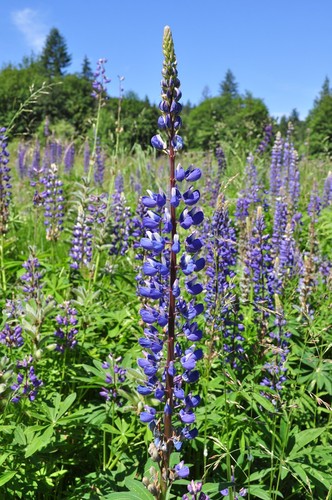
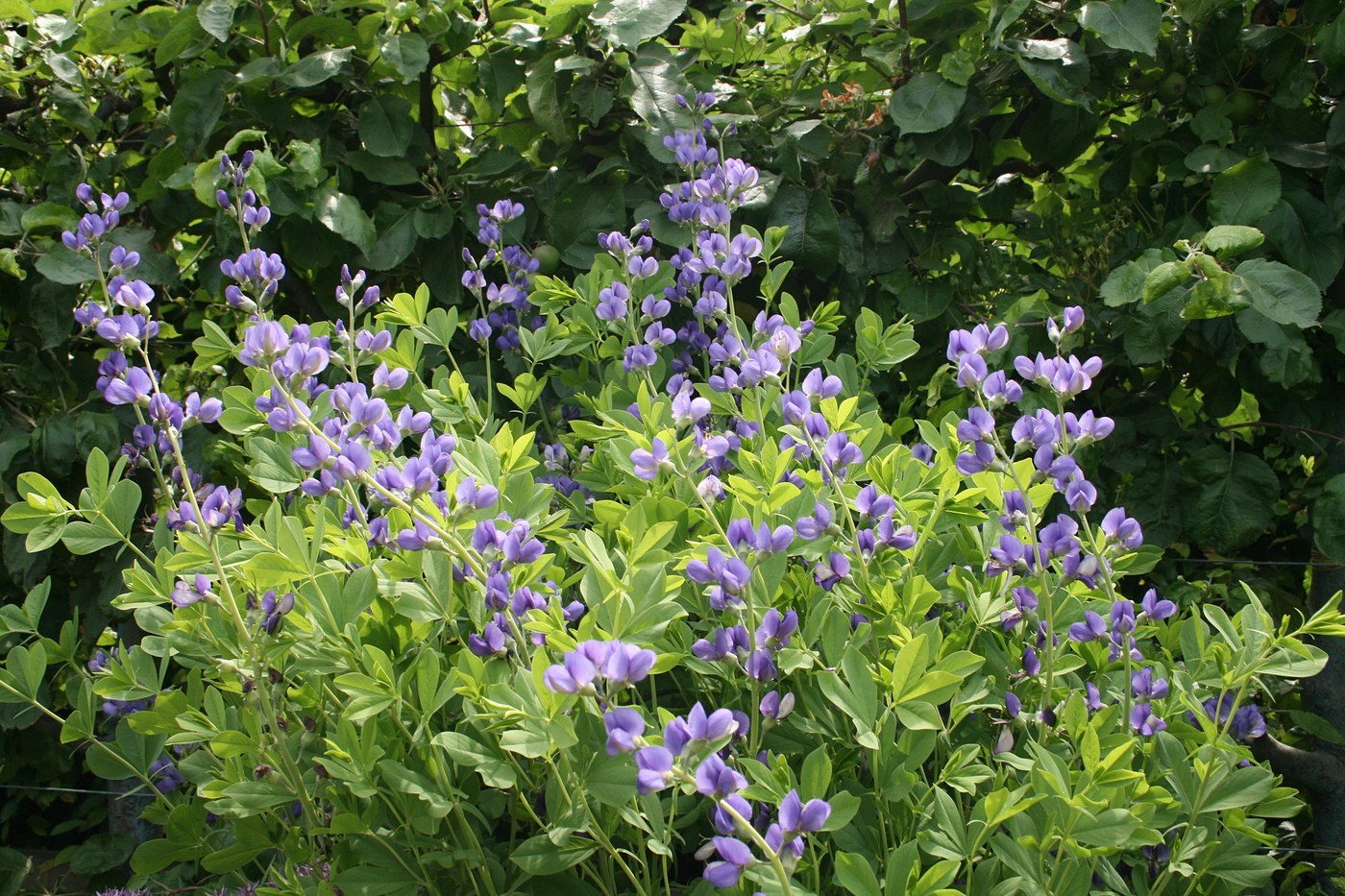
Lupin (Lupinus polyphyllus, and the popular Russell hybrids derived from it) is a clump-forming perennial legume famous for bold, candle-like flower spikes in blue, purple, pink, red, yellow, white and bicolors. The distinctive hand-shaped leaves are attractive in their own right.
As a member of the pea family, lupin fixes atmospheric nitrogen through root nodules, improving soil. It blooms in early summer and is a centerpiece of cottage and cool-climate gardens.
How to identify it
The palmate leaves and tall flower spikes are unmistakable.
- Flowers: pea-like blooms densely packed on erect spikes 1-2 ft long; wide color range including bicolors
- Leaves: palmately compound, with 9-17 leaflets radiating from a central point like fingers; often hold dewdrops attractively
- Habit: bushy clumps typically 2-4 ft tall
- Seed pods: hairy pea-like pods that dry and split, ejecting seeds
Care & growing
Lupins prefer cool summers and resent disturbance.
- Light: full sun to light shade
- Water: moderate and even; they dislike both drought and waterlogging
- Soil: light, well-drained, slightly acidic soil; they dislike heavy clay and high lime
- Temperature: hardy in cool climates (zones 4-8); struggle in hot, humid summers
- Feeding: minimal; being a legume, it needs little nitrogen
- Maintenance: deadhead spent spikes for possible rebloom
- Propagation: from seed (scarify or soak) or basal cuttings; taproot makes division difficult
Habitat & origin
Lupinus polyphyllus is native to western North America, where it grows in moist meadows, streamsides and roadsides. The garden Russell lupins were bred from it and related species.
Lupins thrive in cool, temperate climates and have naturalized in parts of Europe, New Zealand and elsewhere. They are popular in cottage gardens and cool-summer regions but short-lived in hot climates.
Frequently asked questions
Why don't my lupins survive hot summers?
Lupins are adapted to cool climates and are short-lived where summers are hot and humid. Provide good drainage, light afternoon shade, and grow fresh plants from seed.
Should I deadhead lupins?
Yes. Removing the main spike after it fades can encourage smaller secondary blooms and prevents excessive self-seeding.
Do lupins improve the soil?
Yes. As legumes, they fix nitrogen through root nodules, so they need little feeding and can benefit surrounding soil.
How do I recognize a lupin?
Look for distinctive palmately compound leaves with 9-17 finger-like leaflets and tall, dense erect spikes of pea-shaped flowers in a wide range of colors.
Lupin guides
In-depth guides for identifying, growing, and caring for Lupin.