
How to Care for Lupine
Grow bold lupine spires with full sun, cool moist soil, and light feeding for towering cottage-garden columns of color.
Read the full Lupine encyclopedia entry →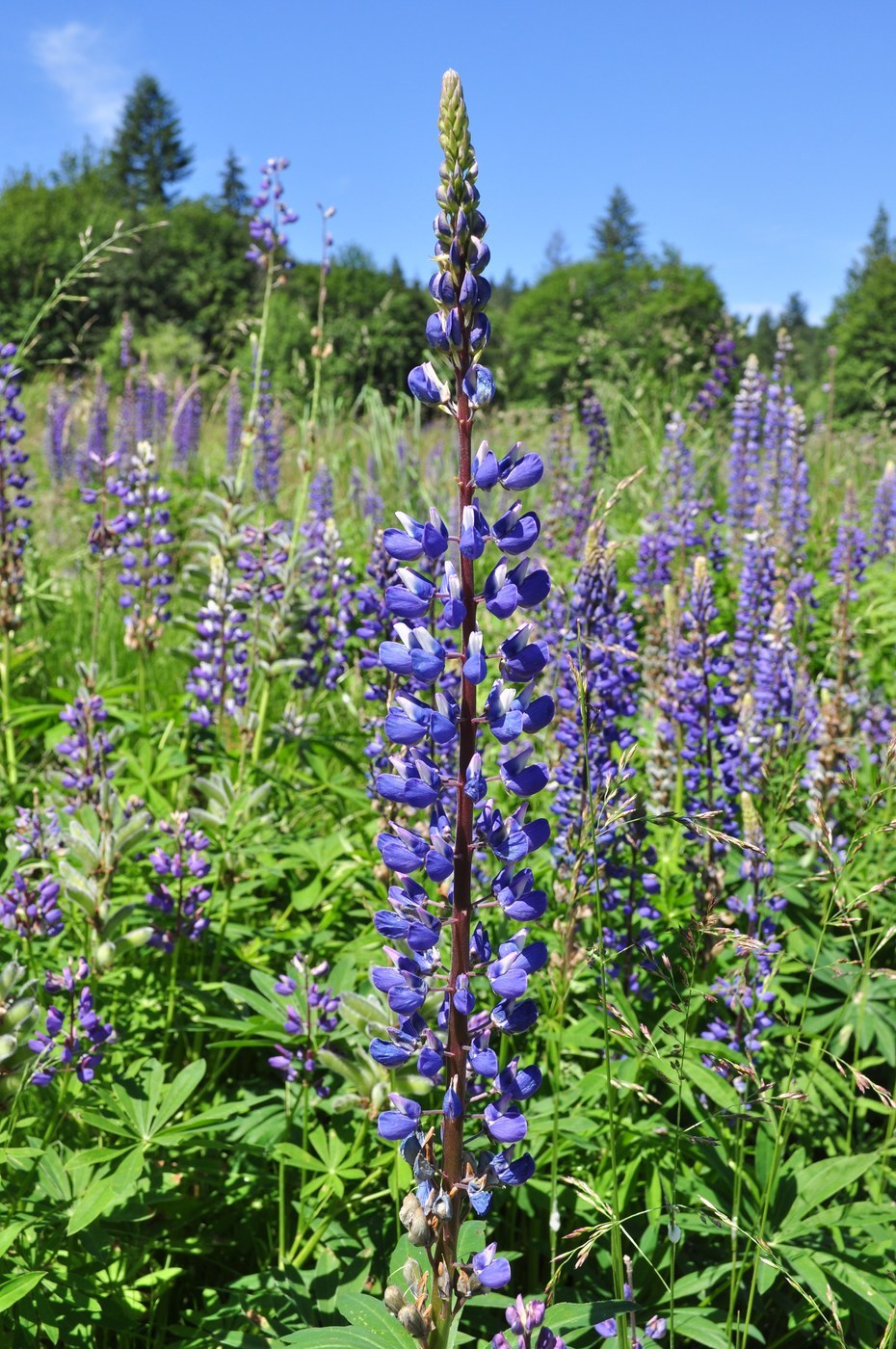
Lupine (Lupinus polyphyllus) is a classic cottage-garden perennial famous for its dense, towering spires of pea-like flowers in blues, purples, pinks, and whites above palm-shaped foliage. It is a moderate-care plant that rewards cool conditions and good drainage.
Light
Lupines flower best in full sun but appreciate some afternoon shade in hot climates, so full sun to part shade suits them. Too much shade produces weak, floppy spikes that lean and fewer blooms. In cooler regions, give them all the sun they can get; in warmer zones, dappled afternoon relief keeps them from fading fast.
Water
Provide moderate, weekly moisture, keeping the soil evenly damp but never waterlogged. Lupines have deep taproots and dislike sitting in soggy ground, yet they also resent drying out completely during active growth and bloom. Water at the base to keep foliage dry and reduce disease, increasing frequency during hot, dry spells and easing off after flowering.
Soil & Potting
Lupines prefer a light, well-drained soil on the slightly acidic to neutral side and generally dislike heavy, alkaline clay. As legumes, they fix their own nitrogen and thrive in soil that is not overly rich. Loosen the bed deeply to accommodate the long taproot. Because of that taproot they resent transplanting, so sow or plant where they are to grow and handle root disturbance minimally.
Humidity & Temperature
These are cool-climate plants that flourish where summers are mild and nights are cool. They tolerate cold winters well as hardy perennials but struggle in hot, humid summers, where they may fade quickly or grow short-lived. Good airflow around the foliage helps prevent the powdery mildew they are prone to in muggy conditions.
Feeding
Feed lightly, if at all. As nitrogen-fixing legumes, lupines make much of their own, and excess nitrogen encourages lush leaves with weak, sparse flower spikes. A modest application of a low-nitrogen or phosphorus-leaning fertilizer in spring supports bloom, but rich soils and heavy feeding are counterproductive. A thin layer of compost is usually sufficient.
Propagation
Lupines are most commonly grown from seed. Nick or soak the hard seed coat to speed germination and sow in place given the sensitive taproot. Named cultivars will not come true from seed, so gardeners wanting an exact color propagate by basal cuttings taken in spring, slicing shoots with a bit of the crown attached. Division is difficult because of the taproot and is generally avoided.
Repotting / Pruning
Deadhead spent spikes promptly to keep the plant tidy and sometimes trigger a smaller second flush. Cut flower stems back to the base once they fade. Foliage can be cut back after it declines in late summer. Because of the taproot, lupines are rarely potted long-term or moved once established; disturb the roots as little as possible.
Common Problems & Pests
Aphids, particularly lupine aphids, are the most notorious pest and can cluster heavily on stems and spikes; blast them off with water or manage early. Powdery mildew appears in humid weather or crowded plantings, so space plants and water at the base. Slugs and snails target tender new growth in spring. Crown or root rot follows waterlogged soil, another reason drainage matters.
Seasonal Care Tips
In spring, watch for aphids on emerging shoots and support tall varieties before they bloom. Through early summer, deadhead to prolong the display and keep soil evenly moist. In late summer, cut back tired foliage and let plants rest. Lupines are often short-lived perennials, so allow a few spikes to set seed each year to sustain the planting, or start fresh plants periodically.
Frequently asked questions
Why are my lupines flopping over?
Floppy spikes usually mean too little sun, overly rich soil, or wind exposure. Give lupines full sun to part shade, avoid heavy nitrogen feeding, and stake tall varieties before the flower spires get heavy. Sturdier growth comes from lean soil and bright light.
Can I move an established lupine?
It is risky. Lupines form a deep taproot and resent being dug up, often sulking or dying after transplant. It is far better to start new plants from seed or basal cuttings placed where you want them rather than relocating a mature clump.
How do I get my lupines to bloom more?
Deadhead spent spikes promptly to encourage repeat flowering, give them plenty of sun, and go easy on nitrogen fertilizer, which favors leaves over blooms. Cool conditions and even moisture during the growing season also produce the tallest, fullest spires.
Why do my lupines only last a few years?
Lupines are naturally short-lived perennials, especially in hot or humid climates. To keep them in the garden, let a few spikes set seed each year so new plants come up, or sow fresh seed periodically to maintain the display.