Lupine
Lupinus polyphyllus
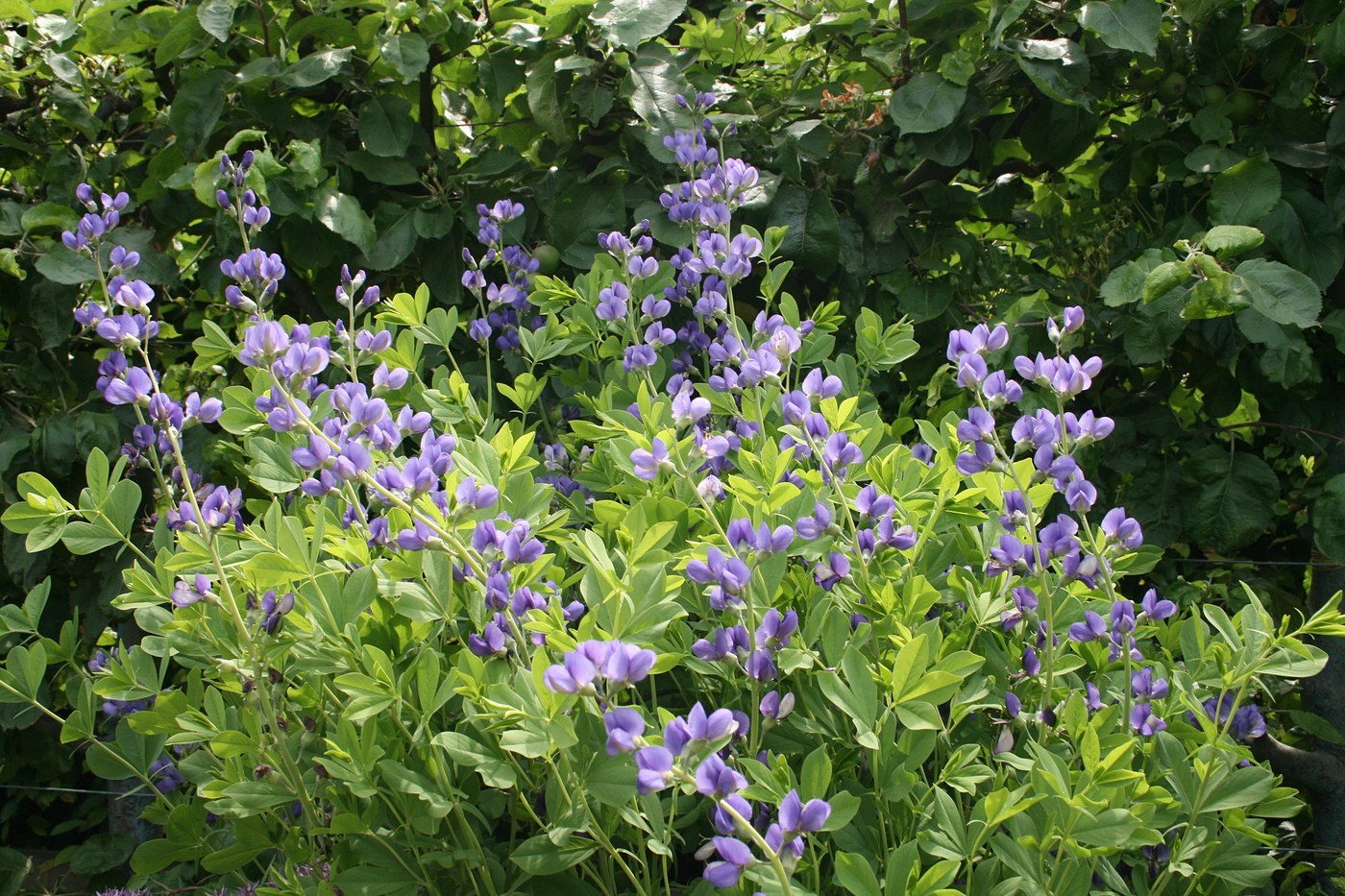
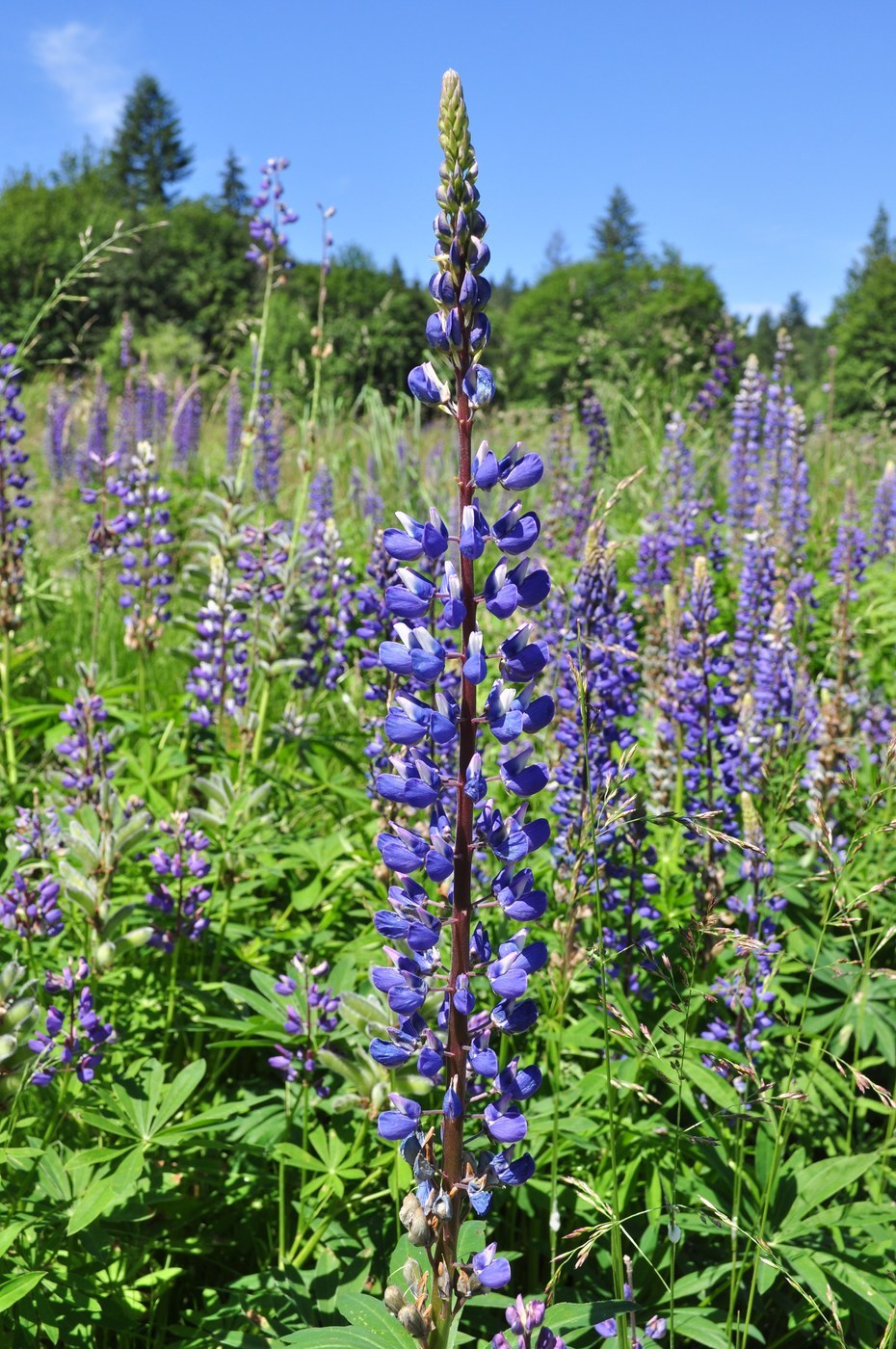
A striking cottage-garden perennial with tall, dense spires of pea-like flowers in vivid blues, purples, pinks, and bicolors above palmate leaves. A nitrogen-fixing legume beloved by bees.
- Light
- Full sun to part shade
- Water
- Weekly; moderate moisture
- Difficulty
- Moderate
Got a plant like this?
Identify any plant from a photo, free.
Overview
Lupines make a bold vertical statement with their tall, densely packed flower spikes rising above distinctive hand-shaped (palmate) leaves. The garden forms, especially the Russell hybrids derived from Lupinus polyphyllus, come in an exceptional range of colors and bicolors.
As members of the legume family, lupines fix nitrogen in the soil through root nodules, improving fertility. Their pea-like flowers are rich in nectar and draw bees.
They can be somewhat short-lived and fussy about heat and soil, but their dramatic early-summer display makes them a centerpiece of cottage and meadow gardens in cooler climates.
How to identify it
- Flowers: Tall, dense, upright spikes of pea-shaped blooms in blue, purple, pink, red, yellow, white, and bicolors
- Leaves: Distinctive palmate (hand-shaped), divided into radiating leaflets, often with a soft sheen that beads water
- Habit: Upright clump 2-4 ft tall
- Bloom time: Late spring to early summer
- Seeds: Borne in fuzzy pea-like pods after flowering
Care & growing
Light: Full sun to light shade; afternoon shade helps in hot climates.
Water: Moderate, even moisture; dislikes both drought and waterlogging.
Soil: Cool, moist, slightly acidic, well-drained soil; resents heavy clay and lime.
Temperature: Hardy in USDA zones 4-8; performs poorly in hot, humid summers.
Feeding: Minimal; as a nitrogen-fixer it needs little, and high nitrogen reduces flowering.
Propagation: Best from seed (scarify or soak first); they resent transplanting due to deep taproots. Deadhead spent spikes to encourage rebloom. Often short-lived, so let some self-sow.
Habitat & origin
Lupinus polyphyllus is native to western North America, where it grows in moist meadows, streamsides, and clearings. Other lupines, including the Texas bluebonnet, range across the Americas and the Mediterranean.
The big-leaf lupine has naturalized widely in cool, temperate regions and is grown in gardens worldwide, thriving especially in cooler maritime climates.
Frequently asked questions
Why are lupines hard to transplant?
They form a deep taproot that resents disturbance. Sow seeds where they are to grow, or transplant only when very young.
How do I improve lupine seed germination?
Scarify the hard seed coat by nicking it or soaking the seeds overnight in water before sowing. This helps moisture penetrate and speeds sprouting.
Are lupines perennial?
Garden lupines are short-lived perennials, often strong for only a few years. Letting them self-sow keeps a continuous patch going.
How can I recognize a lupine?
Look for distinctive palmate leaves divided into radiating finger-like leaflets and tall, dense upright spikes of pea-shaped flowers in many colors.
Lupine guides
In-depth guides for identifying, growing, and caring for Lupine.
How to Care for Lupine
Grow bold lupine spires with full sun, cool moist soil, and light feeding for towering cottage-garden columns of color.
Lupine Identification Guide
Identify lupines (Lupinus) by their palmate, hand-shaped leaves and tall, dense spikes of pea-like flowers, followed by hairy seed pods.