
How to Care for Madagascar Palm
Grow a striking Pachypodium lamerei with strong light, careful watering, and a fast-draining succulent mix for a sculptural spined trunk.
Read the full Madagascar Palm encyclopedia entry →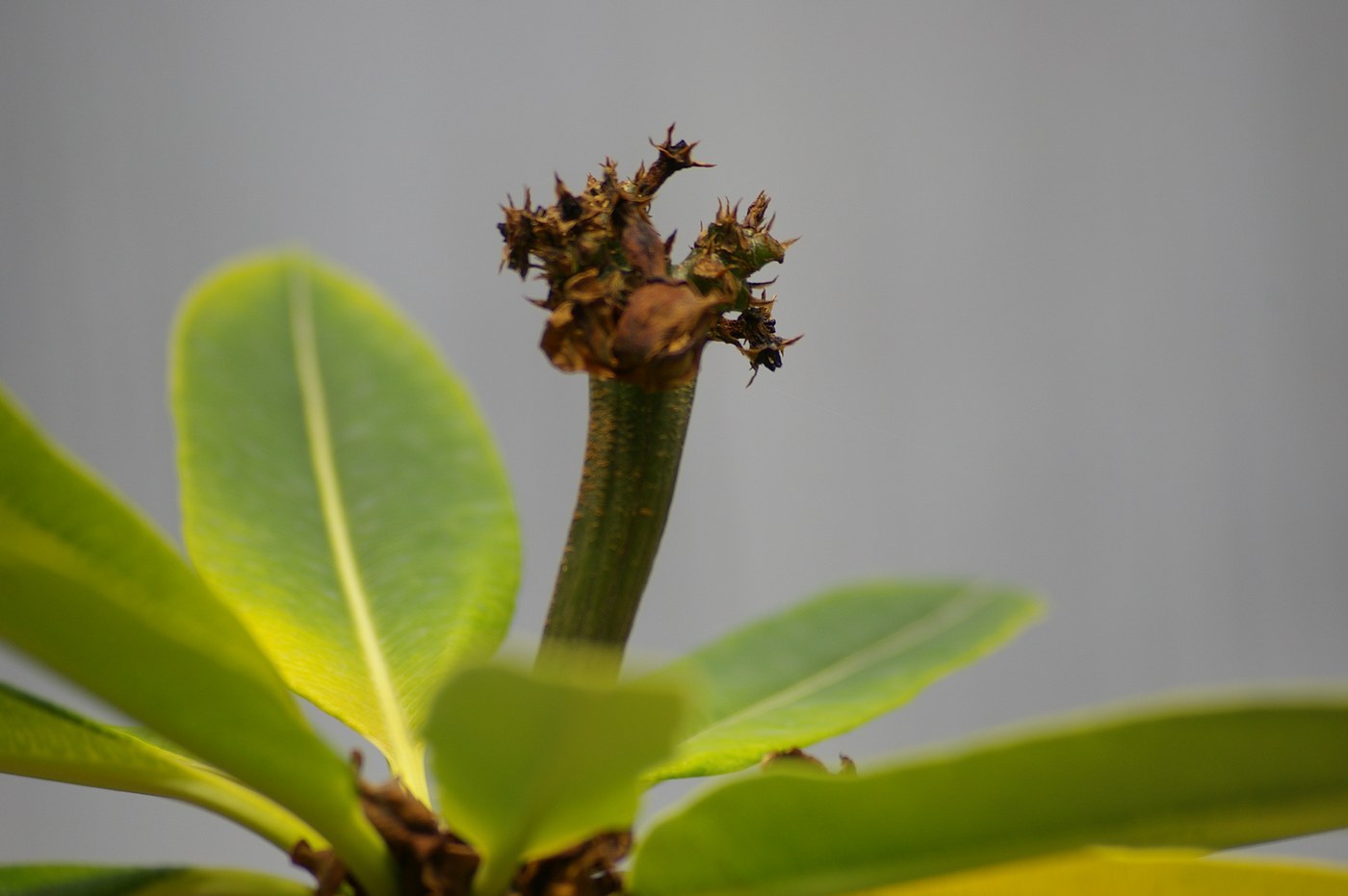
Despite its common name, the Madagascar Palm (Pachypodium lamerei) is not a true palm but a caudiciform succulent with a thick, silvery, spine-covered trunk topped by a crown of glossy strap-like leaves. It rewards a bright spot and a light hand with water, making it a dramatic architectural houseplant.
Light
Give it the brightest position you can. A south- or west-facing window with several hours of direct sun keeps the trunk stout and the leaf crown compact. In low light the stem etiolates, stretching thin and pale, and leaf production drops. Acclimate it gradually to summer outdoor sun to avoid scorch, and rotate the pot every couple of weeks so growth stays symmetrical.
Water
Water moderately during the active growing season from spring through early autumn, soaking the mix thoroughly and then letting the top several centimeters dry before watering again. This plant stores moisture in its swollen trunk, so it tolerates dryness far better than sogginess. In winter it usually drops its leaves and goes dormant; withhold water almost entirely, giving only an occasional sip to keep the trunk from shriveling. Overwatering, especially in cool conditions, is the most common cause of trunk rot.
Soil & Potting
Use a gritty, fast-draining cactus and succulent mix, ideally amended with extra pumice, coarse sand, or perlite so water runs straight through. A heavy pot such as terracotta helps counterbalance the top-heavy crown and wicks away excess moisture. Always use a container with a drainage hole; standing water at the roots is fatal.
Humidity & Temperature
Average to low household humidity suits it perfectly. It thrives in warmth, ideally 18-29C during the growing season, and should be kept above about 10C in winter. Protect it from cold drafts and sudden temperature swings, which can trigger unexpected leaf drop.
Feeding
Feed lightly with a balanced, diluted liquid fertilizer or a low-nitrogen cactus feed once a month through spring and summer only. Stop feeding entirely in autumn and winter while the plant is dormant. Over-fertilizing produces weak, soft growth prone to problems.
Propagation
Madagascar Palm is most reliably grown from seed, which germinates readily in warm, moist, well-drained conditions. Mature plants occasionally produce basal offshoots that can be removed, allowed to callus for several days, and rooted in dry succulent mix. Handle the spiny trunk with thick gloves during any propagation work.
Repotting / Pruning
Repot only every two to three years, in spring, when roots fill the pot. Let the soil dry out first so the rootball slides free cleanly, and wear gloves or wrap the trunk in folded cardboard to manage the spines. Little pruning is needed; simply remove spent or yellowing leaves. If you cut the growing tip, the plant may branch, giving a candelabra shape.
Common Problems & Pests
Soft, blackening, or mushy trunk tissue signals rot from overwatering or cold, and is difficult to reverse once advanced. Seasonal leaf drop in winter is normal and not a cause for alarm. Watch for mealybugs in leaf axils and spider mites in dry indoor air; treat with insecticidal soap or by wiping affected areas. Stretched, floppy growth means it needs far more light.
Seasonal Care Tips
In spring, resume watering gradually as new leaves emerge and begin monthly feeding. Summer is peak growth; give maximum light and consistent moderate watering. In autumn taper off water and stop feeding. Through winter keep it warm, bright, and nearly dry, accepting that a bare trunk is a normal dormant state rather than a sign of decline.
Frequently asked questions
Why is my Madagascar Palm dropping all its leaves?
Leaf drop in autumn and winter is usually normal seasonal dormancy. The plant will releaf in spring. If it drops leaves in the growing season, check for cold drafts, sudden temperature changes, or overwatering.
Is the Madagascar Palm actually a palm?
No. It is a succulent in the genus Pachypodium. The palm-like crown of leaves atop a tall trunk gives it the nickname, but its care mirrors that of cacti and other succulents.
How often should I water it?
Water thoroughly in spring and summer once the top few centimeters of mix are dry, then withhold almost all water in winter dormancy. Its trunk stores moisture, so err on the dry side.
Why is my plant growing tall and thin?
Etiolation from insufficient light. Move it to the brightest possible window with some direct sun and rotate it regularly to encourage stout, compact growth.