How to Care for Magnolia
Grow stately Southern magnolia with full sun, rich acidic soil, and steady moisture while young for glossy leaves and fragrant blooms.
Read the full Magnolia encyclopedia entry →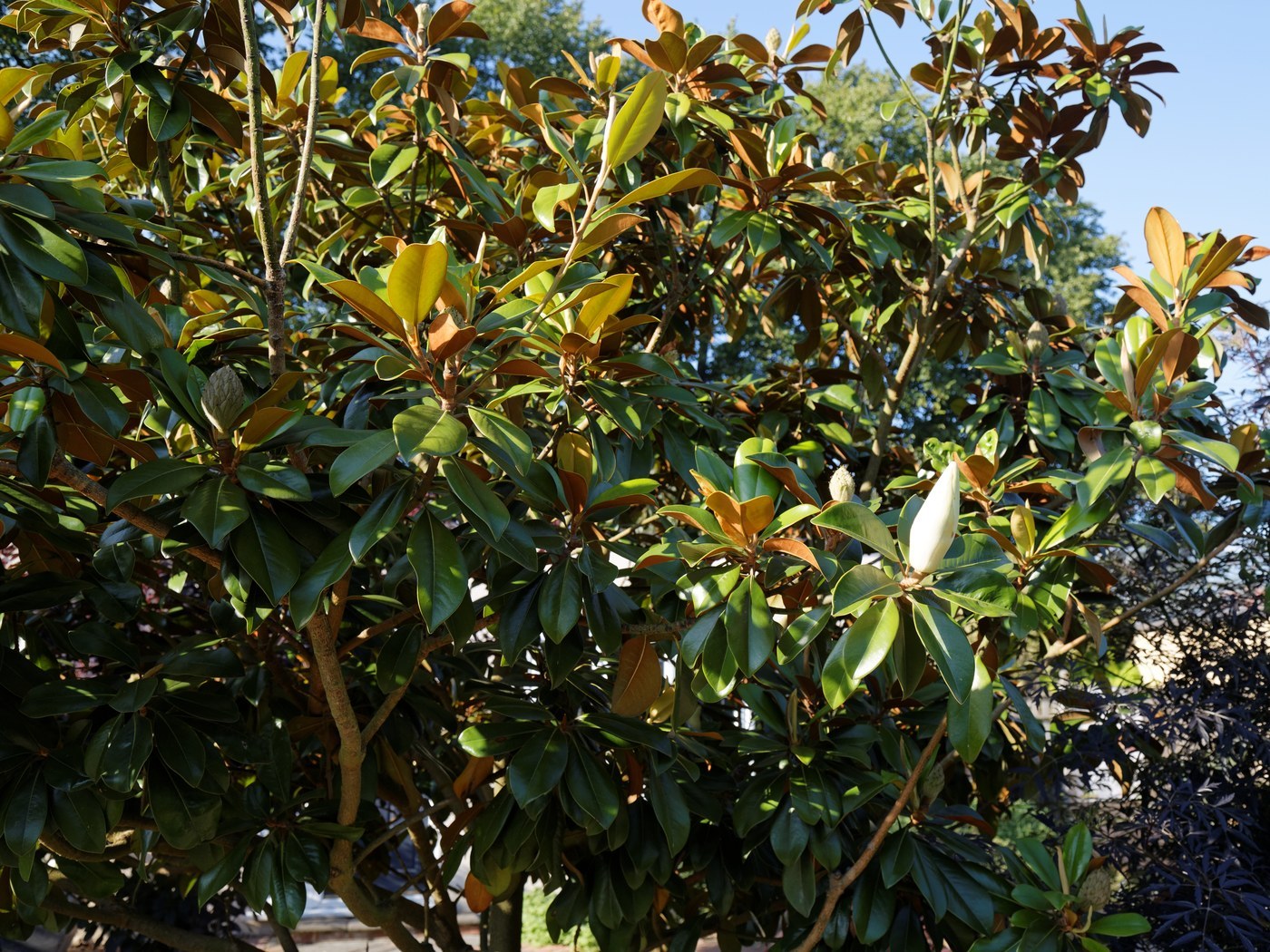
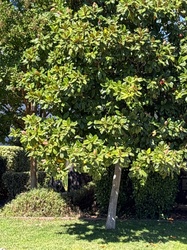
The Southern magnolia (Magnolia grandiflora) is a majestic evergreen tree with large, glossy dark-green leaves and enormous, fragrant creamy-white flowers. It is a long-lived landscape specimen that, once established, becomes remarkably self-sufficient with the right start.
Light
Magnolia grows best in full sun to partial shade. Full sun produces the densest canopy and heaviest flowering, while a few hours of afternoon shade is tolerated, especially in hot climates. Choose a permanent site with room for its substantial mature spread, as magnolias resent being moved once mature.
Water
Water regularly and deeply during the first two or three years to establish a strong root system, keeping the root zone consistently moist. Once established, the tree becomes moderately drought-tolerant and needs supplemental water mainly during extended dry spells. A thick mulch layer over the roots conserves moisture and moderates soil temperature.
Soil & Potting
Magnolias prefer rich, well-drained, slightly acidic soil (pH around 5.5-6.5) with plenty of organic matter. They dislike heavy clay that stays waterlogged and struggle in very alkaline conditions, which can cause leaf yellowing. Improve planting sites with compost and maintain an organic mulch, keeping it a few inches back from the trunk.
Humidity & Temperature
Native to the warm, humid southeastern climate, Southern magnolia thrives in mild to hot temperatures and appreciates humidity. It is hardy in warm-temperate zones but can suffer leaf scorch and dieback in severe cold. Shelter young trees from harsh, drying winter winds.
Feeding
Feed young trees in early spring with a balanced or acid-forming slow-release fertilizer to support steady growth. Mature, established magnolias rarely need feeding if grown in decent soil with mulch. Avoid heavy late-season fertilizing, which can push tender growth vulnerable to cold.
Propagation
Magnolias are propagated by seed, semi-hardwood cuttings taken in summer, or layering. Seed-grown trees are slow and take many years to flower, while cuttings and layering preserve a desirable form more quickly. Named cultivars are usually grafted for reliable flowering and habit.
Repotting / Pruning
Magnolias need little pruning; shape lightly to remove dead, damaged, or crossing branches, ideally just after flowering. They flower on established wood, so avoid hard pruning. Container-grown young trees can be potted up as they grow, but plan to move them to their permanent ground location while still small.
Common Problems & Pests
Magnolias are generally robust. Scale insects and, in some regions, magnolia-specific scale can infest branches; treat with horticultural oil. Leaf spot and sooty mold (following sap-sucking pests) may occur but rarely threaten the tree. Yellowing leaves often signal alkaline soil or iron deficiency, correctable with acidifying amendments. The tree naturally sheds some old leaves year-round.
Seasonal Care Tips
Plant in spring or early autumn to allow root establishment before extremes. Water diligently through the first summers. Renew mulch each spring and apply any fertilizer then. In colder zones, protect young trees over winter and avoid pruning in late summer or fall so growth hardens off before cold weather.
Frequently asked questions
How much sun does a Southern magnolia need?
Full sun to partial shade. Full sun gives the fullest canopy and most flowers, though a few hours of afternoon shade is fine in hot climates.
How often should I water a young magnolia?
Water deeply and regularly for the first two to three years to establish roots, keeping the root zone consistently moist. Established trees need water mainly in droughts.
What soil is best for magnolias?
Rich, well-drained, slightly acidic soil with plenty of organic matter. Avoid waterlogged clay and very alkaline ground, which can cause leaf yellowing.
When and how should I prune a magnolia?
Prune lightly just after flowering, only to remove dead, damaged, or crossing branches. Magnolias need little pruning and flower on established wood, so avoid hard cuts.
Why are my magnolia's leaves turning yellow?
Yellowing often points to alkaline soil or iron deficiency. Improve acidity with compost and acidifying amendments, and maintain an organic mulch layer.
Magnolia identified by the community
Recent Magnolia specimens identified with Plant Identifier.