Magnolia
Magnolia grandiflora
Magnolias are ancient flowering trees and shrubs prized for their large, fragrant, cup- or star-shaped blooms. They range from evergreen Southern magnolias to deciduous spring-flowering types.
- Light
- Full sun to partial shade
- Water
- Regular when young; moderate once established
- Difficulty
- Moderate
Got a plant like this?
Identify any plant from a photo, free.
Overview
Magnolias are among the most ancient flowering plants, with fossils predating bees—their flowers are thought to have evolved for beetle pollination. The genus spans large evergreen trees, deciduous spring-blooming trees, and shrubs.
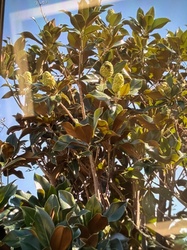
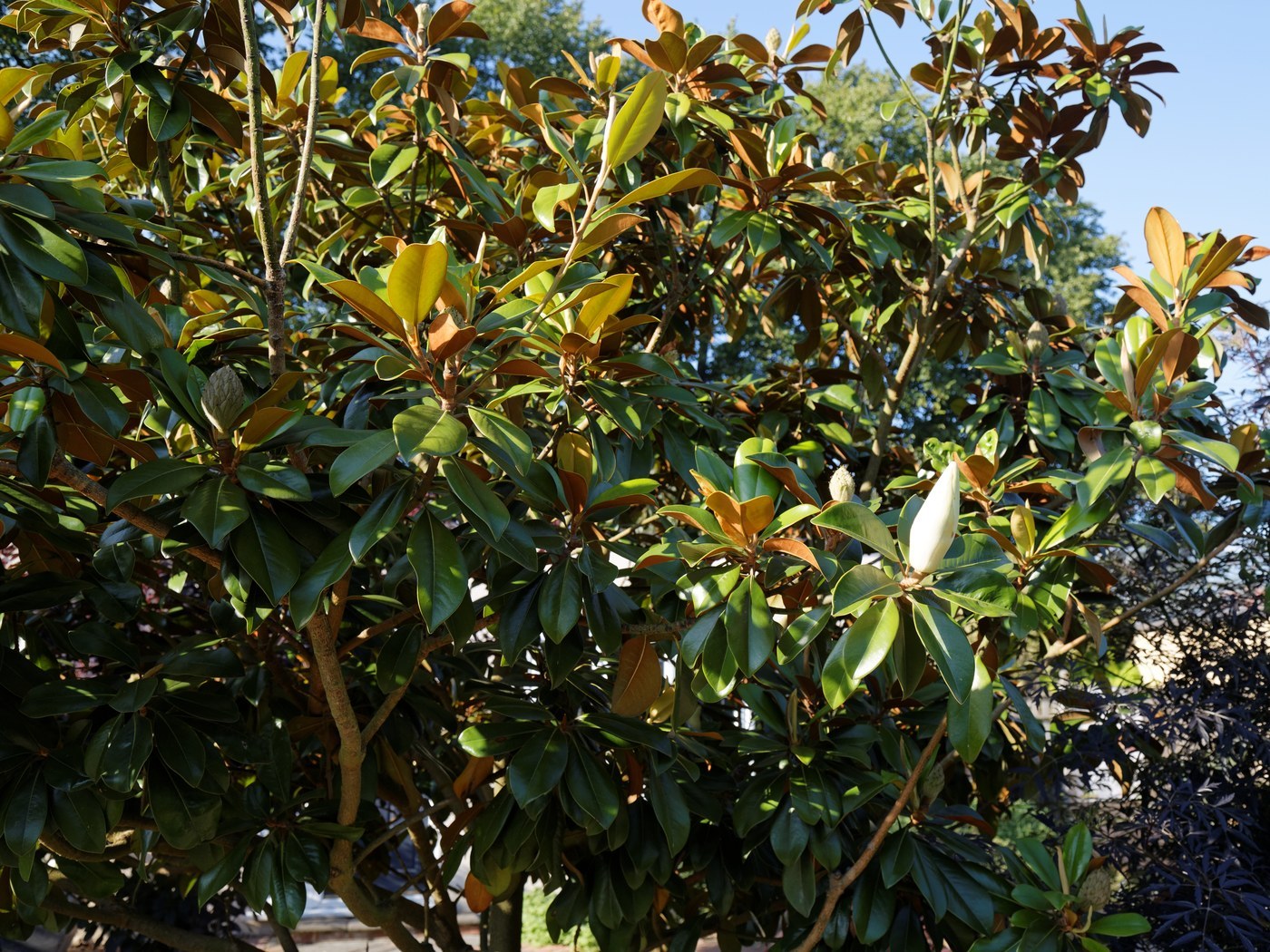
Magnolia grandiflora, the Southern magnolia, is a stately evergreen with huge fragrant white flowers and glossy leaves, while deciduous types like the saucer magnolia bloom dramatically on bare branches in early spring.
How to identify it
Identified by large, showy, often fragrant flowers and bold foliage.
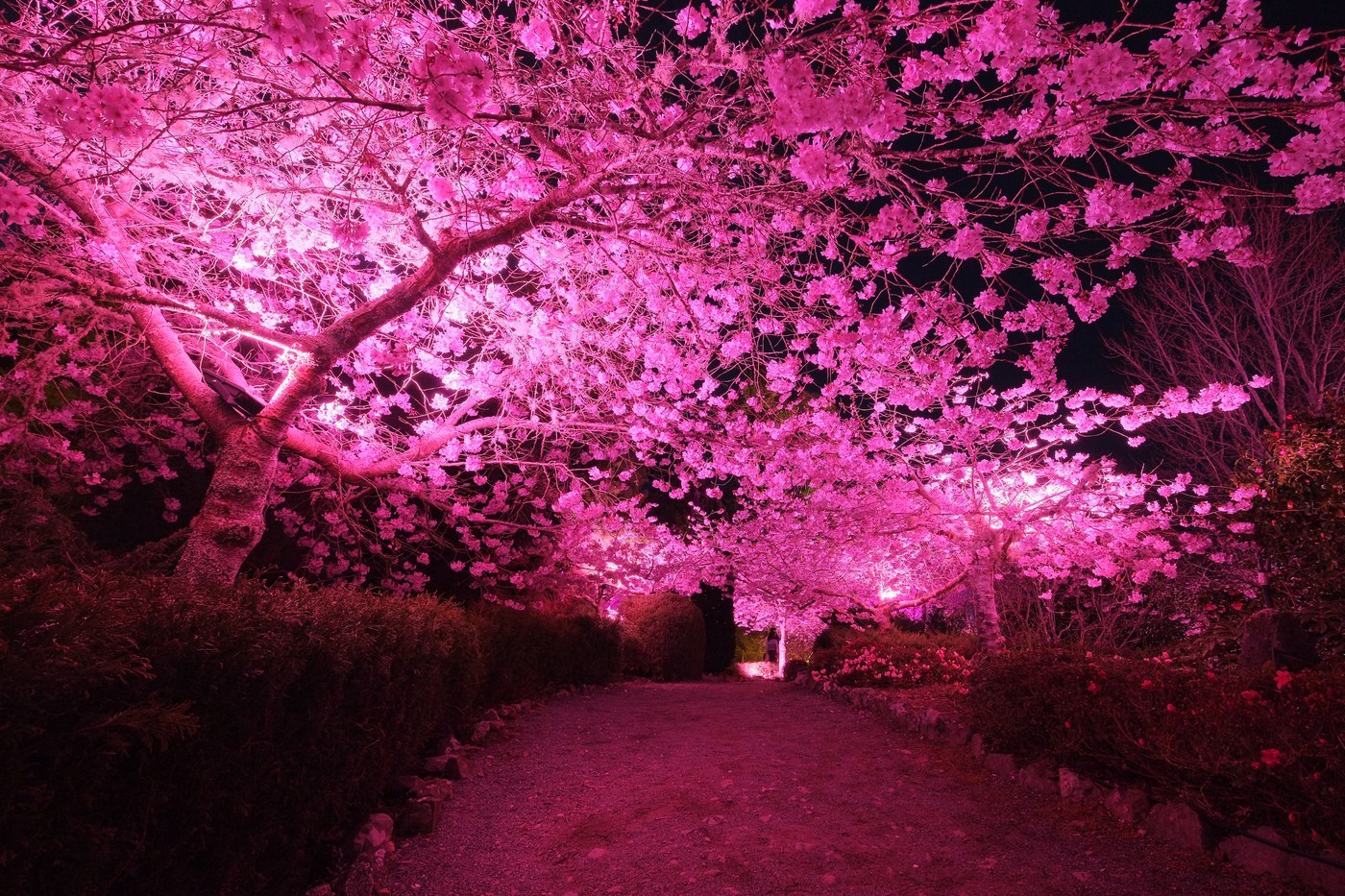
- Flowers: Large, cup- or star-shaped, in white, pink, purple, or cream, often fragrant
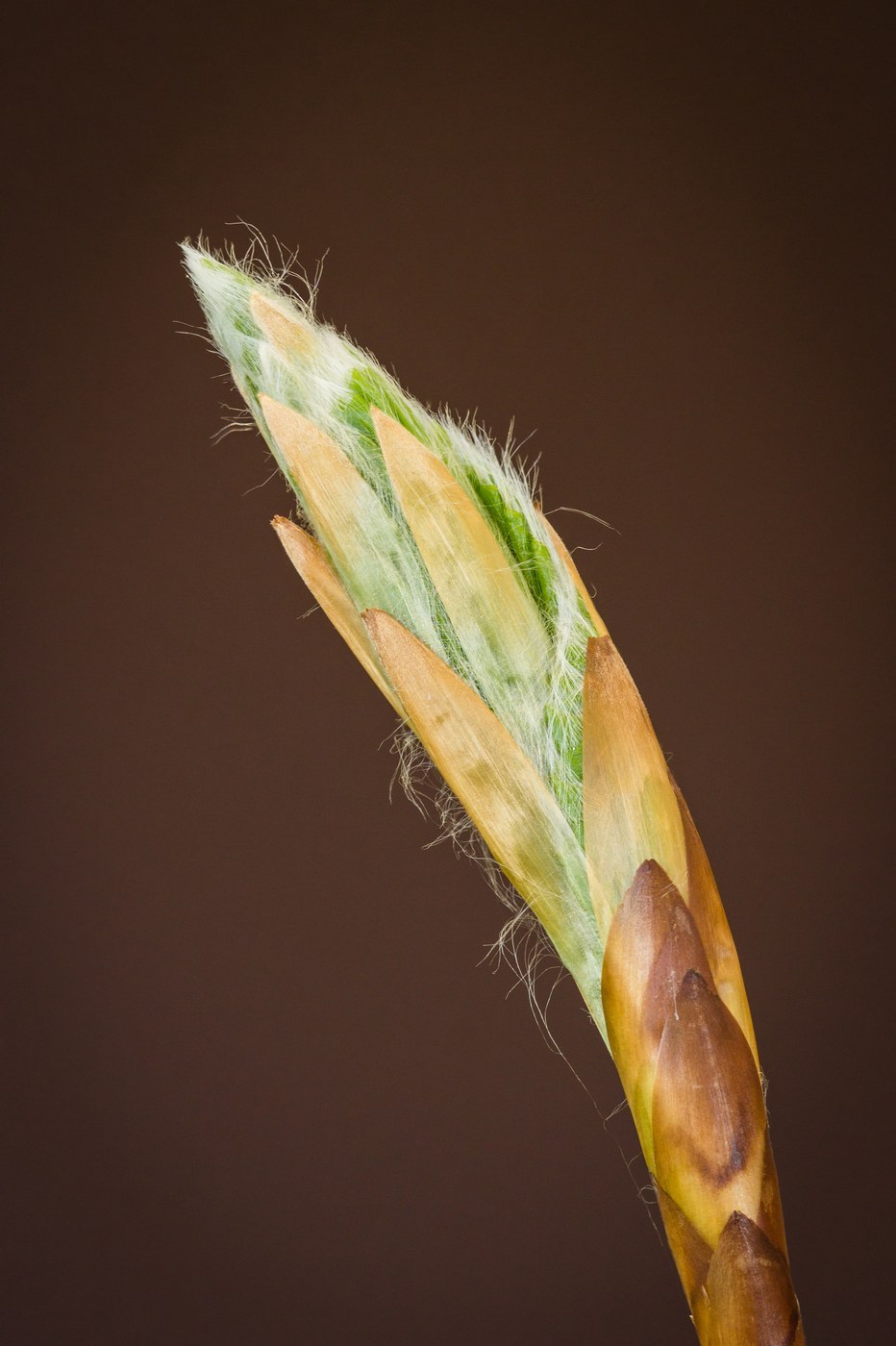
- Leaves: Large, simple; glossy and leathery in evergreen types, often with rusty undersides
- Fruit: Cone-like aggregate fruit releasing bright red seeds
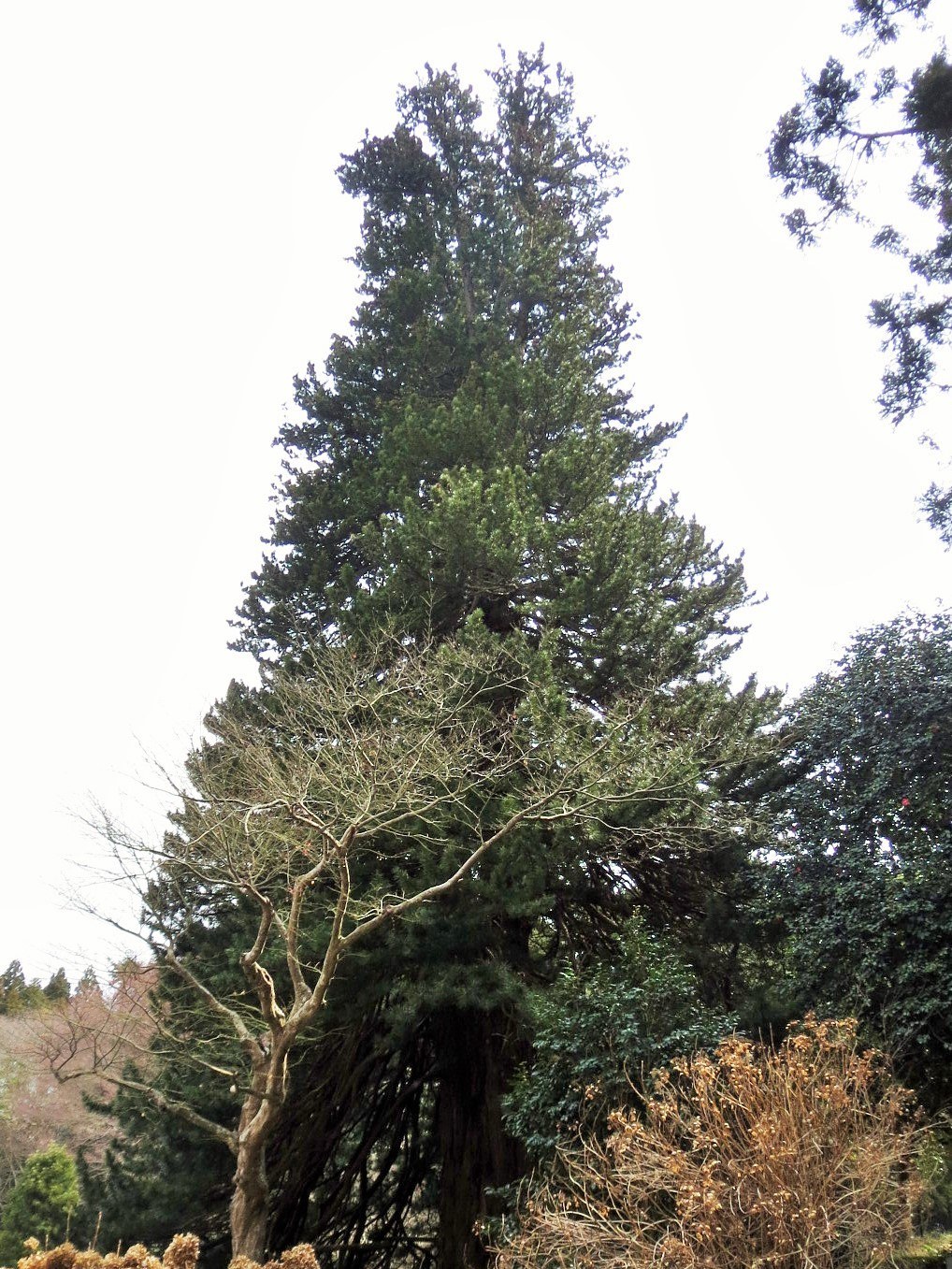
- Habit: From large pyramidal evergreen trees to spreading deciduous trees and shrubs
Care & growing
Magnolias prefer sun, room to grow, and minimal disturbance.
- Light: Full sun to partial shade
- Water: Regular deep watering when young; moderate once established
- Soil: Fertile, well-draining, slightly acidic soil
- Temperature: Hardiness varies by species; early-blooming types risk frost-damaged flowers
- Feeding: Light feeding; avoid disturbing the fleshy, shallow roots
- Maintenance: Prune minimally and only when needed; they resent heavy pruning
- Propagation: From seed, cuttings, or grafting depending on type
Habitat & origin
Magnolias are native to East and Southeast Asia and the Americas. The Southern magnolia is native to the southeastern United States, growing in moist woodlands.
Magnolias are widely planted as ornamental specimen trees in temperate and subtropical gardens, parks, and avenues worldwide.
Frequently asked questions
When do magnolias bloom?
It varies: deciduous types like saucer magnolia bloom in early spring on bare branches, while evergreen Southern magnolia blooms in late spring through summer.
Why did my magnolia flowers turn brown?
Early-spring bloomers are vulnerable to late frosts, which brown and damage the flowers.
Are magnolias evergreen or deciduous?
Both exist; Southern magnolia is evergreen, while many ornamental flowering magnolias are deciduous.
Magnolia guides
In-depth guides for identifying, growing, and caring for Magnolia.
How to Care for Magnolia
Grow stately Southern magnolia with full sun, rich acidic soil, and steady moisture while young for glossy leaves and fragrant blooms.
Magnolia Identification Guide
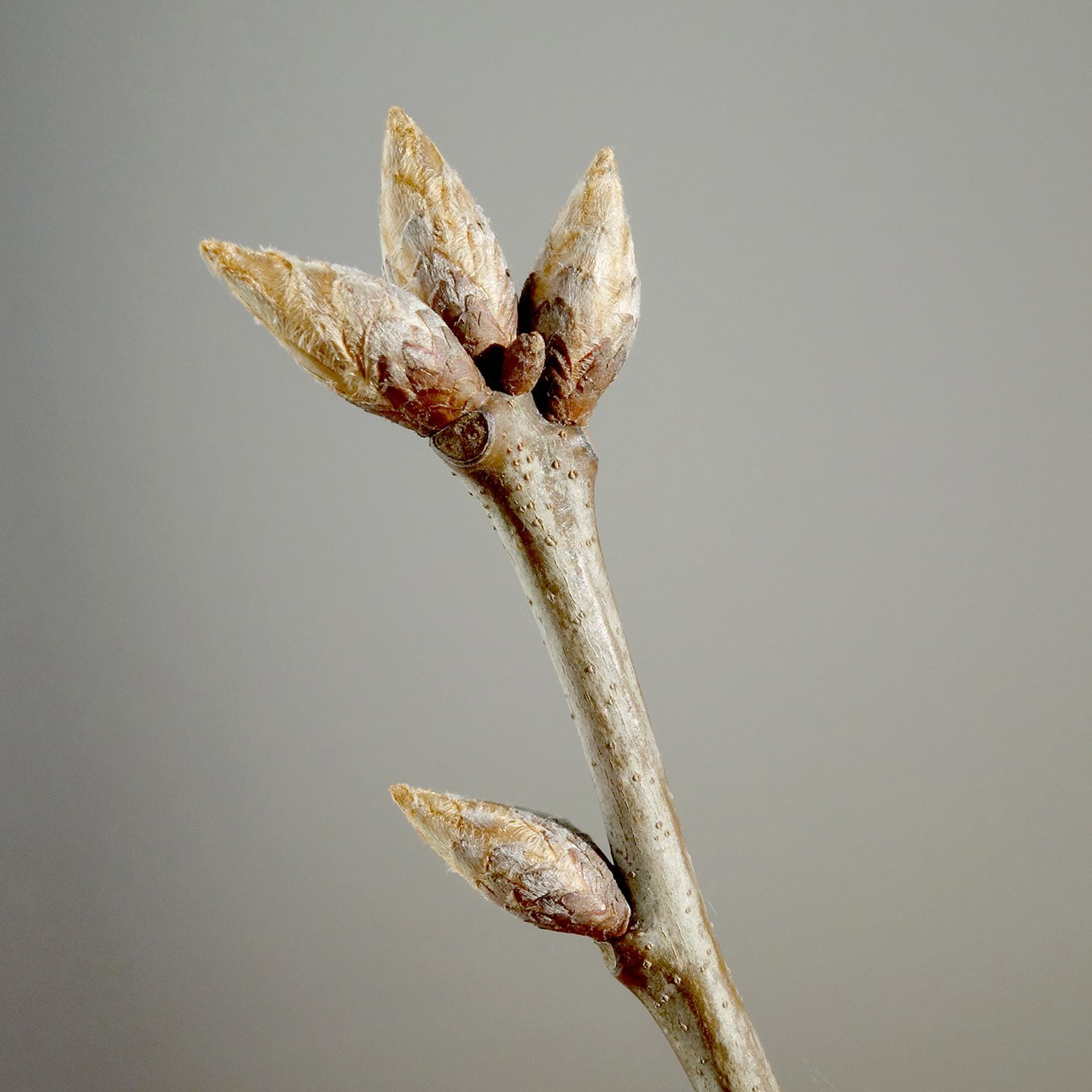
Identify magnolias by their large goblet- or star-shaped flowers, thick simple leaves, cone-like fruit clusters with red seeds, and stout twigs.
Magnolia identified by the community
Real specimens identified with Plant Identifier.