
How to Care for Majesty Palm
Grow a lush Majesty Palm indoors with bright light, steady moisture, and high humidity to keep its feathery fronds full and green.
Read the full Majesty Palm encyclopedia entry →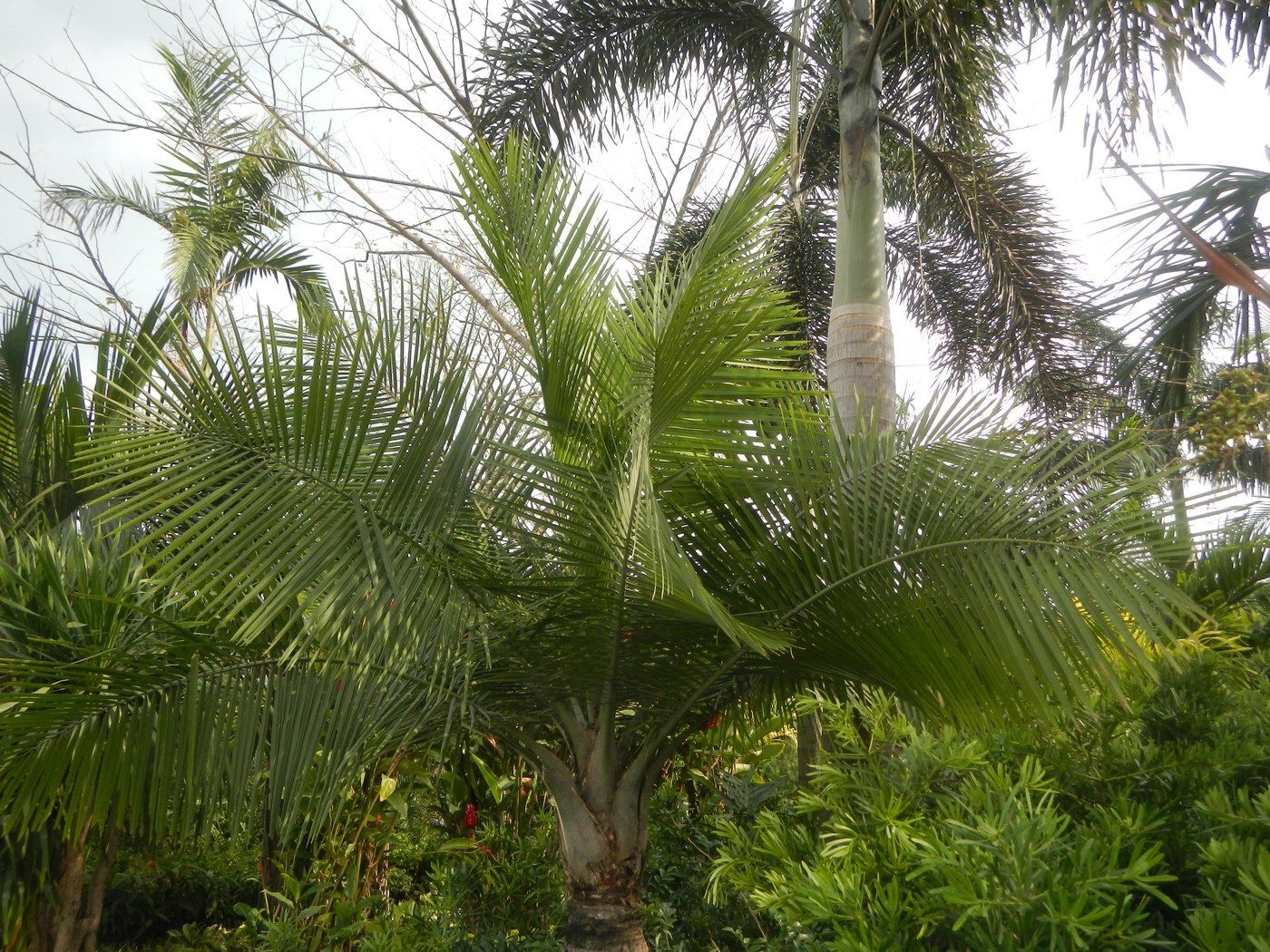
The Majesty Palm (Ravenea rivularis) is a graceful, feather-leaved palm from Madagascar that brings a soft tropical presence to bright interior corners. It grows quickly given the right conditions but is genuinely thirsty and light-hungry, which earns it a moderate difficulty rating.
Light
Give the Majesty Palm bright indirect light with a little gentle direct sun. An east-facing window, or a few feet back from a south or west window, is ideal. Too little light causes weak, stretched growth and pale fronds; harsh midday sun through glass can scorch leaflet tips. Rotate the pot a quarter-turn every week or two so all sides grow evenly toward the light.
Water
Keep the soil consistently moist but never waterlogged. This palm dislikes drying out completely; when the top inch of soil feels dry, water thoroughly until it drains from the bottom, then empty the saucer. In warm, bright conditions it may need watering two or three times a week. Reduce frequency in winter, but do not let the root ball go bone dry. Use room-temperature water and, if your tap water is heavily chlorinated or fluoridated, let it sit overnight or use filtered water to reduce tip browning.
Soil & Potting
Plant in a rich, well-draining potting mix. A blend of quality peat- or coir-based potting soil with added perlite and a little coarse sand holds moisture while allowing excess to escape. Always use a container with drainage holes. A slightly heavy pot helps counterbalance the tall, top-heavy fronds.
Humidity & Temperature
Majesty Palm thrives in humidity of 50% or higher. In dry indoor air the leaflet tips brown quickly, so run a humidifier, group it with other plants, or set it on a pebble tray. Keep temperatures between 65-80F (18-27C) and protect it from cold drafts, heating vents, and air conditioning. It suffers below about 55F (13C).
Feeding
Feed during the active growing season (spring through early autumn) with a balanced liquid fertilizer diluted to half strength every 3-4 weeks, or use a slow-release palm fertilizer. Palms are prone to magnesium and potassium deficiency, which shows as yellowing older fronds, so a fertilizer formulated for palms is helpful. Do not feed in winter.
Propagation
Majesty Palm is difficult to propagate at home. It grows from seed, which is slow and rarely practical for houseplant owners. It does not root from cuttings. Occasionally a nursery pot contains several seedlings clustered together, and these can be carefully divided at repotting, though division stresses the plant and slows growth.
Repotting / Pruning
Repot every two years, or when roots fill the pot, moving up one container size in spring. This palm likes to be somewhat snug, so avoid oversized pots that stay soggy. Pruning is minimal: trim off completely brown or dead fronds at the base, but never cut into green tissue and avoid removing the growing crown. Snipping only the brown tips off otherwise-healthy fronds keeps it tidy.
Common Problems & Pests
Brown leaflet tips are the most common complaint, usually from low humidity, underwatering, or mineral buildup in tap water. Yellowing fronds can signal overwatering, poor drainage, or nutrient deficiency. Watch for spider mites (fine webbing and stippled leaves) in dry air, plus mealybugs and scale. Rinse the fronds periodically and treat infestations with insecticidal soap or a horticultural oil, checking the undersides of leaflets.
Seasonal Care Tips
In spring and summer, expect fast growth and increased water and feeding needs. In autumn, taper feeding and slightly reduce watering as light drops. In winter, keep it in the brightest spot available, maintain humidity against dry heating, and water less often while never letting it dry out fully.
Frequently asked questions
Why are the tips of my Majesty Palm turning brown?
Brown tips usually come from low humidity, letting the soil dry out too much, or mineral buildup from tap water. Raise humidity, keep the soil evenly moist, and switch to filtered or rested water. Trim only the brown portion, leaving a sliver of dead tissue so you do not cut into green leaf.
How often should I water a Majesty Palm?
Keep it consistently moist. Water thoroughly whenever the top inch of soil feels dry, which may be two to three times a week in warm, bright conditions and less in winter. Always empty the saucer so roots never sit in standing water.
Why is my Majesty Palm turning yellow?
Yellowing often means overwatering with poor drainage, or a nutrient deficiency (palms commonly lack magnesium and potassium). Check that the pot drains freely, let the top inch dry between waterings, and feed with a palm fertilizer during the growing season.
Can I grow a Majesty Palm in low light?
Not well. It needs bright indirect light with a little gentle sun to stay full and green. In low light it produces weak, stretched, pale fronds and declines over time, so give it your brightest spot short of harsh midday sun.