
How to Care for Masterwort
Masterwort (Astrantia major) is an easygoing shade perennial with pincushion flowers that loves cool, consistently moist soil.
Read the full Masterwort encyclopedia entry →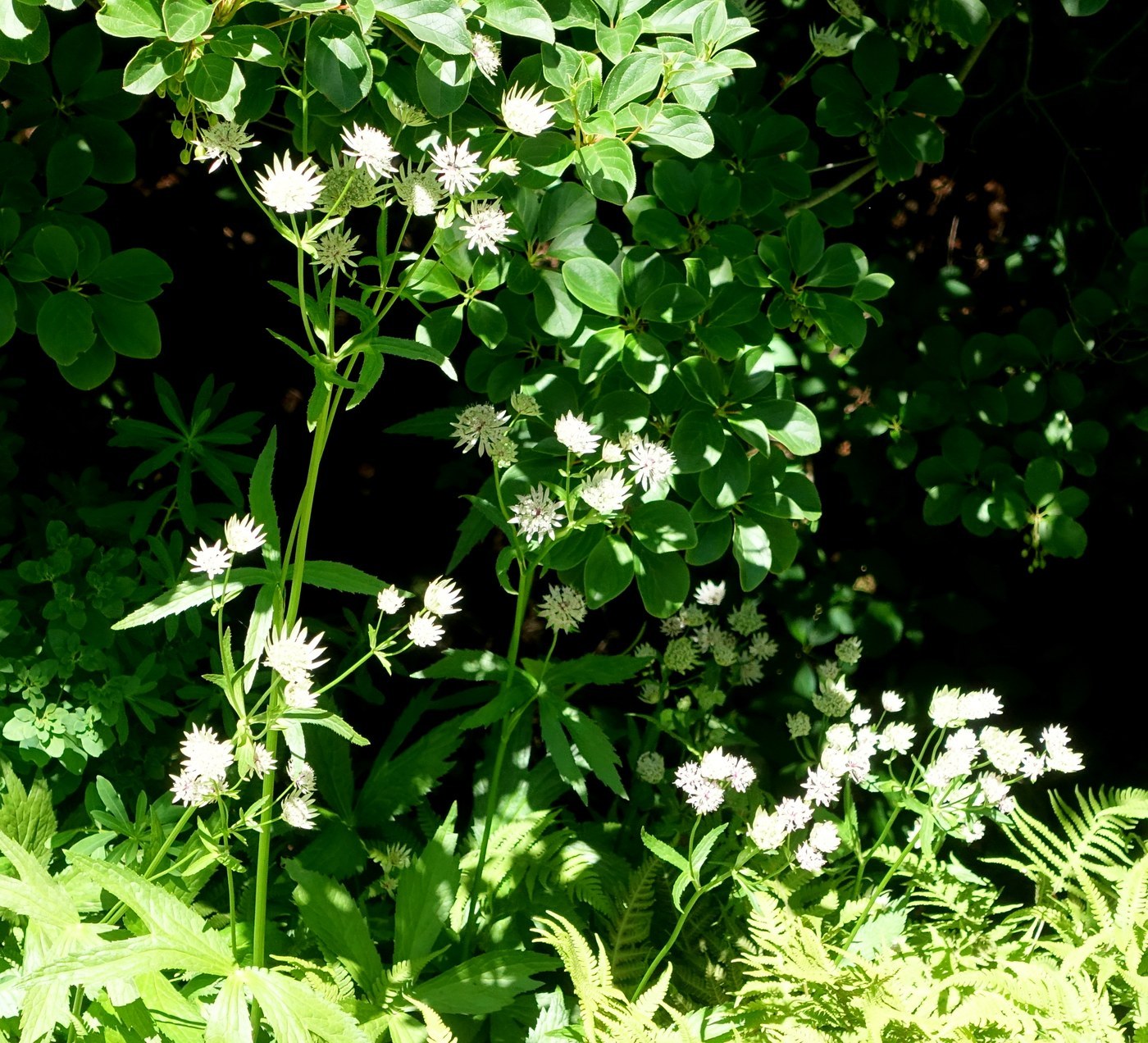
Masterwort, Astrantia major, is a clump-forming cottage-garden perennial prized for its intricate pincushion flowers surrounded by papery, star-shaped bracts in shades of white, pink and deep ruby. It is an easy, dependable plant that thrives in cool, moist, partly shaded borders and woodland-edge plantings.
Light
Masterwort grows best in part shade, especially dappled light or morning sun with afternoon shade. In cool climates it accepts more sun provided the soil stays reliably moist, but in hot regions too much direct sun scorches the foliage and cuts flowering short. Deep shade reduces bloom, so aim for bright, filtered light for the best display.
Water
Keep the soil consistently moist. Masterwort dislikes drying out and will wilt and brown at the leaf edges in dry conditions, so water regularly during warm, dry spells and never let the root zone bake. A steady supply of moisture extends the flowering season and keeps the foliage lush. Good drainage still matters, so the goal is evenly moist rather than waterlogged soil.
Soil & Potting
Plant in humus-rich, fertile soil that holds moisture well. Heavy loams and soils generously amended with compost or leaf mold suit it perfectly, mimicking its natural woodland-margin home. Slightly acidic to neutral soil is ideal. In containers use a moisture-retentive, rich potting mix and be prepared to water often, since pots dry out faster than the ground.
Humidity & Temperature
This is a cool-climate perennial that appreciates temperate conditions and struggles in prolonged heat and humidity. It is very cold-hardy and benefits from a cool root run. Mulching around the crown keeps roots cool and moist through summer. In hot regions, extra shade and moisture are essential to help it cope with high temperatures.
Feeding
Masterwort is not a heavy feeder. Enrich the soil with compost or well-rotted organic matter at planting and top-dress each spring. A single application of a balanced general fertilizer in spring supports strong growth and flowering. Overfeeding is unnecessary; steady soil fertility and moisture matter far more than frequent feeding.
Propagation
Propagate by division or seed. Divide established clumps in early spring or autumn every few years to rejuvenate them and make new plants; this is the most reliable method. Fresh seed can be sown and often benefits from a period of cold stratification, though named cultivars do not come true from seed. Masterwort self-seeds gently in agreeable conditions, giving pleasant surprises through the border.
Repotting / Pruning
Repot or divide container plants every couple of years in spring when the clump becomes congested. Deadhead spent flowers to encourage a second flush of blooms and to limit self-seeding if desired. Cut the whole plant back after flowering or in late autumn to tidy it and prompt fresh basal foliage. Removing tired leaves through the season keeps the clump looking neat.
Common Problems & Pests
Masterwort is largely trouble-free when its moisture needs are met. Its main enemy is drought, which causes wilting and brown, crispy leaf margins. Powdery mildew can appear in dry, stressed conditions or where airflow is poor, so keep soil moist and space plants adequately. Slugs and snails may nibble young spring growth; protect emerging shoots as needed. Otherwise it is a robust, resilient perennial.
Seasonal Care Tips
In spring, divide crowded clumps, top-dress with compost and watch for slugs on new shoots. Through summer, keep the soil moist, mulch to cool the roots and deadhead to prolong the long flowering season. In autumn, cut back spent stems and divide if needed. The plant dies back over winter and reliably returns from its hardy crown, needing little protection in temperate gardens.
Frequently asked questions
Where should I plant masterwort?
Choose a spot in part shade with cool, humus-rich soil that stays consistently moist, such as a woodland edge or a border with morning sun and afternoon shade. This mimics its natural home and gives the best flowering.
Why are my masterwort leaves browning at the edges?
Crispy brown margins usually mean the soil dried out. Masterwort needs steady moisture, so water regularly in warm weather and mulch around the crown to keep the roots cool and damp.
How do I get more flowers?
Deadhead spent blooms to encourage a second flush, keep the soil moist, and give the plant bright dappled light rather than deep shade. Dividing congested clumps every few years also keeps flowering strong.
How do I propagate masterwort?
The most reliable method is dividing established clumps in early spring or autumn. You can also sow fresh seed, which often needs cold stratification, though named varieties will not come true from seed.
Does masterwort come back every year?
Yes, it is a hardy perennial that dies back in winter and returns from its crown each spring. In temperate gardens it needs little winter protection; a light mulch is enough.