How to Care for Meadow Rue
Grow Meadow Rue (Thalictrum aquilegiifolium), an airy woodland perennial with fluffy flowers that thrives in part shade and moist soil.
Read the full Meadow Rue encyclopedia entry →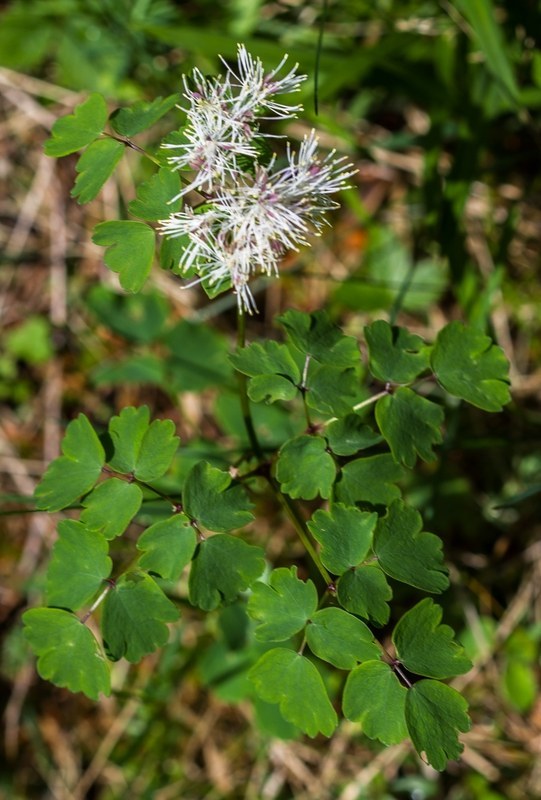
Meadow Rue (Thalictrum aquilegiifolium) is an elegant, upright perennial valued for its delicate columbine-like foliage and airy clusters of fluffy flowers held on tall, slender stems. It brings a soft, woodland-edge grace to shaded borders and needs consistent moisture to look its best.
Light
Meadow Rue does best in part shade, especially dappled light or a spot with morning sun and afternoon shade. It tolerates more sun in cooler climates or where soil stays reliably moist, but hot, dry, full sun scorches the fine foliage. Deep shade reduces flowering.
Water
Keep the soil consistently moist. This plant dislikes drying out and will wilt and brown at the leaf edges if allowed to go dry. Water regularly during dry spells and mulch to retain moisture, while still ensuring the soil drains and never stays waterlogged.
Soil & Potting
Provide humus-rich, moisture-retentive but well-drained soil, ideally slightly acidic to neutral. Work in plenty of compost or leaf mold to hold moisture and feed the roots. In containers, use a rich, water-retentive potting mix and site the pot where it will not bake or dry out quickly.
Humidity & Temperature
Meadow Rue is a hardy perennial that enjoys cool, temperate conditions and appreciates the higher moisture of woodland-type settings. It comes through cold winters well and dies back to the ground, re-emerging in spring. It struggles in hot, arid climates unless kept shaded and moist.
Feeding
Feed moderately. A spring application of compost or a balanced slow-release fertilizer supports the season's growth and flowering. Rich soil amended with organic matter often supplies most of what it needs, so avoid heavy feeding.
Propagation
Propagate by division in early spring, lifting established clumps and separating the crowns, or grow from seed. Seed can be sown when fresh and may benefit from a cold period to germinate. Divisions establish faster and reliably reproduce the parent plant.
Repotting / Pruning
Divide congested clumps every few years in spring to maintain vigor. Little pruning is required; cut back the spent flower stems after blooming if you prefer a tidy look, and remove the dead foliage in late fall or early spring as the plant goes dormant. Tall stems may need light staking in windy spots.
Common Problems & Pests
Meadow Rue is generally trouble-free. The most frequent issue is leaf scorch and browning from soil drying out or too much sun, remedied by more shade and consistent moisture. Slugs and snails may nibble tender spring growth, and powdery mildew can appear in dry, stressed conditions; keeping the plant well watered in the right site prevents most problems.
Seasonal Care Tips
In spring, top-dress with compost and divide if needed as new growth appears. Keep moisture steady through the flowering period in late spring and summer, and mulch to buffer summer heat. Cut back and clean up the foliage as it dies down in autumn, leaving the crown to overwinter.
Frequently asked questions
How much light does Meadow Rue need?
Part shade is ideal, such as dappled light or morning sun with afternoon shade. Hot, dry full sun scorches the delicate foliage.
Why are the leaf edges turning brown?
Usually the soil dried out or the plant is getting too much sun. Keep the soil consistently moist and provide more shade to prevent scorch.
How do I propagate Meadow Rue?
Divide established clumps in early spring, separating the crowns, or sow fresh seed, which often needs a cold period to germinate.
Does Meadow Rue need staking?
Sometimes. The tall, slender flower stems can flop in wind or heavy rain, so light staking helps in exposed sites.
Meadow Rue identified by the community
Recent Meadow Rue specimens identified with Plant Identifier.