
How to Care for Medlar Tree
Grow the ornamental Medlar tree in full sun to part shade with moist, well-drained soil for large white spring blooms and gnarled character.
Read the full Medlar Tree encyclopedia entry →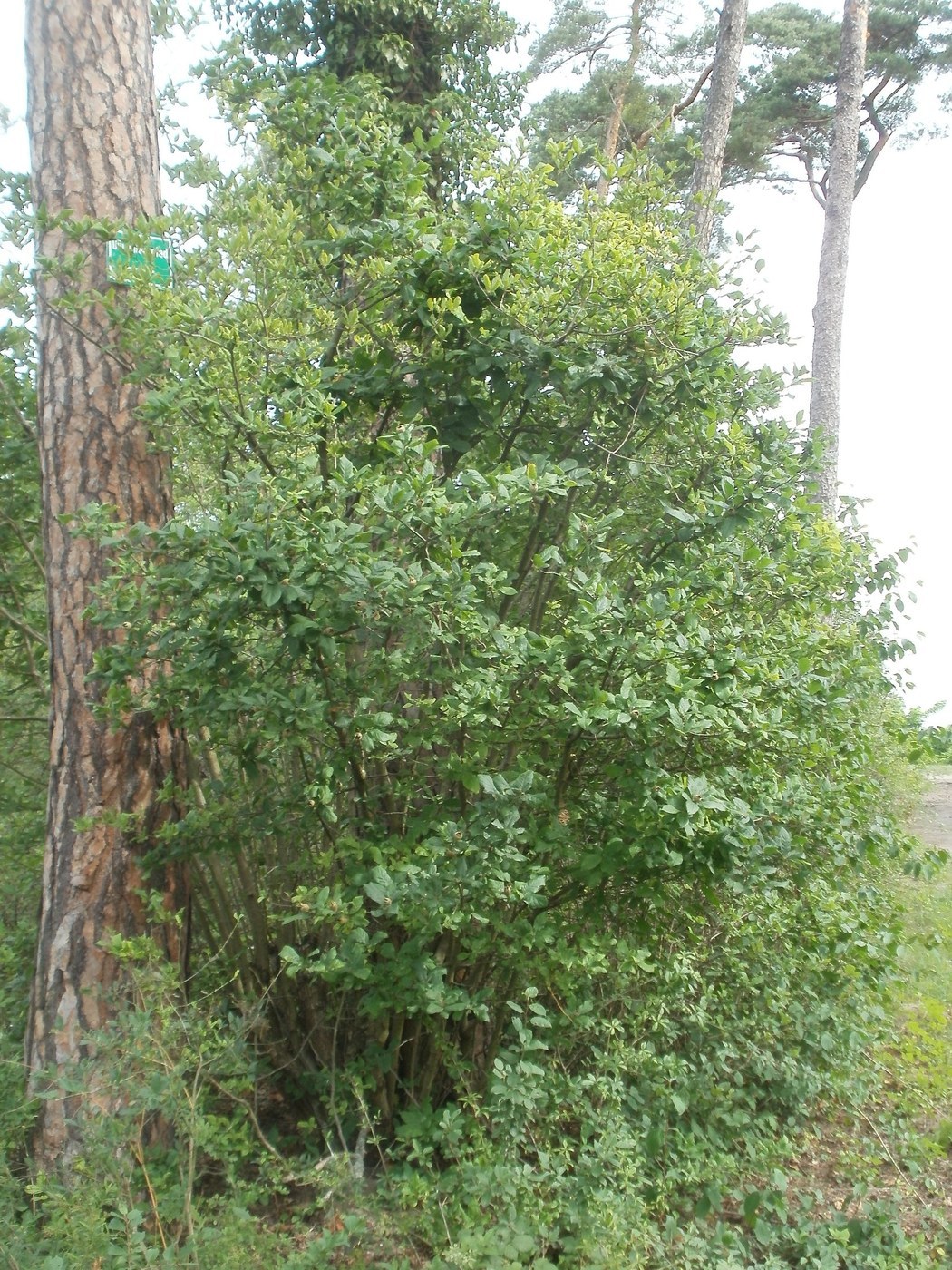
The Medlar (Mespilus germanica) is a small, characterful deciduous tree valued as an ornamental for its large, single white spring blossoms, handsome broad leaves, and picturesque gnarled, spreading form. It is an easy, low-maintenance tree that adapts to a range of conditions once established.
Light
Medlar grows in full sun to partial shade. Full sun gives the fullest flowering and the most compact, well-branched canopy, while it tolerates light dappled shade. A sunny, open position brings out the best ornamental display.
Water
Keep the soil evenly moist, especially while the tree is young and establishing its root system. Water deeply during dry spells for the first few years. Mature trees are moderately drought-tolerant but perform and look best with steady moisture through the growing season.
Soil & Potting
Medlar is adaptable but prefers deep, fertile, moisture-retentive yet well-drained loam. It dislikes waterlogged ground and thin, droughty soils. Work organic matter into the planting hole and mulch the root zone to conserve moisture and suppress competition. It tolerates a range of pH, doing best in neutral to slightly acidic soil.
Humidity & Temperature
A hardy temperate tree, Medlar withstands cold winters well and enjoys regions with a clear seasonal cycle. It handles normal outdoor humidity and is generally tolerant of exposure, though a sheltered site protects the large spring flowers from damaging winds.
Feeding
Feed young trees in early spring with a balanced general fertilizer to support establishment. An annual mulch of well-rotted compost around the root zone usually supplies mature trees. Avoid excessive nitrogen, which promotes soft growth at the expense of flowering.
Propagation
Medlar is usually propagated by grafting or budding onto hawthorn, quince, or pear rootstock, which controls size and speeds establishment. It can be grown from seed, but seed is slow to germinate and seedlings are variable. Cuttings root poorly, so grafting remains the standard method.
Repotting / Pruning
Prune in the dormant season, from late autumn to late winter. Focus on removing dead, damaged, or crossing branches and lightly shaping the naturally spreading, twiggy canopy. Medlars need little formative pruning once established and are grown for their gnarled character, so avoid heavy cutting.
Common Problems & Pests
Medlar is robust and largely trouble-free. Watch for the same fungal issues that affect related pome trees, such as leaf spot and occasional fireblight, which causes blackened shoots; prune out affected wood promptly. Aphids may cluster on new growth. Good airflow and clean-up of fallen debris keep most problems at bay.
Seasonal Care Tips
Plant bare-root trees in the dormant season or container-grown trees in spring or fall. Enjoy the broad white flowers in late spring, keep young trees watered through summer, and prune in winter while dormant. Renew mulch annually and clear fallen leaves to reduce fungal carryover.
Frequently asked questions
How big does a Medlar tree get?
Medlar is a small tree, typically reaching around 3 to 6 meters (10 to 20 feet) with a broad, spreading, often gnarled canopy, making it a good choice for smaller ornamental gardens.
When does a Medlar tree flower?
It produces large, solitary white (sometimes pink-tinged) blossoms in late spring, once the leaves have emerged, giving a lovely display against the broad green foliage.
When should I prune a Medlar tree?
Prune during dormancy, from late autumn through late winter. Remove dead, damaged, or crossing branches and lightly shape it, but avoid heavy pruning since the tree is grown for its picturesque form.
Does a Medlar tree need full sun?
It grows in full sun to partial shade, but full sun produces the most flowers and the most compact, well-branched canopy, so choose the sunniest available spot for the best ornamental effect.