Medlar Tree
Mespilus germanica
The medlar is an ancient, gnarled deciduous tree in the rose family, grown for its large white spring flowers, twisted branches, and distinctive russet-brown fruit with a wide open calyx. Hardy and low-maintenance.
- Light
- Full sun to partial shade
- Water
- Moderate; keep evenly moist when young
- Difficulty
- Easy
Got a plant like this?
Identify any plant from a photo, free.
Overview
The medlar (Mespilus germanica) is a small, gnarled deciduous tree in the rose family, cultivated since antiquity in Europe and Asia. It bears unusual russet-brown fruit marked by a distinctive wide, open calyx at the end.
Medlar trees are hardy, long-lived, and ornamental, with large white spring flowers, attractive twisted branches, and good fall color, making them a charming heritage tree for gardens.
How to identify it
- Fruit: Round, russet-brown, 1–2 in, with a distinctive wide open calyx end giving an 'open' look
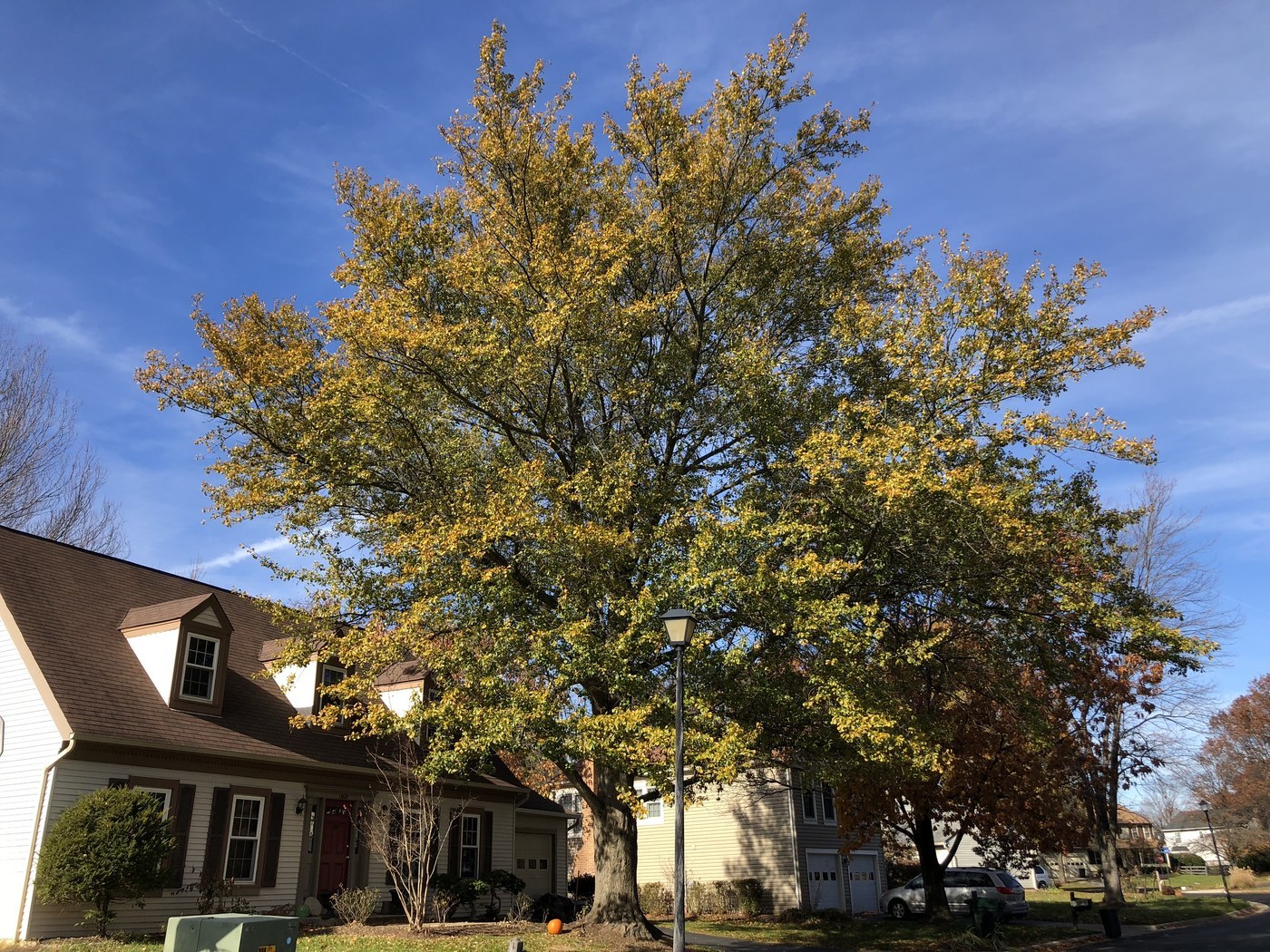
- Leaves: Large, oblong, dull green, slightly hairy, turning yellow-brown in fall
- Flowers: Large, solitary, white (sometimes pink-tinged), five-petaled, in late spring
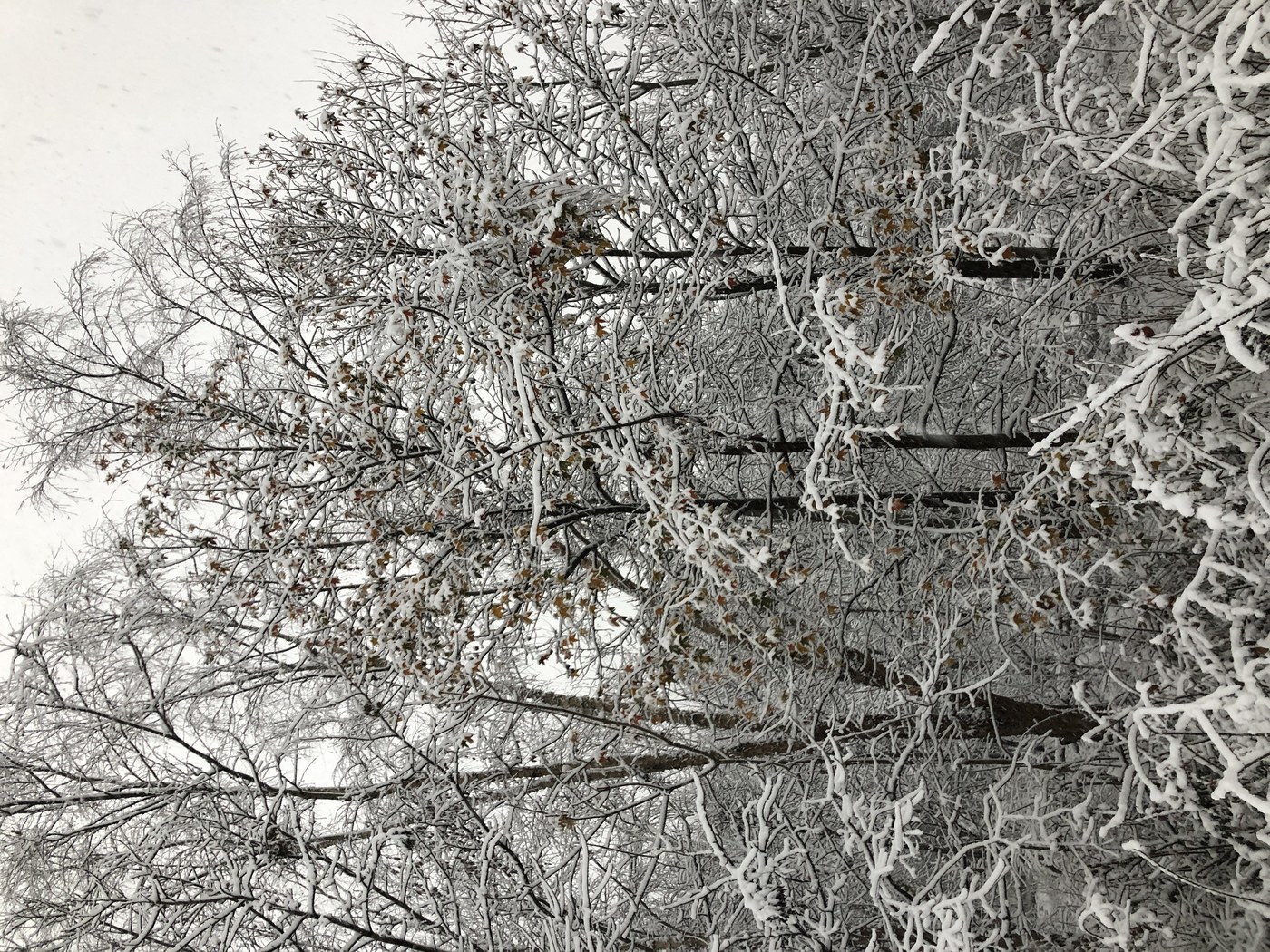
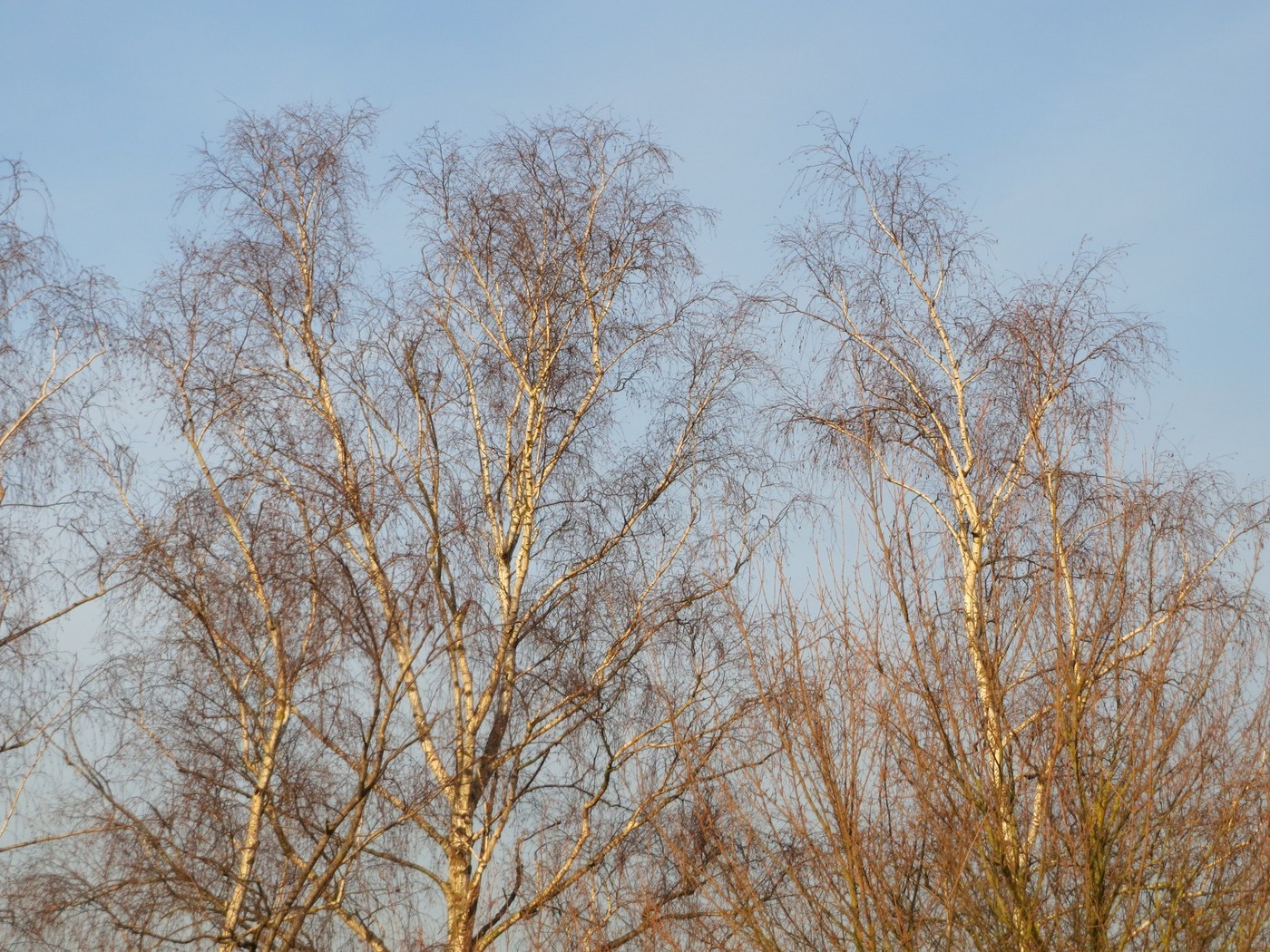
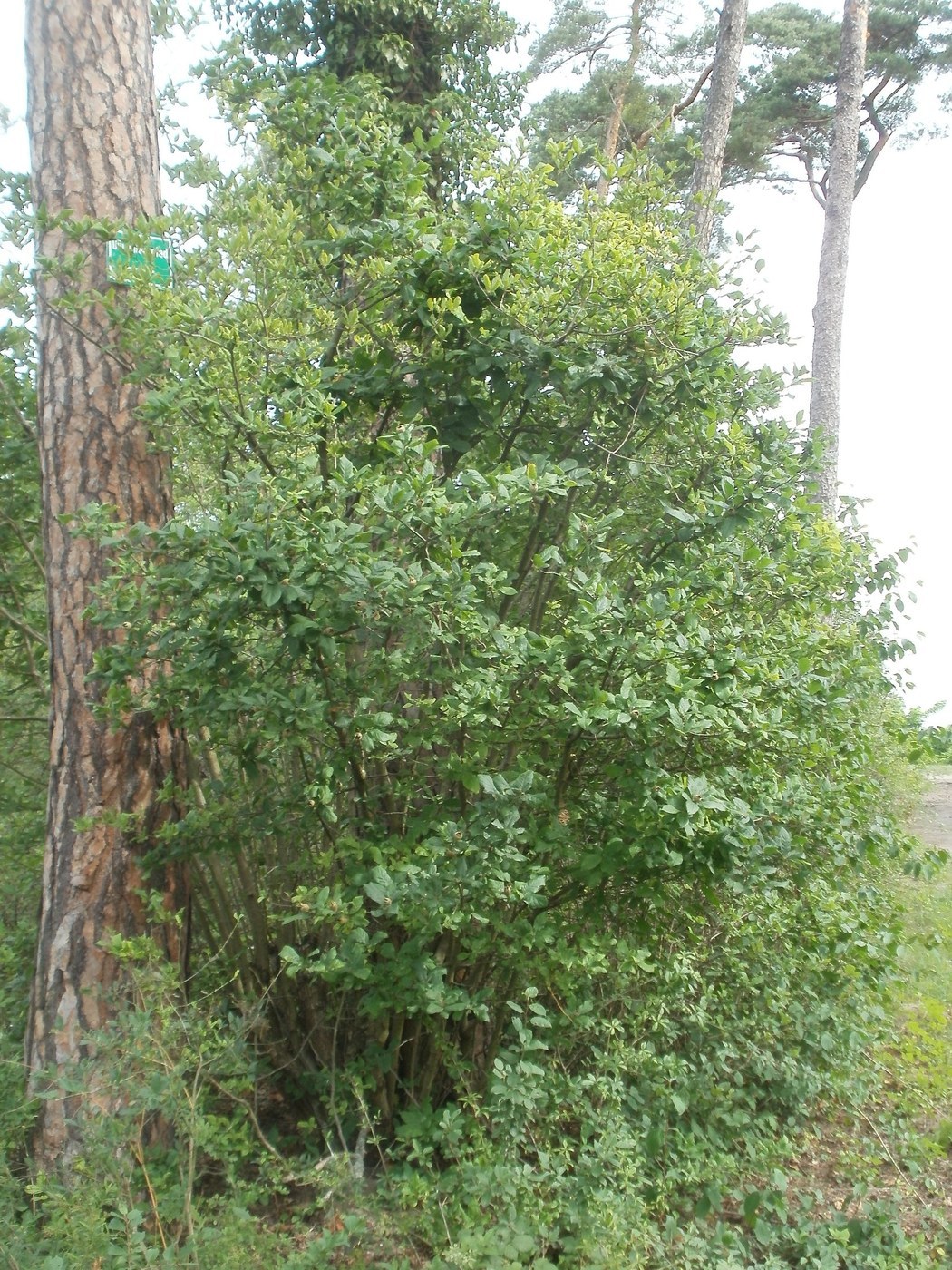
- Habit: Crooked, spreading branches forming a picturesque small tree
- Size: Typically 10–20 ft tall and wide
Care & growing
Light: Full sun for best growth; tolerates light shade.
Water: Moderate; keep young trees evenly moist, while established trees are fairly drought-tolerant.
Soil: Adaptable, prefers well-draining, moderately fertile soil; tolerates a range of pH.
Temperature: Cold-hardy (USDA zones 5–8).
Feeding: Light annual feeding or compost in spring is sufficient.
Propagation: Usually grafted onto hawthorn, quince, or pear rootstock; seeds are slow and variable.
Habitat & origin
The medlar is native to southwestern Asia and southeastern Europe, around the Caspian and Black Sea regions, and has been cultivated and naturalized across Europe for thousands of years.
Once a common medieval orchard and garden tree, it fell out of widespread cultivation but persists in heritage orchards and is enjoying renewed interest among gardeners.
Frequently asked questions
Is the medlar tree hard to grow?
No. It is a hardy, low-maintenance, self-fertile tree that tolerates a range of soils and needs little care beyond occasional pruning.
What does the medlar tree look like?
It is a small, crooked tree 10-20 ft tall with spreading, twisted branches, large oblong leaves that turn yellow-brown in fall, and big solitary white flowers in late spring.
When does the medlar flower?
Large, solitary white, sometimes pink-tinged five-petaled flowers appear in late spring, followed by round russet-brown fruit.
How do you identify medlar fruit?
The fruit is round and russet-brown, 1-2 in across, with a characteristic wide, open calyx end that gives it a hollow, open appearance.
Medlar Tree guides
In-depth guides for identifying, growing, and caring for Medlar Tree.
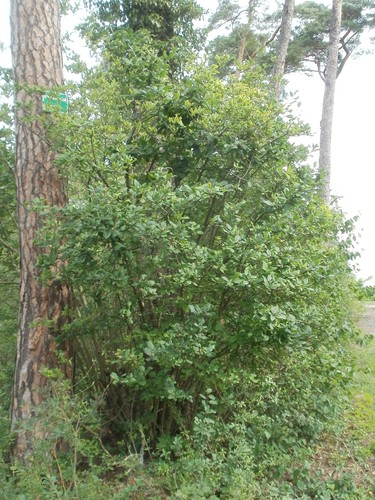
How to Care for Medlar Tree
Grow the ornamental Medlar tree in full sun to part shade with moist, well-drained soil for large white spring blooms and gnarled character.
Medlar Tree Identification Guide
Identifying the medlar by its large solitary white flowers, long downy leaves, and distinctive open-ended brown fruit ringed by persistent sepals.