
How to Care for Meyer Lemon
Grow a fragrant, glossy Meyer Lemon in a pot or garden with abundant light, steady moisture, and regular citrus feeding.
Read the full Meyer Lemon encyclopedia entry →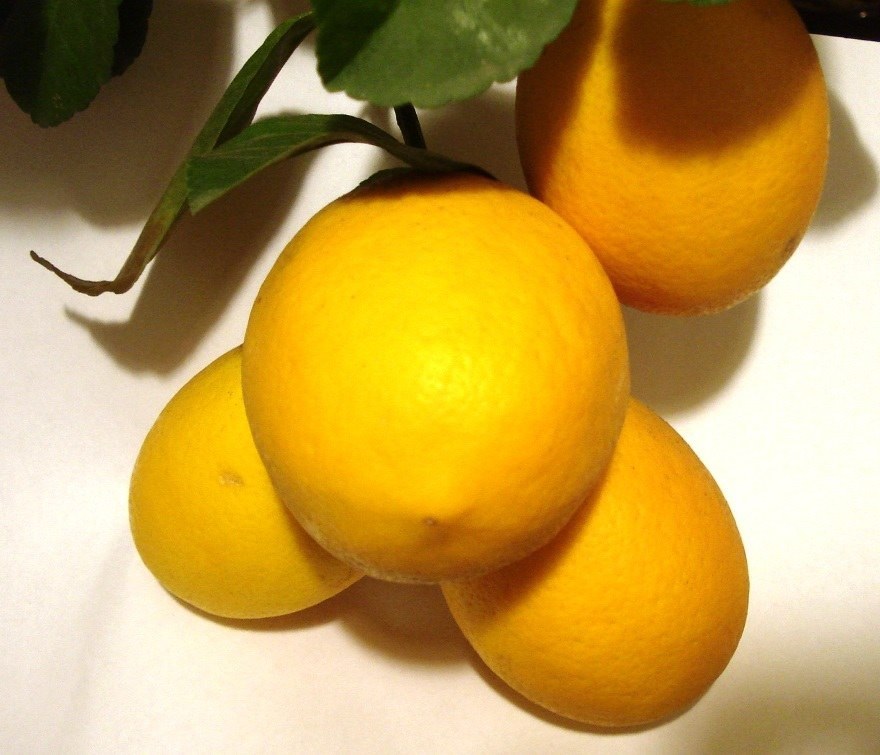
Meyer Lemon (Citrus × meyeri) is a compact, ornamental citrus prized for its glossy evergreen foliage, intensely fragrant white blossoms, and rounded golden fruit. It is a rewarding container and garden plant of moderate difficulty, responsive to good light, feeding, and consistent moisture.
Light
Meyer Lemon needs full sun outdoors and the brightest possible position indoors, ideally a south-facing window or supplemental grow lights, aiming for at least six to eight hours of light. Poor light leads to weak growth, leaf drop, and few flowers.
Water
Water regularly, letting the top inch or so of soil dry slightly between waterings, then soaking thoroughly until water drains freely. Citrus dislike both drought stress and soggy roots; erratic watering causes leaf drop and flower or fruit loss. In containers, check moisture often, especially in warm weather.
Soil & Potting
Use a well-drained, slightly acidic potting mix, ideally one formulated for citrus, and always plant in a pot with drainage holes. Adding some coarse material improves aeration. In the ground, choose a well-drained site and avoid heavy, waterlogged soils.
Humidity & Temperature
Meyer Lemon prefers warm conditions and moderate humidity. It is frost-sensitive, so protect it below near-freezing temperatures; in cold climates grow it in a container and move it indoors for winter. Indoors, keep it away from cold drafts and hot, drying heater vents.
Feeding
Feed regularly during the growing season with a fertilizer formulated for citrus, which supplies extra nitrogen plus micronutrients like iron, magnesium, and manganese. Follow label rates through spring and summer and taper off in winter. Yellowing between leaf veins often signals a micronutrient deficiency to correct with citrus feed.
Propagation
Propagate from semi-hardwood stem cuttings taken in the warmer months and rooted in a moist, well-drained medium, ideally with bottom heat. Grafting onto suitable rootstock is the commercial method. Seed-grown plants are slow and may not come true.
Repotting / Pruning
Repot every couple of years into a slightly larger container with fresh mix, refreshing the top layer in between. Prune in late winter or after fruiting to shape the plant, remove dead or crossing branches, and remove any shoots sprouting from below the graft union.
Common Problems & Pests
Leaf drop from watering swings, cold drafts, or sudden light changes is common, especially after moving the plant indoors. Watch for aphids, spider mites, scale, mealybugs, and their sooty mold. Yellowing leaves often indicate nutrient deficiency or overwatering. Steady conditions and good drainage prevent most trouble.
Seasonal Care Tips
In spring, resume feeding, repot if needed, and move outdoor plants out after frost danger passes, acclimating gradually. Water and feed steadily through summer as it flowers and fruits. In fall, reduce feeding and bring container plants indoors before cold; over winter keep it bright, cooler, and on the dry side.
Frequently asked questions
Why is my Meyer Lemon dropping leaves?
Leaf drop usually follows stress from inconsistent watering, cold drafts, or a sudden change in light, such as moving it indoors. Keep watering steady, provide bright light, and avoid drafts to stabilize it.
How often should I water a potted Meyer Lemon?
Water when the top inch of soil dries slightly, then soak thoroughly until it drains. Avoid both drought and soggy roots; frequency rises in warm weather, so check the soil often.
What fertilizer should I use?
Use a fertilizer formulated for citrus, which provides extra nitrogen and micronutrients like iron and magnesium. Feed through spring and summer at label rates and taper off in winter.
Can I grow Meyer Lemon indoors?
Yes. Give it the brightest window available, ideally south-facing, or add grow lights, keep watering consistent, and protect it from cold drafts and hot air vents. It is frost-sensitive and does well as a movable container plant.