Meyer Lemon
Citrus × meyeri
A compact, productive citrus tree thought to be a cross between a lemon and a mandarin or orange, with thin, fragrant skin and rounder fruit than a standard lemon.
- Light
- Full sun; bright light indoors
- Water
- Regular; let topsoil dry slightly between waterings
- Difficulty
- Moderate
Got a plant like this?
Identify any plant from a photo, free.
Overview
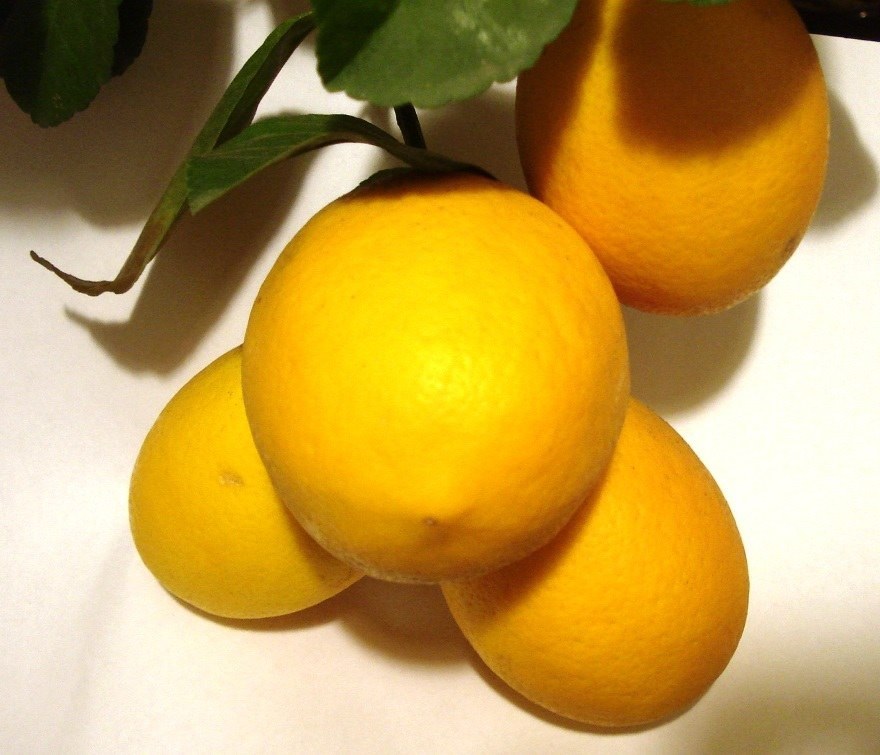
The Meyer lemon is a hybrid citrus, believed to be a cross between a true lemon and a mandarin or sweet orange. It produces rounder, deeper-yellow-to-orange fruit than common lemons.
Its compact size, heavy fruiting, and tolerance of container culture make it one of the most popular citrus trees for home gardeners, including those who grow it indoors or in cold-winter regions where it is moved inside.
How to identify it
Identifying features:
- Size & habit: Compact, bushy evergreen tree, typically 1.8-3 m, often nearly thornless
- Leaves: Glossy, dark green, oval, aromatic when crushed
- Flowers: White, purple-tinged at the base, intensely fragrant, often blooming repeatedly
- Fruit: Round, smaller than a regular lemon, with smooth thin skin ripening from yellow to a slight orange tint
- Overall: More rounded fruit and smoother rind than a true lemon
Care & growing
Light: At least 6-8 hours of sun outdoors, or a very bright south-facing window (or grow light) indoors.
Water: Water when the top few centimeters of soil dry; keep evenly moist but never soggy. Container plants need good drainage.
Soil: Well-drained, slightly acidic soil (pH 5.5-6.5); use a citrus or cactus mix in pots.
Temperature: Hardy to about -3 to -4°C; best in USDA zones 8-11 or grown in containers and overwintered indoors.
Feeding: Feed with a citrus fertilizer during the growing season to prevent nutrient deficiencies.
Propagation: Usually grafted or grown from cuttings to keep the fruit true to type.
Habitat & origin
The Meyer lemon was introduced to the United States from China in 1908 by agricultural explorer Frank Meyer, who found it grown as an ornamental dooryard plant. Its parentage traces to citrus species of Asia.
A virus-free 'Improved Meyer' selection is now the standard. It is widely grown in California, Texas, and Florida, and in containers in cooler climates worldwide.
Frequently asked questions
How is a Meyer lemon different from a regular lemon?
It is a hybrid with rounder fruit, thinner, smoother skin, and a more floral aroma than true lemons like Eureka or Lisbon.
Can I grow a Meyer lemon indoors?
Yes. It is one of the most container- and indoor-friendly citrus, needing very bright light, good drainage, and steady feeding.
Why are my Meyer lemon leaves turning yellow?
Common causes are overwatering, poor drainage, or nutrient deficiency. Check drainage and apply a citrus fertilizer with micronutrients.
How long until a Meyer lemon tree fruits?
Grafted trees often fruit within 1-2 years, and it tends to flower and fruit more than once per year.
Meyer Lemon guides
In-depth guides for identifying, growing, and caring for Meyer Lemon.
How to Care for Meyer Lemon
Grow a fragrant, glossy Meyer Lemon in a pot or garden with abundant light, steady moisture, and regular citrus feeding.
Meyer Lemon Identification Guide
Identify the Meyer lemon (Citrus x meyeri) by its compact form, dark glossy leaves, purple-tinged fragrant blossoms, and round, thin-skinned deep-yellow-orange fruit.