How to Care for Million Bells
Keep Million Bells (Calibrachoa) blooming all season: full sun, steady moisture, regular feeding, and simple pinching for nonstop color.
Read the full Million Bells encyclopedia entry →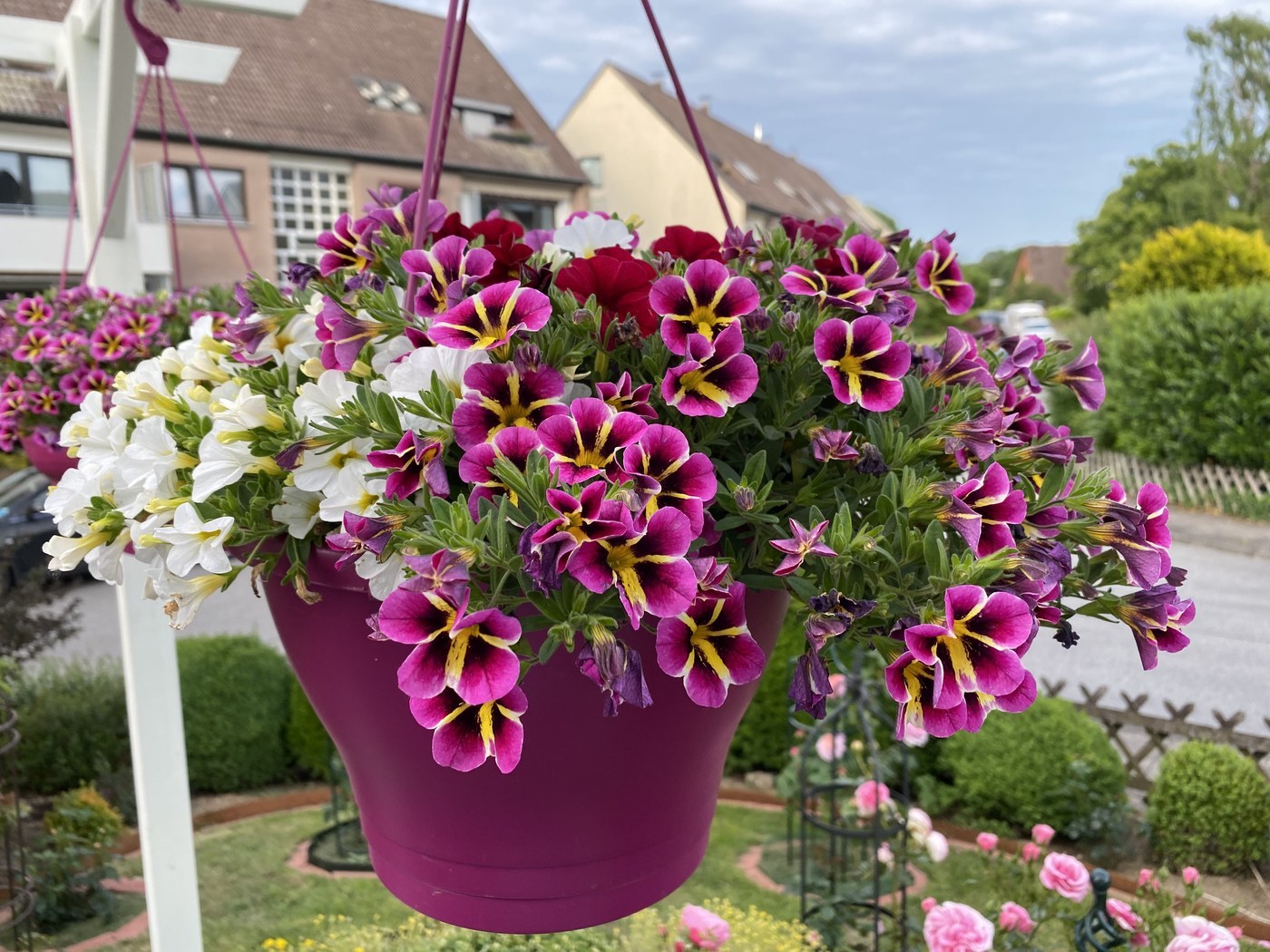
Million Bells (Calibrachoa parviflora) is a wildly floriferous trailing annual that smothers itself in small, petunia-like blooms from spring through frost. It is an easy, rewarding choice for hanging baskets, window boxes, and container edges, asking mainly for sun, steady moisture, and regular feeding to keep the show going.
Light
Grow Million Bells in full sun, at least six hours of direct light per day. Abundant sun is the single biggest driver of heavy flowering. In too much shade the plants grow leggy and bloom sparsely. In very hot climates a little afternoon relief is fine, but generally the more sun, the more flowers.
Water
Million Bells like regular, even watering and should not be allowed to dry out completely, as they wilt and drop buds when parched. In containers and baskets they can dry quickly in heat and may need daily watering at the peak of summer. That said, they resent soggy roots, so water thoroughly, let the surface dry slightly, and ensure excellent drainage. Aim for consistently moist but never waterlogged soil.
Soil & Potting
Use a light, rich, well-draining potting mix, ideally one slightly acidic. Good drainage is essential to prevent root rot in these thirsty but rot-prone plants. In containers, a quality peat- or coir-based mix with added perlite works well. Alkaline soils and water can cause yellowing, so slightly acidic conditions keep foliage green and vigorous.
Humidity & Temperature
Million Bells thrive in warm-season conditions and bloom best in mild to warm temperatures. They tolerate heat well with adequate water and shrug off summer humidity. They are frost-tender and are grown as annuals in cold climates, planted out only after the danger of frost has passed.
Feeding
These are heavy feeders that need consistent fertilizing to sustain their nonstop bloom. Feed container plants every week or two with a balanced, water-soluble bloom fertilizer, or incorporate slow-release granules at planting. Pale, yellowing leaves often signal hunger or an iron deficiency from alkaline conditions; an acidic or iron-supplemented feed helps green them up.
Propagation
Modern Calibrachoa are usually propagated from stem cuttings rather than seed, since most are patented hybrids. Take short tip cuttings from healthy stems, strip the lower leaves, and root them in moist, airy mix under bright, warm, humid conditions. Most gardeners simply buy fresh nursery plants each spring.
Repotting / Pruning
Million Bells are largely self-cleaning and do not require deadheading. If plants grow leggy or bloom slows by midsummer, shear them back by about a third to rejuvenate lush, flowering growth within a couple of weeks. Refresh containers with fresh mix and fertilizer if reusing them, and pinch young plants once to encourage branching.
Common Problems & Pests
Root rot from overly wet, poorly drained soil is the main killer, so balance moisture with drainage carefully. Yellowing leaves usually indicate iron chlorosis from alkaline water or nutrient shortage. Aphids and occasionally whiteflies or thrips may appear; rinse them off or treat with insecticidal soap. Poor blooming almost always traces back to too little sun or too little fertilizer.
Seasonal Care Tips
Plant out after the last frost into sunny containers. Through spring and summer, water consistently and feed regularly to fuel continuous bloom, shearing back midseason if needed. As fall arrives, plants decline with cooler weather and are removed after the first frost in cold climates. Start fresh with new plants the following spring.
Frequently asked questions
Why has my Million Bells stopped blooming?
The two usual culprits are not enough sun or not enough food. Million Bells need full sun and are heavy feeders, so give at least six hours of direct light and fertilize every week or two. Shearing leggy plants back by a third also restarts heavy flowering.
Do I need to deadhead Million Bells?
No. Million Bells are self-cleaning and drop their spent blooms on their own, so no deadheading is needed. A midseason haircut is all that is required if plants get leggy or bloom slows.
Why are the leaves on my Million Bells turning yellow?
Yellowing often signals iron chlorosis from alkaline soil or water, or a general lack of fertilizer. Use a slightly acidic, iron-containing bloom fertilizer and ensure the mix drains well, since soggy roots also cause yellowing.
How often should I water Million Bells in a hanging basket?
Baskets dry out fast, so check daily in summer heat. Keep the soil consistently moist but never waterlogged, watering thoroughly whenever the surface begins to dry. Never let the plant wilt from drought, as it will drop buds.
Million Bells identified by the community
Recent Million Bells specimens identified with Plant Identifier.