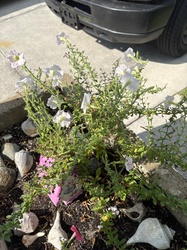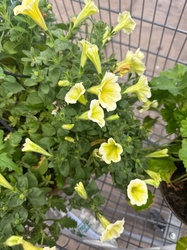
Million Bells
Calibrachoa parviflora
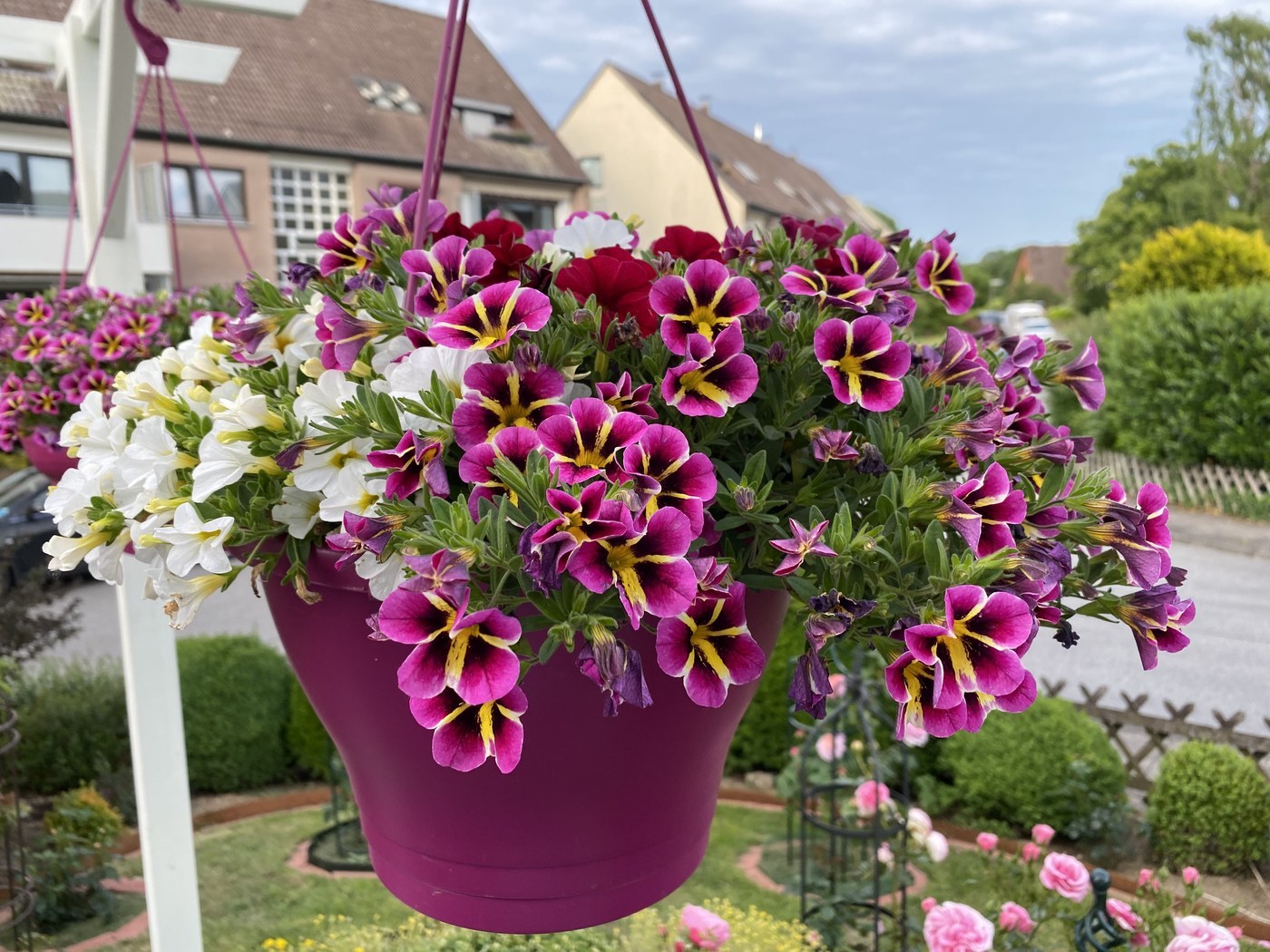
A trailing relative of the petunia, million bells smothers itself in small bell-shaped flowers all season and needs no deadheading.
- Light
- Full sun
- Water
- Regular; do not let dry out fully
- Difficulty
- Easy
Got a plant like this?
Identify any plant from a photo, free.
Overview
Million bells, known botanically as Calibrachoa, looks like a miniature petunia but is its own genus. It produces masses of small, bell- or trumpet-shaped blooms on cascading stems, making it a top choice for hanging baskets and container edges.
Unlike petunias, it is self-cleaning, dropping spent flowers without messy deadheading, and it blooms continuously from spring until frost in a huge range of colors including bright bicolors and unusual shades.
How to identify it
- Habit: Trailing and mounding, stems to 12+ in long
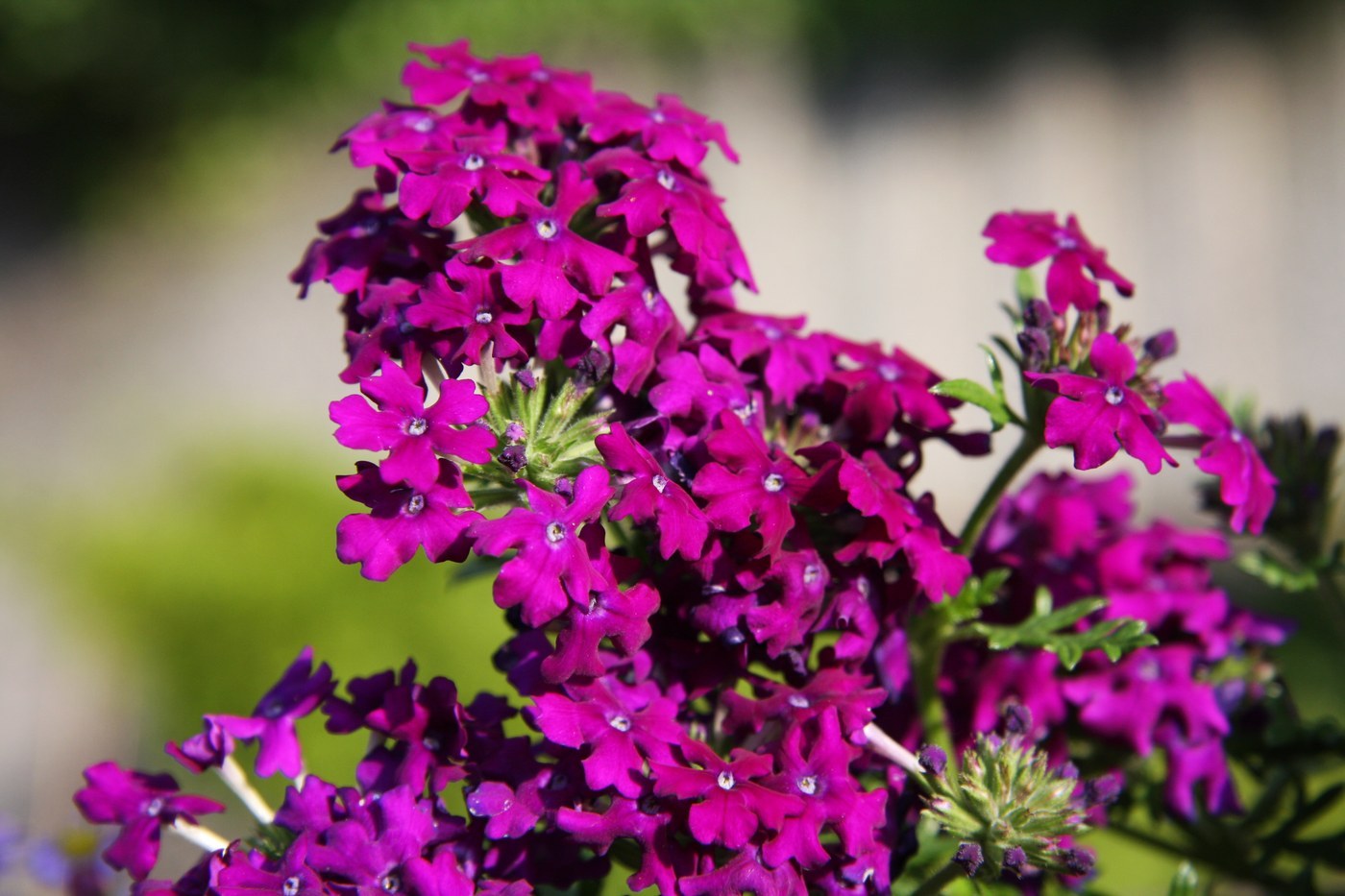
- Flowers: Small (about 1 in), bell- or petunia-shaped, in profusion
- Leaves: Small, narrow, slightly sticky, green
- Colors: Nearly all colors plus patterns, stripes, and dark-throated bicolors
- Bloom time: Spring through frost, no deadheading needed
Care & growing
Light: Full sun for heaviest flowering; tolerates light shade.
Water: Keep consistently moist but never waterlogged; containers can dry quickly in heat.
Soil: Rich, well-drained, slightly acidic potting mix.
Temperature: Performs in warm conditions but also tolerates cool spring weather.
Feeding: A heavy feeder; use regular liquid fertilizer. Yellowing leaves often signal iron deficiency in alkaline conditions.
Propagation: Grown from cuttings; most named varieties are patented and cannot be propagated commercially.
Habitat & origin
The genus Calibrachoa is native to South America, particularly Brazil, Peru, Chile, and surrounding regions, where wild species grow in open, sunny habitats.
Modern garden million bells are hybrids grown worldwide as annual container and basket plants, though they can behave as tender perennials in frost-free climates.
Frequently asked questions
What is the difference between million bells and petunias?
Million bells (Calibrachoa) have smaller flowers, are self-cleaning (no deadheading), and are a separate but related genus. They are generally more heat- and rain-tolerant than petunias.
Why are my million bells leaves turning yellow?
Usually an iron or nutrient deficiency, common when the mix is too alkaline or feeding is too light. Use a fertilizer for acid-loving plants and feed regularly.
Do I need to deadhead million bells?
No. They are self-cleaning and bloom continuously without deadheading.
Does it prefer sun or shade?
Million bells flower most heavily in full sun, though they tolerate light shade with somewhat reduced bloom.
Million Bells guides
In-depth guides for identifying, growing, and caring for Million Bells.
How to Care for Million Bells
Keep Million Bells (Calibrachoa) blooming all season: full sun, steady moisture, regular feeding, and simple pinching for nonstop color.
Million Bells Identification Guide
Recognize Million Bells (Calibrachoa) by its trailing stems smothered in small petunia-like trumpet flowers and tiny sticky leaves.
Million Bells identified by the community
Real specimens identified with Plant Identifier.